Last Updated: October 13, 2026
Last Updated: October 13, 2026





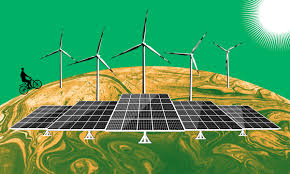
The global energy landscape is undergoing a transformation, driven by the urgent need to address climate change, reduce fossil fuel dependence, and ensure sustainable energy for future generations. Renewable energy sources such as solar, wind, hydro, and biomass are playing a pivotal role in reshaping how societies produce and consume power.
Solar energy, harnessed from sunlight, is among the most accessible renewable sources. Photovoltaic panels convert sunlight into electricity, powering homes, businesses, and even industrial facilities. Technological advances have made solar panels more efficient, durable, and affordable, enabling widespread adoption. Large-scale solar farms complement rooftop installations, supplying power to national grids and reducing reliance on coal and natural gas.Wind energy is another significant contributor to renewable power.
Wind turbines convert kinetic energy from wind into electricity. Offshore and onshore wind farms provide substantial energy outputs, particularly in regions with strong and consistent wind patterns. Modern turbines are designed to minimize noise, optimize performance, and integrate with local ecosystems, making wind energy both efficient and environmentally conscious. Hydropower, generated by moving water, remains one of the oldest and most reliable renewable energy sources. Dams and river-based systems produce consistent electricity while offering additional benefits such as water management and irrigation. Small-scale hydroelectric projects are also gaining attention for localized energy production, particularly in rural or remote communities.
Biomass energy involves using organic materials such as crop residues, wood, and waste to produce electricity, heat, or biofuels. It offers a dual benefit: managing waste and generating power. Advances in biomass processing technology improve efficiency and reduce emissions, making it a viable renewable option.The transition to renewable energy is not just about technology; it also involves policy, infrastructure, and societal acceptance. Governments worldwide are providing incentives such as tax breaks, grants, and feed-in tariffs to encourage renewable energy adoption. Investments in smart grids, energy storage systems, and hybrid solutions ensure a stable and reliable supply even when natural conditions fluctuate.
Good Evening Viewers! Stay updated with The Savera Times Evening Bulletin for the latest news from Punjab, India...

eader of the Opposition in the Lok Sabha, Rahul Gandhi and 10 other INDIA bloc leaders have moved...

Amidst protests in central Delhi, the Delhi Metro Rail Corporation (DMRC) announced the reopening of entry and exit...

The Delhi Police has registered an FIR regarding the alleged disturbance at the Bangla Sahib Gurdwara in...
The Delhi Police on Monday removed Jantar Mantar from the list of officially designated protest sites. The police...

The Supreme Court on Monday clarified that it has not passed any judgment on the Election Commission's (ECI)...

Aries: The day will be auspicious...