Last Updated: October 13, 2026
Last Updated: October 13, 2026





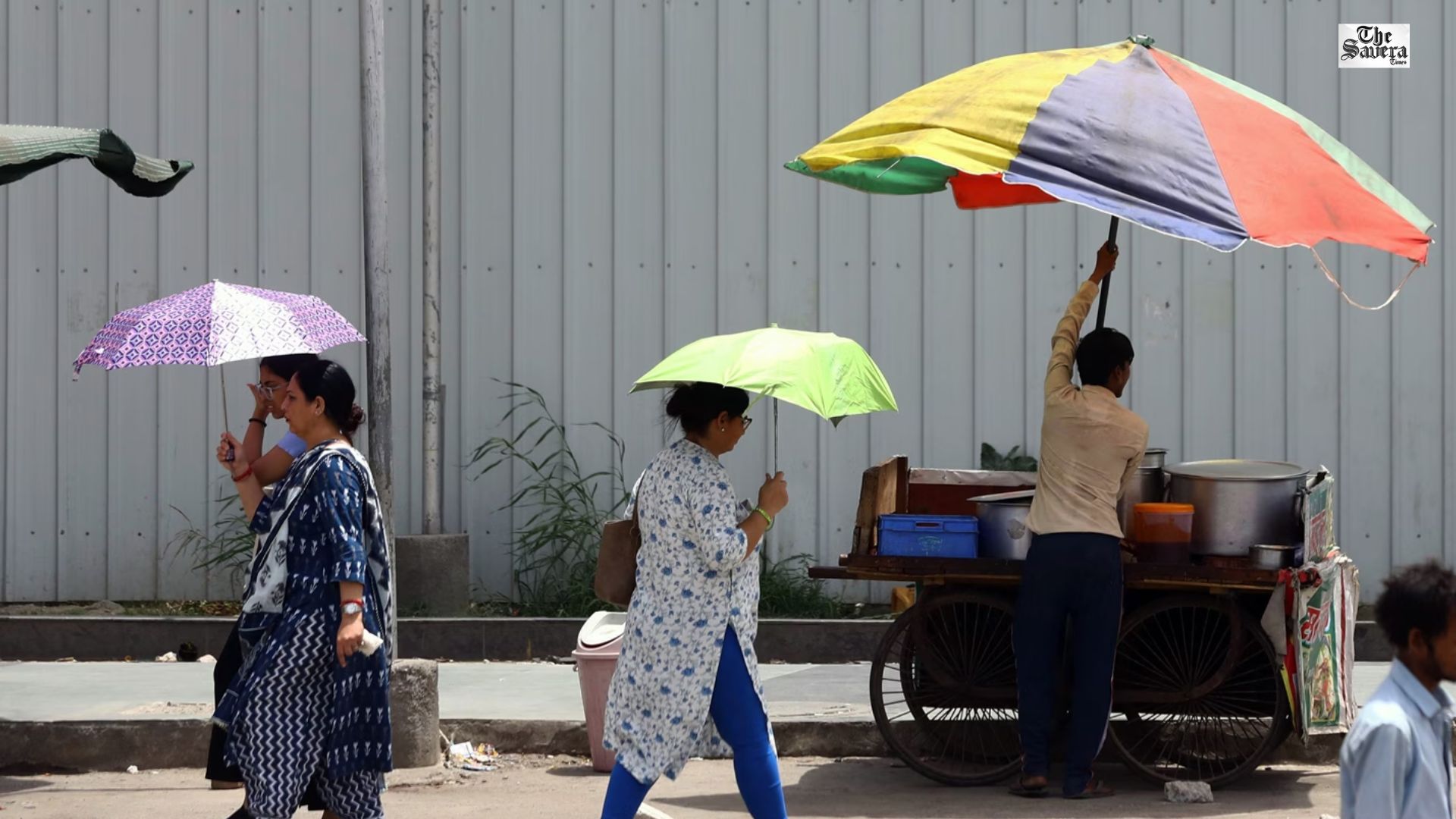
Climate-driven temperature changes are on track to cause about 430,000 more deaths annually by 2050, with 10 times more deaths occurring in poor countries than in richer countries. How many of those lives can be saved largely depends on access to energy, particularly the electricity needed for cooling. Yet, a new Climate Impact Lab report found that many of the regions most impacted by extreme heat will also lack the resources to power the cooling needed to adapt. Air conditioning is a life saver, and climate change will no doubt lead to more AC adoption in today’s wealthy countries. Our research finds, however, that in too many countries around the world people will not be able to respond in the same way. The result is one of climate’s great cruelties — lots of death in the very countries that have contributed the least to climate change. These findings are a clarion bell that many countries do not have much time to improve the functioning of their electricity markets so they deliver inexpensive and reliable energy and identify other successful adaptations that can save lives. Today only the world’s richest have the resources needed to power cooling. As the world warms, many middle-income countries will see their economies grow enough and their energy markets mature enough to support greater consumption of electricity and access to cooling. Electricity used for cooling is projected to grow seven times more in middle-income than in lowincome countries due to climate change. In fact, the growth of electricity use per person due to a warming climate in low-income countries is projected to be so small it would only be enough to power a single LED bulb for four months. The same poor countries projected to see so little increase in electricity also tend to be hotter than other countries. The report identifies areas in 18 countries — home to 676 million people — that are trapped in this deadly combination of extreme heat and lack of cooling. Due to hotter temperatures and little projected increase in energy consumption, around 3,77,000 people in these areas are set to die annually by 2050. All of these people live in either lowincome or lower middle-income countries today, mostly in northern sub-Saharan Africa such as Niger, Mali, Burkina Faso and Chad
The storm that the Jantar-G-G stirred with young people at Jantar Mantar, the designated protest site in India's...

For generations, India's lighthouses were places people saw from a distance. Standing at the edge of the sea,...

Cancer is believed to be the most deadly disease in India, with its expensive treatment. A family affected...
Kashmir’s handicraft industry is on a path to revival after the turbulent years of militancy and the Covid-19...
While western countries continue to focus on India’s coal-fired power plants in the debate on climate change, what...
Good Evening Viewers! Stay updated with The Savera Times Evening Bulletin for the latest news from Punjab, India...

Aries: The day will be auspicious...