Last Updated: October 20, 2026
Last Updated: October 20, 2026





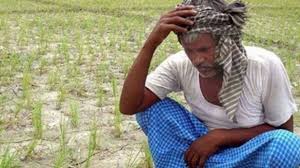
The unusually warm winter in Kashmir is also worrying agricultural scientists, who say the shift could have far-reaching consequences for farming in the Valley.
Sameera Qayoom, professor and head of the Division of Agrometeorology at Sher-e-Kashmir University of Agricultural Sciences and Technology (SKUAST) Kashmir, says the region’s agriculture depends heavily on winter snowfall in surrounding mountains. Snow accumulated during winter gradually melts in spring, feeding rivers such as the Jhelum and sustaining irrigation during the growing season.
“When winters are warmer and snowfall is reduced, it disrupts this entire system,” she says. “Less snow means less water available for irrigation in spring, streams begin to dry earlier and crops can experience water stress during critical growth stages.”
The implications are particularly serious for Kashmir’s horticulture sector, which forms the backbone of the rural economy. Fruit crops such as apples, cherries and walnuts require a certain number of chilling hours during winter dormancy.“When winters are unusually warm, the chilling requirement may not be fulfilled,” Qayoom explains. “This can lead to delayed or uneven flowering, poor fruit set and ultimately lower yields and fruit quality.”
Warmer winters can also allow pests and pathogens that would normally be killed by cold temperatures to survive and multiply. “This can lead to early outbreaks of aphids and mites, as well as increased fungal diseases in orchards,” she says, adding that farmers may be forced to use more pesticides.
Field crops such as wheat and mustard are also vulnerable. Higher temperatures can trigger early germination and accelerate plant development, shortening the grain-filling stage and reducing yields. There is also the risk of frost damage.
Good Evening Viewers! Catch up on the day's biggest stories with The Savera Times Evening Bulletin. Get the...

Congress leaders continued their protest outside the Jaipur Police Commissionerate on Tuesday, demanding the registration of a zero...

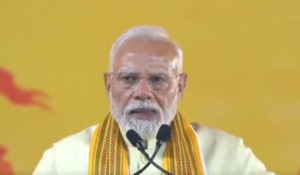
On the auspicious occasion of Vijayadashami, Prime Minister Narendra Modi on Tuesday called on the countrymen to unite...
A historic milestone was achieved on Tuesday in the expansion of Chhattisgarh's rail networkA historic milestone was achieved...

Model Shraddha Dubey, one of the main accused in the death of Lucknow businessman Shiv Sharma, has been...

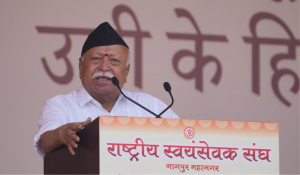
Rashtriya Swayamsevak Sangh (RSS) chief Mohan Bhagwat on Tuesday called for strengthening national unity, social harmony, indigenous practices...
Aries: The day will be auspicious...