Last Updated: October 23, 2026
Last Updated: October 23, 2026





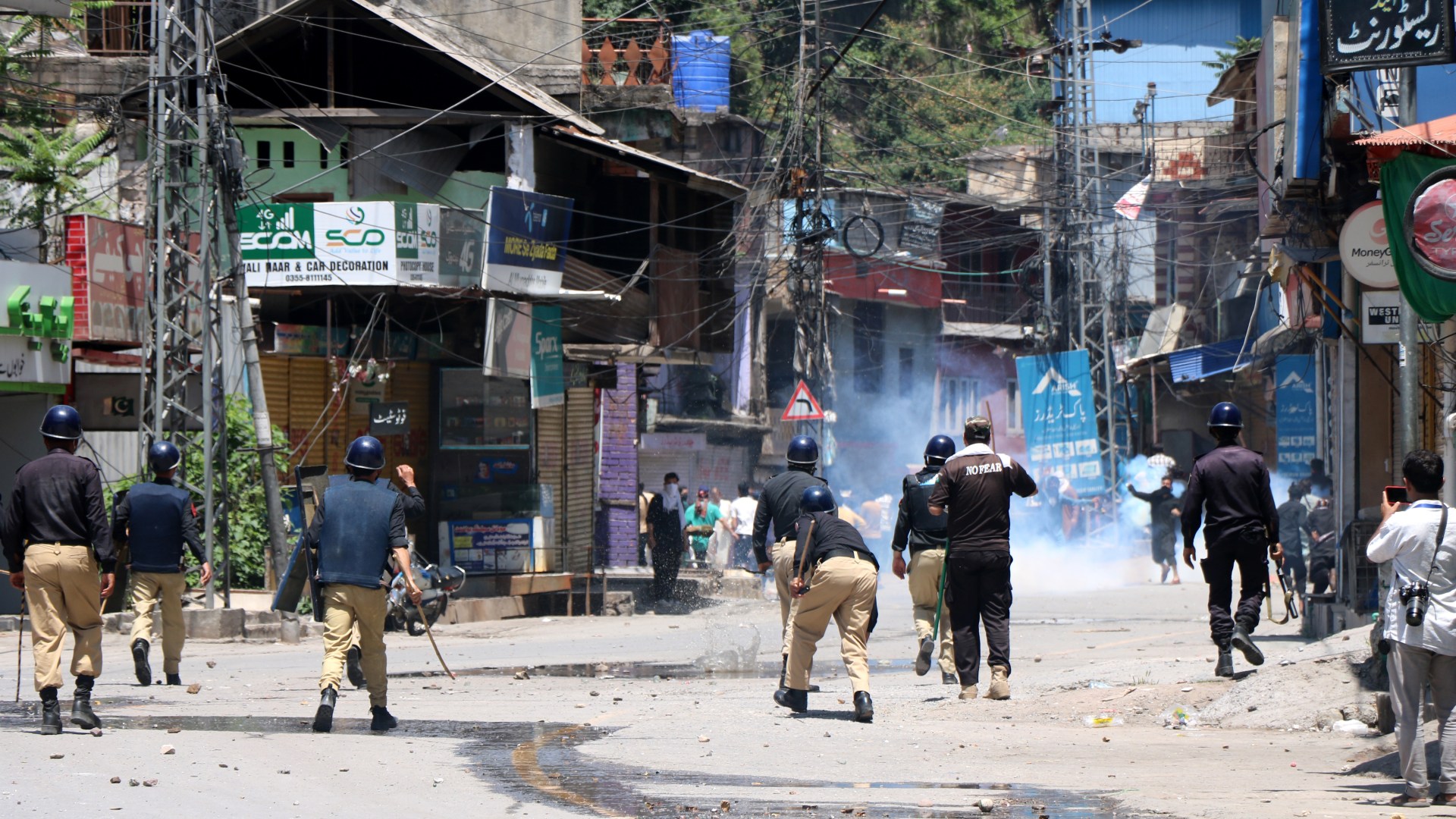
The unrest in Pakistan demonstrates the fragility of Pakistan’s governance model, which depends on coercion instead of consent and showcases the contradictions in the country’s foreign policy. Pakistan while portraying itself as the defender of Kashmiri rights globally suppresses the rights of people in territories it has occupied.
People in PoK have been shouting slogans like “Pakistani Forces Out”, “Kashmir Under Attack” and “We Want Basic Rights”, demonstrating the frustration of residents whose voices are being silenced. The unrest in PoK is not only a local crisis but a test of the international community’s resolve to uphold fundamental freedoms in contested regions.
The bloodshed during the Joint Awami Action Committee (JAAC) protests has stripped away Pakistan’s democratic facade, exposing a regime that responds to bread and butter grievances with repression and militarisation. What began as a campaign for affordable food and fair representation has swelled into a broadbased mobilisation, uniting traders, transporters, lawyers, students, and civil society. Instead of dialogue, Islamabad has chosen to criminalise dissent, turning a grassroots movement into a manufactured ‘security threat’.
The JAAC has formulated a 38-point charter of demands, which includes reducing electricity tariffs, subsidised price for wheat flour, ending perks for lawmakers and eliminating 12 reserved assembly seats, considered as tools to hold military dominance in PoK’s legislature.
The latest protests by JAAC that erupted on June 9 focussed on abolishing the 12 refugee seats in the Legislative Assembly. According to critics, these seats enable Pakistan to manipulate government formation and preventing local representation.
As the clashes erupted in PoK’s Rawalakot, the authorities suspended mobile network and internet services and declared JAAC a proscribed organisation, accusing it of inciting terrorism and disturbing public order. The crackdown intensified with mass arrests, raids and deployment of 14,000 additional security personnel. Pakistan militarised civilian spaces to crush dissent of PoK’s residents.
The killing of JAAC’s senior figure in Rawalakot marked a decisive turning point, with protesters claiming that he was ambushed by security forces. Following his death, violent clashes erupted across Poonch district, with eyewitnesses reporting that casualties were higher than official figures.
The unrest in PoJK carries implications beyond the region. It underscores the fragility of Pakistan’s governance model, which relies on coercion rather than consent, and exposes contradictions in its foreign policy: while projecting itself as a champion of Kashmiri rights internationally, Pakistan suppresses those very rights in territories under its control.
For South Asia, the crisis highlights the urgent need to address governance deficits and human rights violations in conflict-affected regions. It also raises pressing questions about the role of international actors in holding states accountable for obligations under international law.
The Indian Army on Friday rejected claims on social media that the Army had taken action against the...
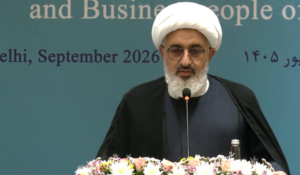
Abdul Majid Hakim Elahi, Iran's Supreme Leader's representative and senior diplomat, said on Friday that the US has...
New York, USA: The New York City Council has passed a law to ban horse-drawn carriages, naming the...

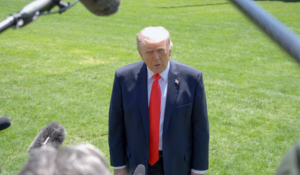
Washington: US President Donald Trump suggested that further military action against Iran remained possible, while acknowledging that the...
Lhasa: Sixteen people were killed and 32 others injured after a 7.0-magnitude earthquake struck Tibet on Thursday, according...
More than two weeks after the Yemeni government launched a major offensive against the Houthi group, front lines...
Aries: The day will be auspicious...