Last Updated: October 12, 2026
Last Updated: October 12, 2026





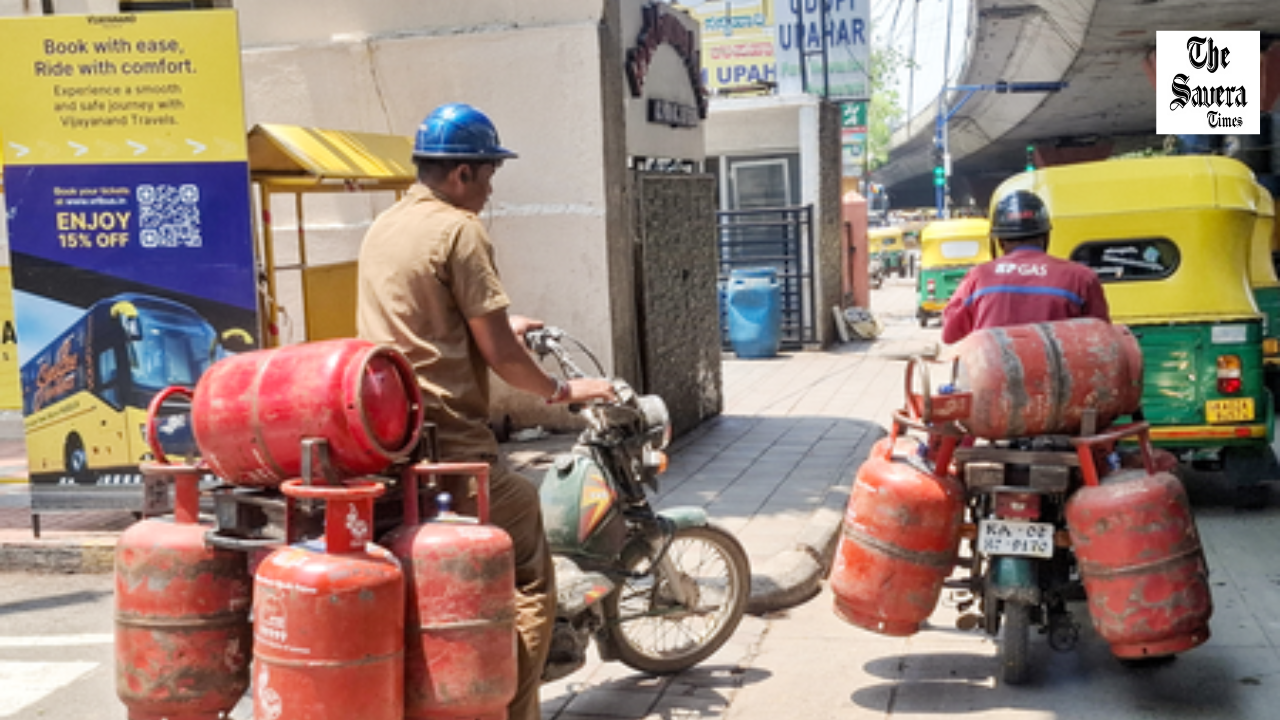
The Government of India has stated that domestic LPG, petrol, and diesel prices have been kept unchanged despite a sharp rise in global crude oil and gas prices. The move aims to protect consumers from the impact of international market volatility triggered by geopolitical tensions, particularly in West Asia.
According to the Ministry of Petroleum and Natural Gas, retail prices of key fuels have remained stable even as global energy costs have surged significantly in recent weeks.
The price of a 14.2 kg domestic LPG cylinder has been kept unchanged at around ₹913 in Delhi, while beneficiaries under the Pradhan Mantri Ujjwala Yojana (PMUY) continue to receive cylinders at subsidised rates of about ₹613.
This stability comes despite a steep rise in international LPG prices. The Saudi Contract Price, a key global benchmark, has increased by nearly 44% in April due to supply disruptions.
The government said the decision was taken to shield households from inflationary pressure and ensure affordability of cooking gas.
Retail prices of petrol and diesel have also remained unchanged across the country. In Delhi, petrol continues to be priced at around ₹94.77 per litre and diesel at ₹87.67 per litre.
This is despite a significant jump in global crude oil prices, which have risen sharply due to ongoing geopolitical tensions and supply constraints.
Officials said that maintaining stable fuel prices is part of the government’s effort to protect consumers and avoid a ripple effect on inflation.
To maintain price stability, public sector oil marketing companies (OMCs) are absorbing substantial financial losses. The government revealed that OMCs are currently facing under-recoveries of about ₹380 per LPG cylinder.
In addition, losses on petrol and diesel are also significant, with under-recoveries estimated at ₹24.40 per litre on petrol and over ₹100 per litre on diesel.
These losses are expected to increase further if global prices remain elevated.
While domestic fuel prices remain stable, the government has allowed increases in commercial LPG cylinder prices and premium fuel variants.
From April 1, the price of a 19 kg commercial LPG cylinder has risen sharply, reflecting global cost pressures.
Similarly, premium petrol and diesel variants have also seen price revisions, though these affect only a small segment of consumers.
The rise in global energy prices has been attributed to escalating tensions in West Asia, including disruptions in key supply routes like the Strait of Hormuz. These disruptions have affected both crude oil and LPG supplies worldwide.
International crude prices have reportedly surged significantly in recent weeks, increasing pressure on fuel-importing countries like India.
The government reiterated that keeping domestic fuel prices stable is a conscious policy decision to shield citizens from global price shocks. It also highlighted that India’s fuel prices remain relatively lower compared to several neighboring countries.
Officials assured that fuel supplies across the country remain adequate and urged people not to panic, emphasizing that the situation is under control.
While the decision offers relief to consumers, it also puts financial strain on oil companies and government resources. Experts say the sustainability of this approach will depend on how long global prices remain high.
For now, the government appears committed to maintaining price stability, prioritizing public welfare amid a volatile global energy scenario.
The Reserve Bank of India (RBI)'s new measures to curb speculation in the rupee and maintain stability in...

Gold exchange-traded funds (ETFs) witnessed a sharp rise in investor interest in September, with net inflows surging 71.4...

Rahul Gandhi accused the Modi government of protecting Chief Election Commissioner Gyanesh Kumar, criticised security restrictions in Delhi...
Chief Justice Surya Kant said every citizen can approach the Supreme Court through a petition after declining a...

A major fire broke out at a scrap warehouse opposite the Maruti Temple in Sangameshwar, Maharashtra, around midnight....

A 48-year-old man, Pawan Sharma, died after an alleged altercation over a senior citizen seat at Delhi’s Supreme...
Aries: The day will be auspicious...