Last Updated: October 21, 2026
Last Updated: October 21, 2026






The week began with optimism as a new chapter seemed to open in the longstanding conflict between Israel and Hamas. Following the rollout of former US President Donald Trump’s Gaza peace plan, Hamas released 20 living hostages in exchange for nearly 200 Palestinian prisoners and detainees held in Israeli jails. Trump, arriving in Israel shortly after the hostages were reunited with their families, hailed the moment as a “historic dawn in a new Middle East” during a speech to the Knesset. He then proceeded to Egypt for the Gaza Peace Summit, meeting more than 20 leaders to discuss next steps. A declaration was signed with Qatar, Turkey, and the US acting as guarantors of the ceasefire deal.
Yet, the ceasefire quickly showed signs of strain. Hamas delayed the release of the bodies of hostages, creating tension in Israel. While ten of the 28 deceased have been returned, the militant group cited difficulties in accessing the remaining bodies. Prime Minister Benjamin Netanyahu warned he would continue pressing Hamas to locate the rest of the dead captives. The fragile situation highlights the challenge of sustaining peace even after high-profile agreements. Among the deceased was Bipin Joshi, a 23-year- old Nepali national who had come to Israel in September 2023 as part of a study programme. Joshi was abducted a month later while working on a farm, and his family had to endure 738 days of uncertainty before learning his fate.
Attention also turned to Egypt, where the Gaza Peace Summit convened in Sharm El Sheikh on October 13. Trump dominated the proceedings, but Pakistan’s Prime Minister Shehbaz Sharif drew widespread attention for his responses during the event. After Trump praised Indian Prime Minister Narendra Modi, Sharif appeared awkward and later lauded Trump, suggesting he should be awarded the Nobel Peace Prize. His comments were widely mocked on social media, adding a note of diplomatic controversy to the summit.
Meanwhile, tensions flared on the Asian subcontinent as clashes erupted between Afghanistan and Pakistan. Airstrikes and ground engagements left scores dead and over 100 wounded. Afghanistan claimed its forces killed 58 Pakistani soldiers, while Pakistan said it had killed more than 200 Afghan soldiers in retaliatory action. The fighting along the border was the most severe since the Taliban assumed power in 2021. After a 48-hour ceasefire on October 15, both sides held talks in Doha on October 18. The Taliban accused Pakistan of violating Afghanistan’s sovereignty, illustrating the fragile balance of peace in the region.
In the United States, political and security developments continued to dominate headlines. Indian-American scholar Ashley Tellis was arrested for allegedly retaining classified information and meeting Chinese officials. At the same time, the US administration continued legal actions against Trump’s political adversaries, including the indictment of former National Security Adviser John Bolton.
Closer to home, India celebrated Diwali with its customary enthusiasm. Cities and towns witnessed a surge in shopping for gifts, jewellery, and electronics. The festive season also boosted the local economy, with retailers reporting strong sales across categories.
Finally, speculation emerged from Paris regarding the Eiffel Tower, one of the world’s most iconic landmarks. Following a temporary closure, rumours circulated that the structure might be demolished in 2026. The claims, however, remain unverified, and officials have yet to confirm any such plan. The landmark continues to attract millions of tourists each year, generating substantial revenue and remaining central to France’s cultural identity.
From tentative peace agreements in the Middle East and tense border conflicts in Asia to political arrests in the US and economic surges during Diwali, the week showcased a complex interplay of global diplomacy, security concerns, and cultural milestones. Even landmarks such as the Eiffel Tower become the subject of public speculation, highlighting how events, both real and imagined, capture global attention. Amid such a crowded news cycle, the stories of individuals—from hostages in Gaza to festival-goers in India— remind us of the human dimension behind headlines.
Protests in Jakarta, Yogyakarta and Bandung brought students onto the streets over rising costs, forest fires and civil...
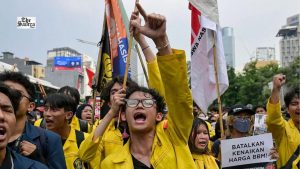
Organisations linked to Neville Roy Singham are under US congressional scrutiny over funding. Their coverage of protests in...

US President Donald Trump says Washington and New Delhi are close to a trade agreement that will differ...
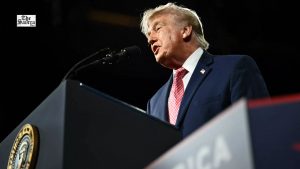
Iran has ruled out transferring its enriched uranium stockpile outside the country, with security official Mohsen Rezaei reiterating...
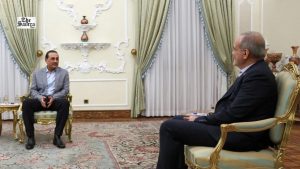
Donald Trump has urged Volodymyr Zelensky to pursue a peace deal with Russia, warning that Ukraine could face...
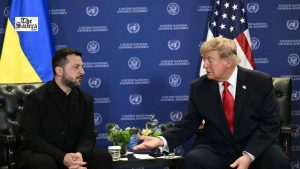
Pakistan, battling insurgencies at home and tensions along multiple borders, is too overstretched to offer meaningful military support...
Aries: The day will be auspicious...