Last Updated: October 12, 2026
Last Updated: October 12, 2026





Garlic is usually associated with strong smell and bad breath, but recent research and growing public interest in natural health remedies have brought this common kitchen ingredient into the spotlight for an unexpected reason, as a natural mouthwash.
With increasing awareness about the side effects of chemical- and alcohol-based mouthwashes, many people are now shifting towards chemical-free and organic alternatives. As a result, natural mouthwashes made from ingredients like lemon and garlic are gaining popularity and are even available on online delivery platforms.
Scientific Backing for Garlic Use
According to a review published in the Journal of Herbal Medicine in December 2025, garlic has strong antimicrobial properties. These properties help fight bacteria responsible for oral infections, plaque formation and bad breath. Researchers noted that garlic extracts have been traditionally used in oral hygiene practices in various cultures.
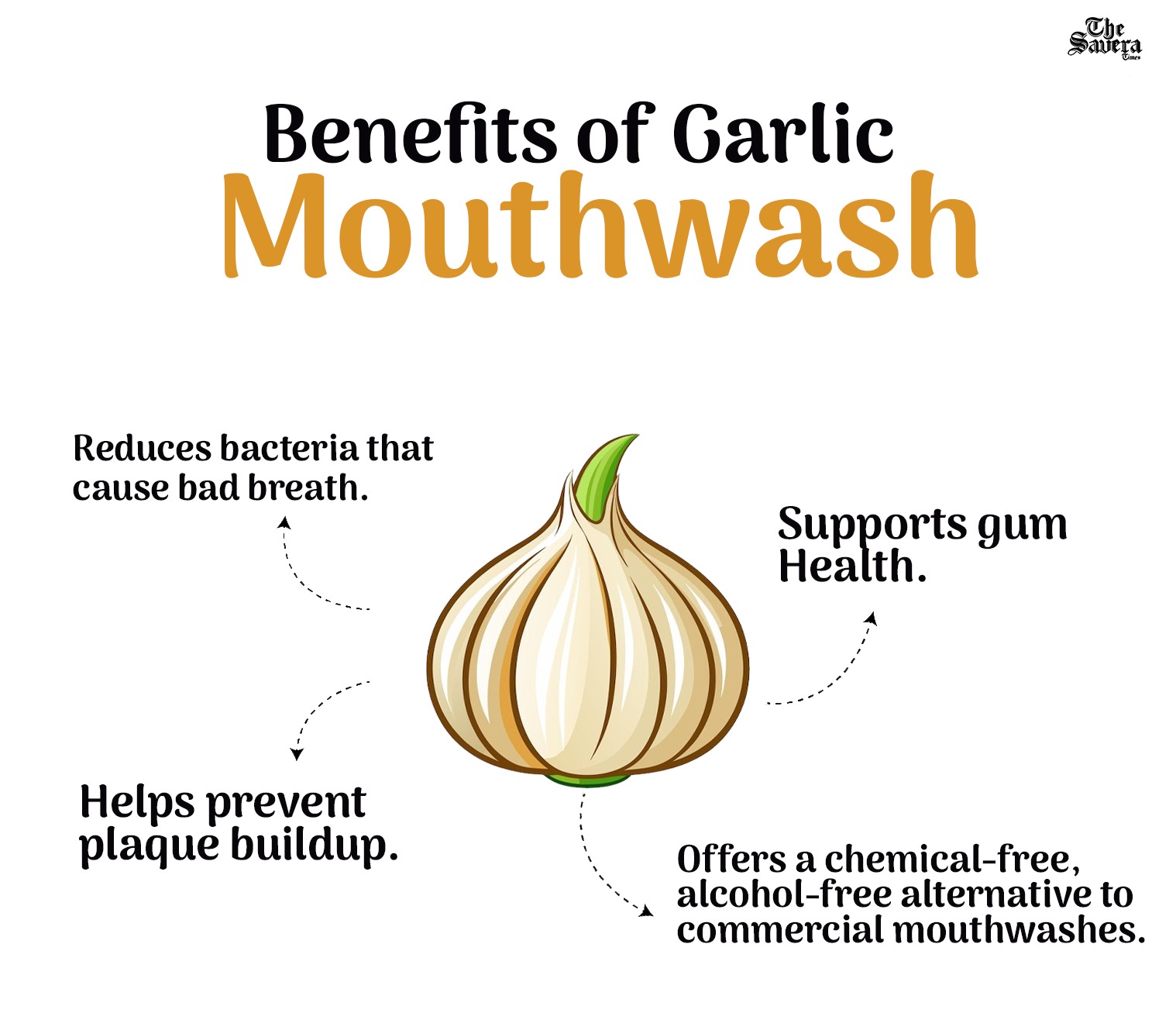
Benefits of Garlic Mouthwash
When used properly and in diluted form, garlic mouthwash may:
Reduce bacteria that cause bad breath
Support gum health
Help prevent plaque buildup
Offer a chemical-free alternative to alcohol-based mouthwashes
How to Make Garlic Mouthwash at Home
Garlic mouthwash can be prepared easily:
Crush 1–2 garlic cloves
Boil them in a cup of water
Let it cool and strain
Add a few drops of lemon juice to reduce odour (optional)
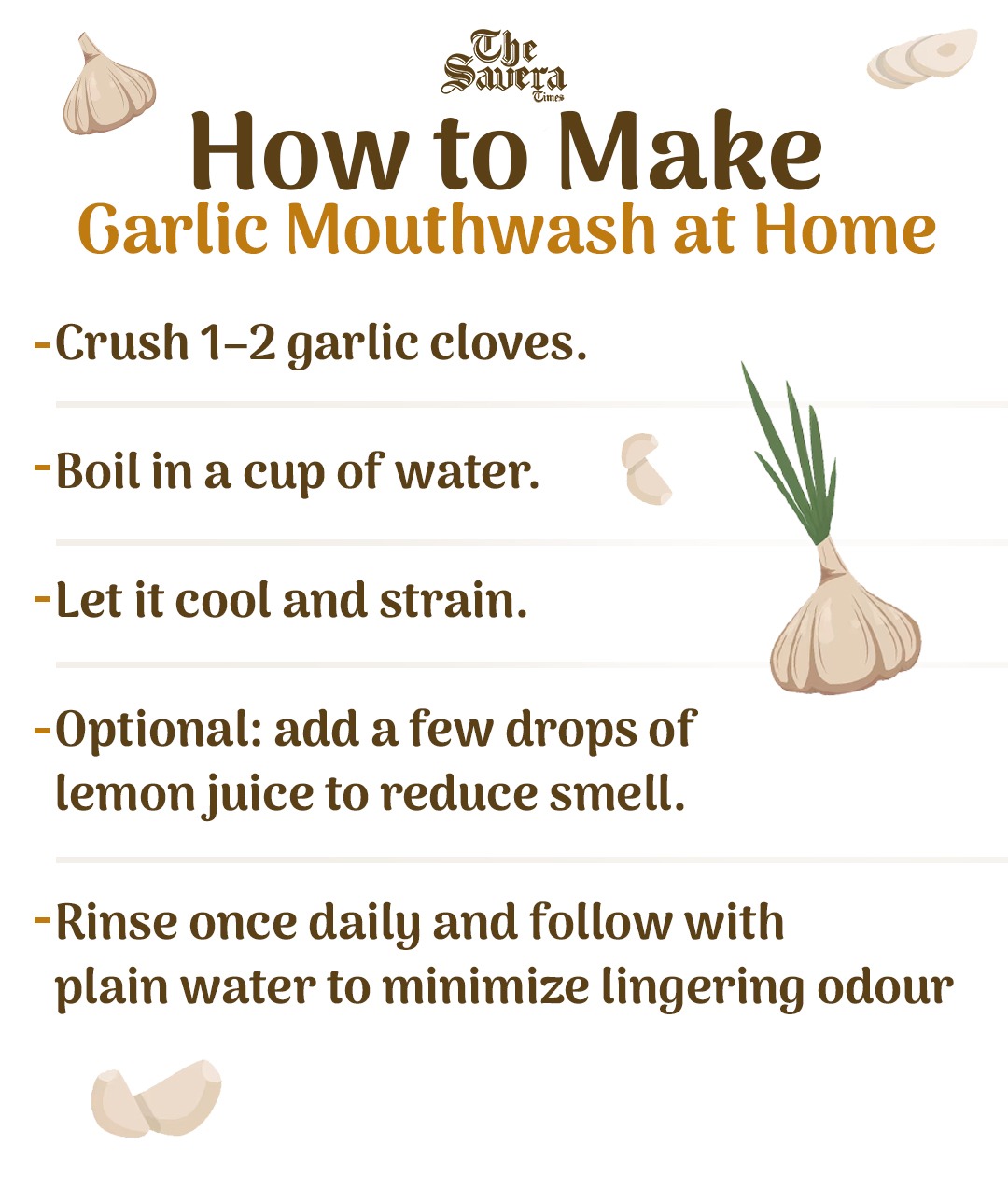
Use the solution as a rinse once a day and follow it with plain water to minimise lingering smell.
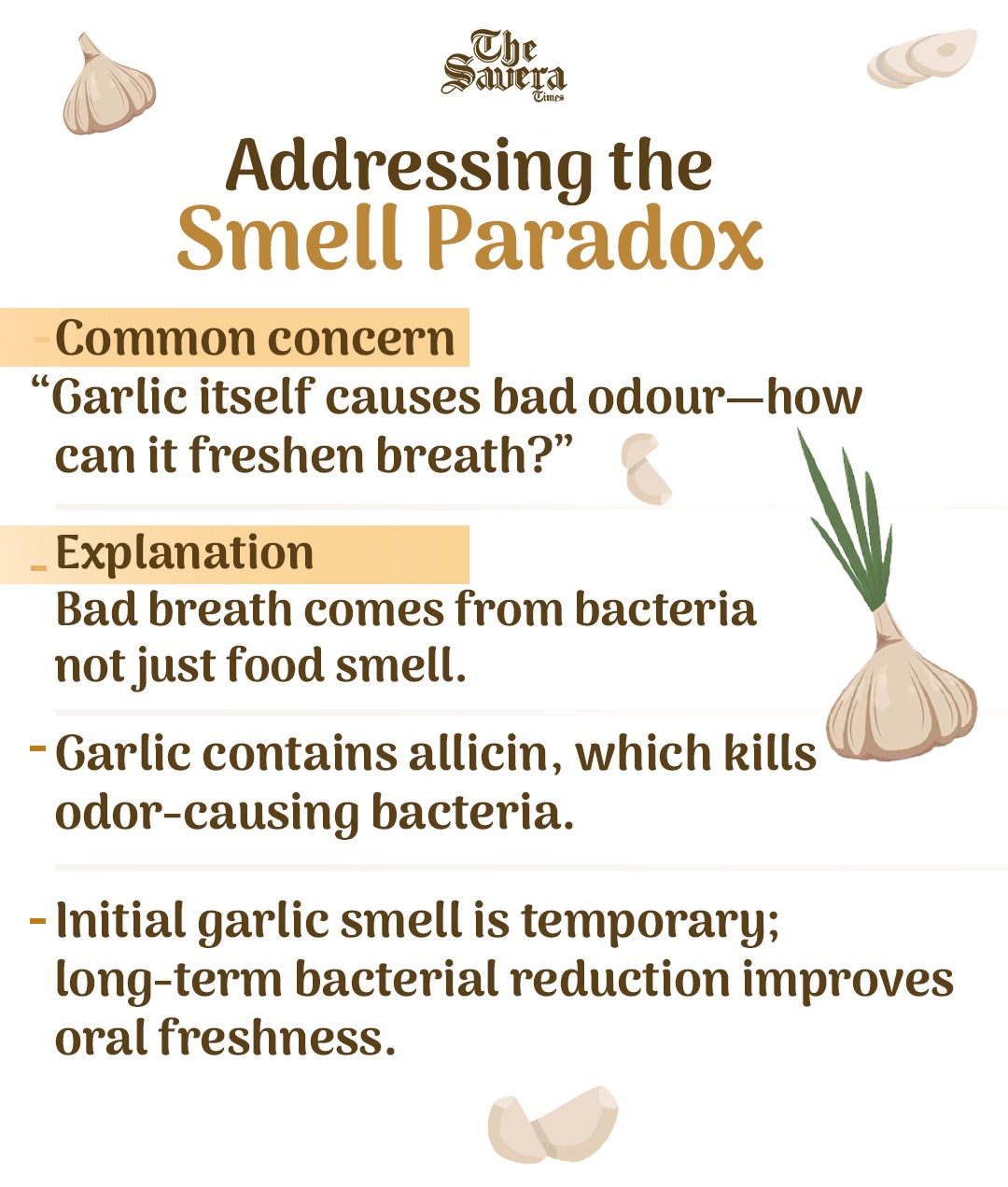
If Garlic Causes Bad Odour, How Can It Be a Mouthwash?
This is the most common question raised by people. Dental experts explain that bad breath is caused by bacteria, not by food smell alone.
Garlic contains a compound called allicin, which kills odor-producing bacteria in the mouth. While garlic may cause a temporary smell immediately after use, its antibacterial action helps reduce bacterial growth over time, addressing the root cause of chronic bad breath.
Experts point out that many commercial mouthwashes only mask odour temporarily, whereas garlic works by reducing harmful bacteria.
How the Smell Is Managed
When garlic is diluted in water and used as a rinse:
The smell is less intense than eating raw garlic
Rinsing with plain water afterward reduces residual odour
Adding lemon or mint can neutralize the smell further
Use With Care, Say Experts
Dentists caution that garlic mouthwash should be used occasionally, not as a complete replacement for brushing, flossing, or professional dental care. Overuse may irritate sensitive gums, and people with oral conditions should consult a dentist before trying home remedies.
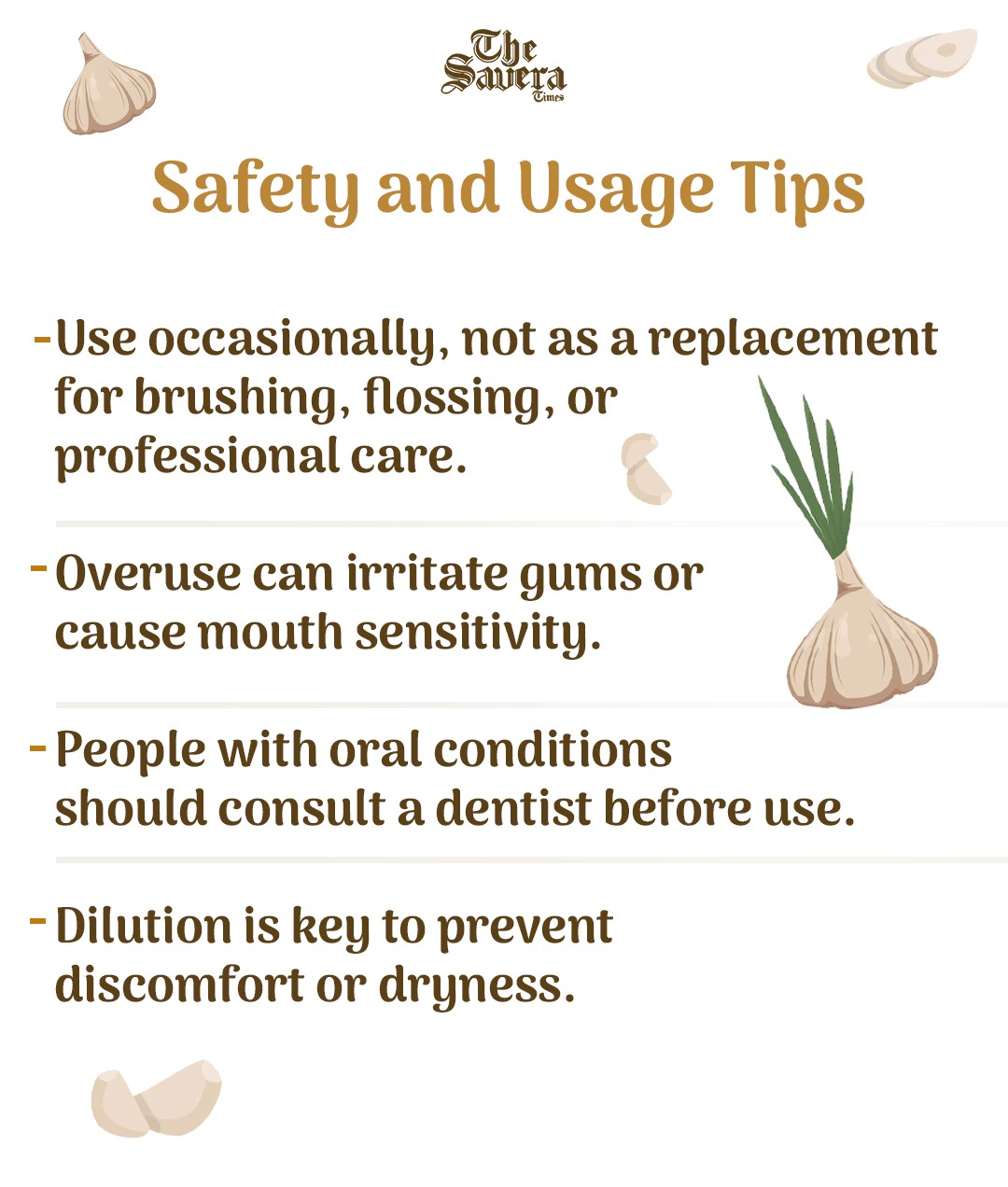
Long-term use may cause mouth irritation, gum sensitivity, or dryness in some people. Strong dilutions or frequent use may increase discomfort in oral tissues. Therefore, it is safer to use it for a limited period of time and with caution rather than as a long-term routine.
As interest in natural wellness grows, garlic mouthwash highlights how traditional knowledge and modern science are intersecting: proving that even the most unlikely kitchen ingredients can have health benefits when used wisely.
The Reserve Bank of India (RBI)'s new measures to curb speculation in the rupee and maintain stability in...

Gold exchange-traded funds (ETFs) witnessed a sharp rise in investor interest in September, with net inflows surging 71.4...

Rahul Gandhi accused the Modi government of protecting Chief Election Commissioner Gyanesh Kumar, criticised security restrictions in Delhi...

Chief Justice Surya Kant said every citizen can approach the Supreme Court through a petition after declining a...

A major fire broke out at a scrap warehouse opposite the Maruti Temple in Sangameshwar, Maharashtra, around midnight....

A 48-year-old man, Pawan Sharma, died after an alleged altercation over a senior citizen seat at Delhi’s Supreme...

Aries: The day will be auspicious...