Last Updated: October 15, 2026
Last Updated: October 15, 2026





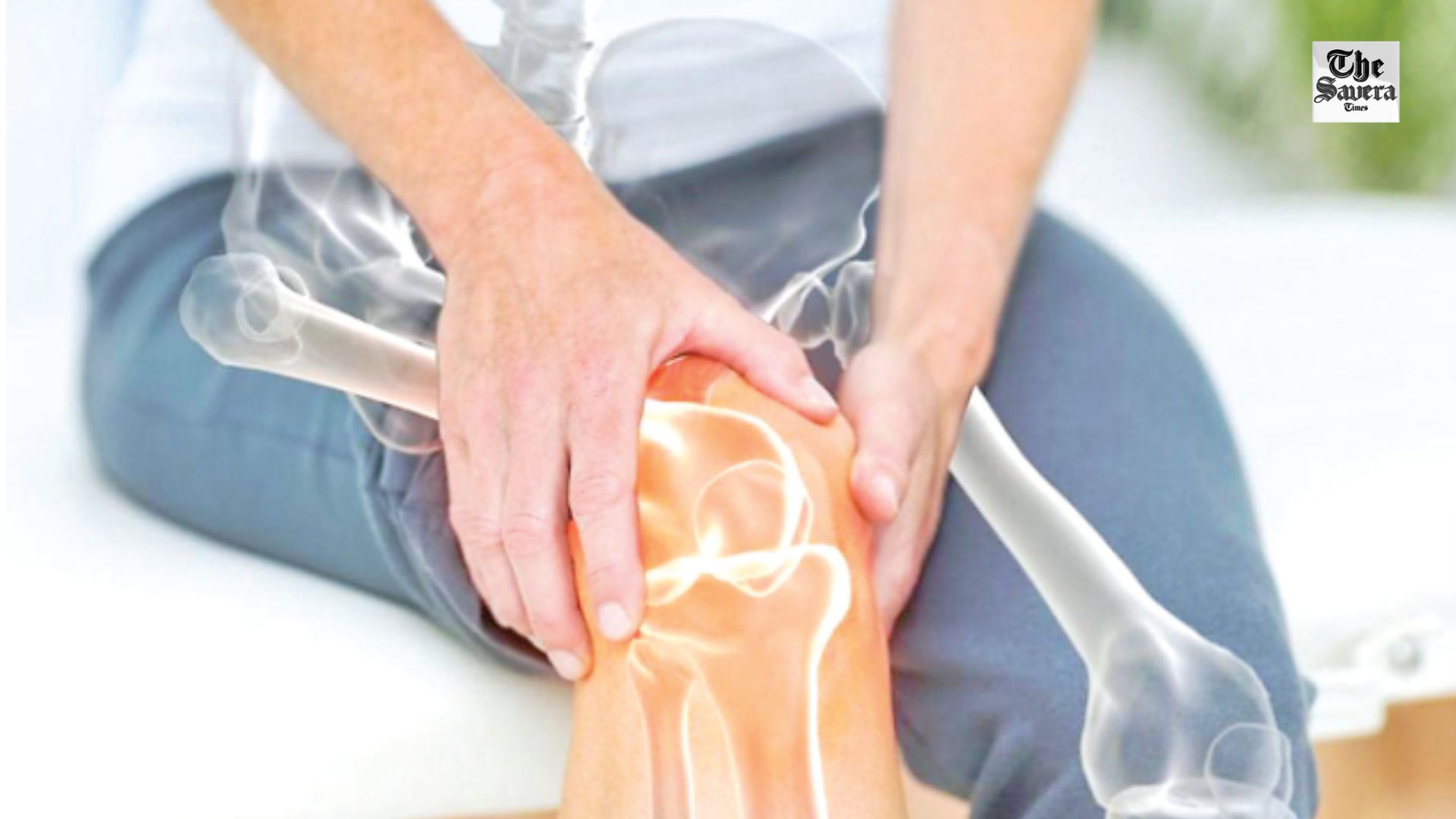
Cambridge scientists have created a breakthrough material that can sense tiny chemical changes in the body, such as the increased acidity during an arthritis flare-up, and release drugs exactly when and where they’re needed. By mimicking cartilage while delivering medication, this smart gel could ease pain, reduce side effects, and provide continuous treatment for millions of arthritis sufferers. The squishy material can be loaded with anti-inflammatory drugs that are released in response to small changes in pH in the body. During an arthritis flare-up, a joint becomes inflamed and slightly more acidic than the surrounding tissue. The material, developed by researchers at the University of Cambridge, has been designed to respond to this natural change in pH. As acidity increases, the material becomes softer and more jelly-like, triggering the release of drug molecules that can be encapsulated within its structure. Since the material is designed to respond only within a narrow pH range, the team say that drugs could be released precisely where and when they are needed, potentially reducing side effects. If used as an artificial cartilage in arthritic joints, this approach could allow for the continuous treatment of arthritis, improving the efficacy of drugs to relieve pain and fight inflammation. Arthritis affects more than 10 million people in the UK, costing the NHS an estimated £10.2 billion annually. Worldwide it is estimated to affect over 600 million people. While extensive clinical trials are needed before the material can be used in patients, the researchers say their approach could improve outcomes for people with arthritis, and for those with other conditions including cancer. Their results are reported in the Journal of the American Chemical Society. The material developed by the Cambridge team uses specially engineered and reversible crosslinks within a polymer network. The sensitivity of these links to changes in acidity levels gives the material highly responsive mechanical properties. The material was developed in Professor Oren Scherman’s research group in Cambridge’s Yusuf Hamied Department of Chemistry. The group specialises in designing and building these unique materials for a range of potential applications. “For a while now, we’ve been interested in using these materials in joints, since their properties can mimic those of cartilage,” said Scherman, who is Professor of Supramolecular and Polymer Chemistry and Director of the Melville Laboratory for Polymer Synthesis. “But to combine that with highly targeted drug delivery is a really exciting prospect,” added Scherman.
Jerusalem: The Israel Defence Forces (IDF) said in a statement on Wednesday that it had killed a Hamas...

US President Donald Trump has promised that if the Republican Party retains control of both houses of Congress,...

New Delhi: American singer Mary Millben on Wednesday made an explosive claim about the Delhi protests, alleging that...

Prime Minister Narendra Modi on Wednesday wished Pope Leo XIV a speedy and complete recovery. The Pope underwent...

A large group of Harvard University alumni expressed concern on Wednesday over the alleged negative propaganda and campaign...

US Secretary of State Marco Rubio will visit India and Uzbekistan from October 17 to 22. During his...

Aries: The day will be auspicious...