Last Updated: October 12, 2026
Last Updated: October 12, 2026





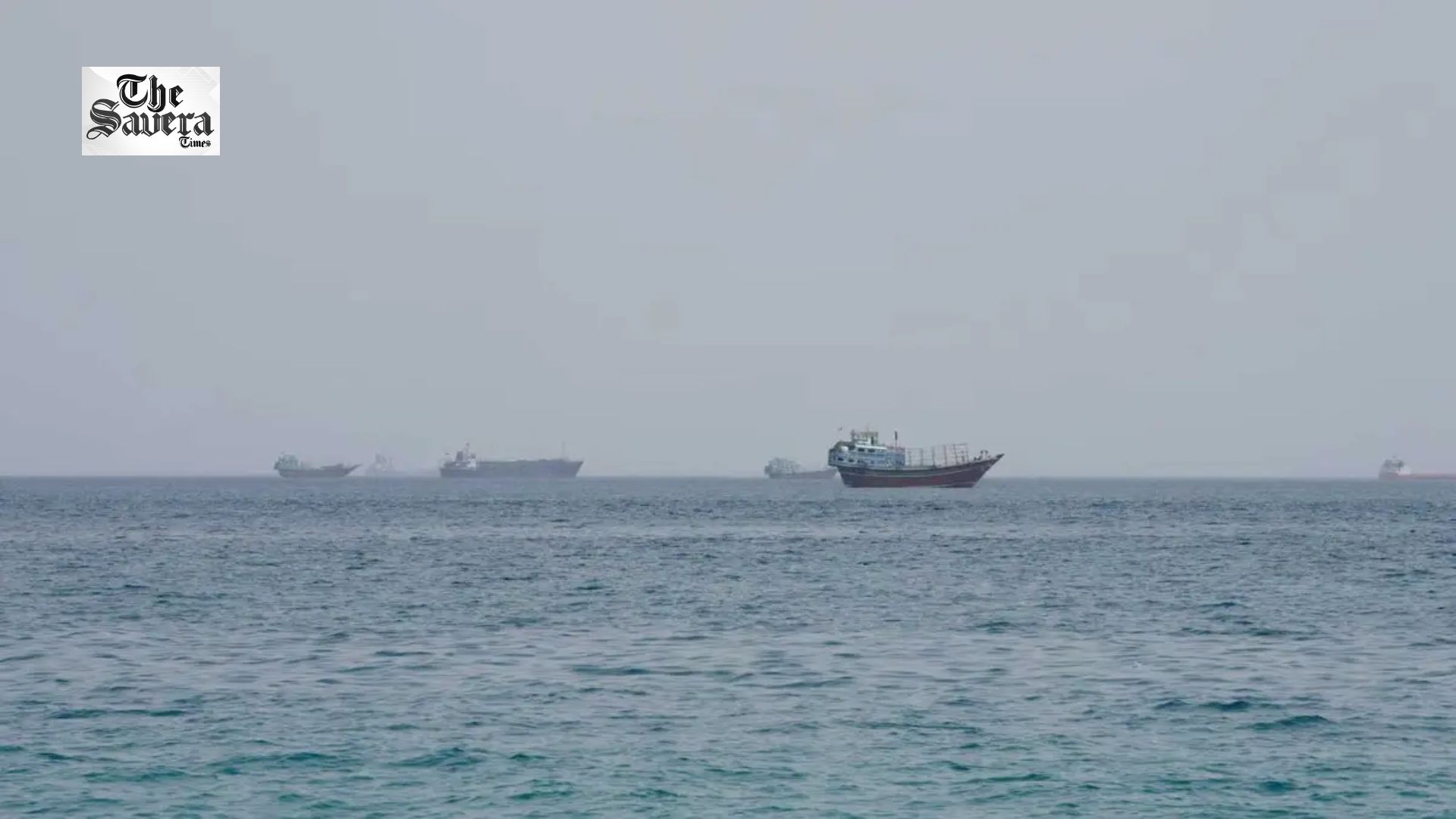
Despite ceasefire announcements, the war between the US and Iran continues. Gradually, this conflict has come to center on the Strait of Hormuz. Hormuz is the main route through which Gulf countries supply crude oil and natural gas to most countries around the world. This supply is not small, as it accounts for onethird of the world’s total oil and gas supply. If the ongoing tension in the Strait of Hormuz is comprehensively assessed, it is affecting almost half the world. The supply of crude oil and natural gas sent by cargo ships to India and other countries around the world has fallen by 95 percent. Countries around the world used to maintain a buffer of oil reserves. The war is showing no signs of ending, and so almost every country’s oil reserves have been depleted. If the situation remains the same for the next six months, it will severely destabilize global trade, production, and investment. Secondly, despite the adoption of alternative routes, Gulf countries’ oil exports have halved. The main route is the Strait of Hormuz, which remains blocked. This has resulted in petrol prices rising in 145 countries worldwide. Countries where petrol has become most expensive due to this supply crisis include Myanmar, Bhutan, Cuba, the UAE, and Nigeria. The impact of the Strait of Hormuz crisis can be gauged from the fact that while previously over 100 ships passed through it daily, now only five ships are passing through on average. In 2025, Gulf countries exported approximately 17 million barrels of crude oil daily, this was the reason for their prosperity. In August 2026, it reduced to 9 million barrels per day, that is, half. Before the Iran war, 38 percent of the world’s crude oil, 37 percent of natural gas and 19 percent of LNG used to pass through Hormuz, which has now come to a standstill. Due to this, crude oil in the world has become more expensive by an average of 20 percent as compared to before the war. Traffic at Kuwait’s port has reduced by 85 percent. Qatar, a major producer of natural gas, is facing ruinous days. The Hormuz crisis has also affected refined oil, fertilizer and container trade. Now, because the traffic itself has decreased by 95 percent, their supply has also been disrupted. India has made great efforts to manage its natural gas supply. Last year, India imported 22 million tons of LPG, and approximately 90 percent of this came from West Asia. The countries where our gas supply has been disrupted are the UAE, Qatar, and Kuwait. For LNG, we are turning to the United States, Nigeria, Oman, and Angola. India is recovering, but if the Strait of Hormuz remains blocked, the Gulf countries will suffer long-term economic hardship.
A Sudanese rights group says at least 72 gold miners were killed in an air strike near the...

US President Donald Trump is scheduled to attend the ASEAN summit in Manila on November 16 before travelling...
An Indian national injured in the October 10 attack on Riyadh’s King Khalid International Airport has died, taking...

Ukrainian President Volodymyr Zelenskyy says he was unaware of Donald Trump’s announcement of an immediate energy ceasefire between...

Colombian businessman Alvaro Pulido Vargas has been arrested in Florida over two US federal cases involving alleged bribery...

Republican Senator Thom Tillis has questioned the legality of Trump's Russian diesel deal, while John Barrasso defended it...

Aries: The day will be auspicious...