Last Updated: October 21, 2026
Last Updated: October 21, 2026






London, April 9: Jasmine El-Gamal, a former advisor to the Middle East Pentagon and CEO of Averos Strategies, has raised a concern about the growing influence of a single country over the global shipping routes. She said it is “not ideal” for a single nation to have total control over key maritime trade routes as these routes are critical to international trade and economic stability.
Global maritime routes carry nearly 80–90% of world trade including essential goods such as oil, food and manufactured products. Key chokepoints like the Suez Canal, Strait of Hormuz and South China Sea are vital for smooth global supply chains. Any disruption or dominance in these areas can cause immediate effects on global markets leading to price fluctuations and supply shortages.
Experts warn that if a single country gains excessive control over shipping infrastructure such as ports, logistics hubs or strategic sea routes it could influence trade flows or restrict access during geopolitical tensions. This could also impact smaller economies the most as they rely heavily on open and secure shipping lanes for imports and exports.
The statement comes at a time when global powers are increasingly investing in maritime infrastructure and expanding their presence in key regions. Analysts often link such concerns to strategic competition in areas like the Indo-Pacific and major trade corridors. The issue goes beyond economics; it is about maintaining balance in global power structures. Open and neutral shipping routes are essential for fair trade and international cooperation.
Ten people were killed and 44 others injured in a horrific road accident in Pakistan's Punjab province. The...

North Korean leader Kim Jong-un's influential sister, Kim Yo-jong, and a military marshal inspected fortification work along the...

New Delhi: US Secretary of State Marco Rubio has assured India that America’s relations with any country in...

The family of 5-year-old Fabiana Cabello in New York City, USA, is in deep shock after her death....

A Cessna 177A crashed onto Capitol Expressway in San Jose on October 17. Three people on board, including...

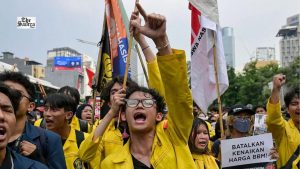
Protests in Jakarta, Yogyakarta and Bandung brought students onto the streets over rising costs, forest fires and civil...
Aries: The day will be auspicious...