Last Updated: October 21, 2026
Last Updated: October 21, 2026





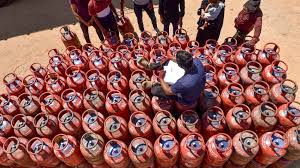
From the government to experts and the common man alike, everyone acknowledges that the ongoing conflict between the United States, Israel, and Iran will impact oil and gas supplies in India. We import both of these essential commodities from abroad. The war is taking a toll on our source countries. While oil and gas supplies to several Asian nations have been disrupted due to blockades in the Strait of Hormuz, Iran—adopting a friendly stance—has granted passage to tankers carrying oil and gas destined for India.
The actual disruption is stemming from the very source countries from which India receives its gas supplies. If production remains stalled at those sources, how will imported gas reach India? To address this issue facing the nation’s citizens, the Government of India has taken several new measures. One such measure involves extending the booking window for LPG cylinders in both urban and rural areas, thereby ensuring that LPG remains accessible to everyone.
A significant step has been taken in regions equipped with Piped Natural Gas (PNG) facilities: obtaining a PNG connection has been made mandatory for residents, and their existing LPG connections are to be withdrawn. The government’s objective is that if every household is equipped with a PNG connection, it will help curb the hoarding and black-marketing of LPG at both domestic and commercial levels.Another strategy under consideration involves harnessing alternative methods of gas production to boost PNG supplies, thereby reducing the overall burden on LPG resources. It is worth noting here that piped gas supply facilities are currently available in only a limited number of metropolitan areas. Even in the regions where this facility has been introduced, its availability is not yet universal.
Good Evening Viewers! Catch up on the day's biggest stories with The Savera Times Evening Bulletin. Get the...

Congress leaders continued their protest outside the Jaipur Police Commissionerate on Tuesday, demanding the registration of a zero...
On the auspicious occasion of Vijayadashami, Prime Minister Narendra Modi on Tuesday called on the countrymen to unite...
A historic milestone was achieved on Tuesday in the expansion of Chhattisgarh's rail networkA historic milestone was achieved...
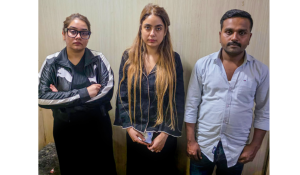
Model Shraddha Dubey, one of the main accused in the death of Lucknow businessman Shiv Sharma, has been...
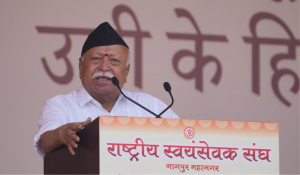
Rashtriya Swayamsevak Sangh (RSS) chief Mohan Bhagwat on Tuesday called for strengthening national unity, social harmony, indigenous practices...
Aries: The day will be auspicious...