Last Updated: October 21, 2026
Last Updated: October 21, 2026





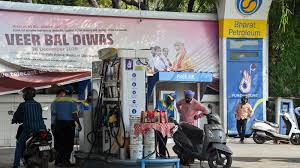
At present, it appears that the conflict involving Iran, the United States, and Israel in Western Asia is unlikely to be resolved anytime soon. Although the U.S. has extended the deadline until April 6—refraining, for the time being, from attacking Iran’s sensitive nuclear facilities—the harsh reality remains that a fierce conflict is currently underway.
Our country operates on an import-dependent economy; we import 85 percent of our requirements for petrol, diesel, and gas from abroad. A significant portion of these imports originates from the Gulf nations. Given that these countries have become embroiled in conflict, public anxiety regarding the supply of petrol, diesel, and gas is entirely understandable. However, the Government of India has maintained a firm stance that the prices of petrol and diesel will not be allowed to rise, and that priority will be accorded to domestic sources regarding the utilization and supply of gas.
Consequently, the companies currently selling petrol and diesel in India at existing rates are, evidently, incurring substantial losses. To mitigate these losses, the government has reduced the excise duty levied on the supply of petrol and diesel by Rs 10 per liter each. The government’s rationale is that—even as nations across the globe, from Europe to Pakistan, are raising petrol and diesel prices—it does not wish to impose an additional burden on the public by hiking rates here. Moving forward in this direction, the government has lowered the excise duty, thereby attempting to offset the financial losses being sustained by the oil companies.
In just the past month, crude oil prices have surged from $70 per barrel to reach $122 per barrel. As oil companies continue to sell petrol and diesel at the previous rates, they are incurring daily losses amounting to Rs 2,400 crore. This tax reduction is expected to compensate for approximately 30 to 40 percent of these losses.
Good Evening Viewers! Catch up on the day's biggest stories with The Savera Times Evening Bulletin. Get the...

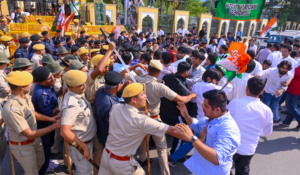
Congress leaders continued their protest outside the Jaipur Police Commissionerate on Tuesday, demanding the registration of a zero...
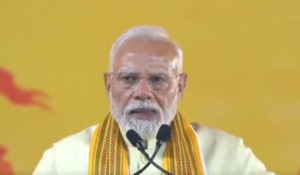
On the auspicious occasion of Vijayadashami, Prime Minister Narendra Modi on Tuesday called on the countrymen to unite...
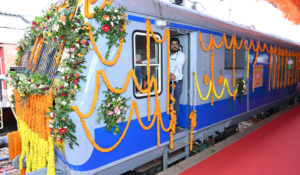
A historic milestone was achieved on Tuesday in the expansion of Chhattisgarh's rail networkA historic milestone was achieved...
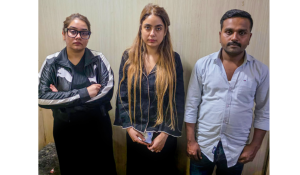
Model Shraddha Dubey, one of the main accused in the death of Lucknow businessman Shiv Sharma, has been...
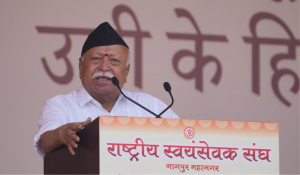
Rashtriya Swayamsevak Sangh (RSS) chief Mohan Bhagwat on Tuesday called for strengthening national unity, social harmony, indigenous practices...
Aries: The day will be auspicious...