Last Updated: October 21, 2026
Last Updated: October 21, 2026





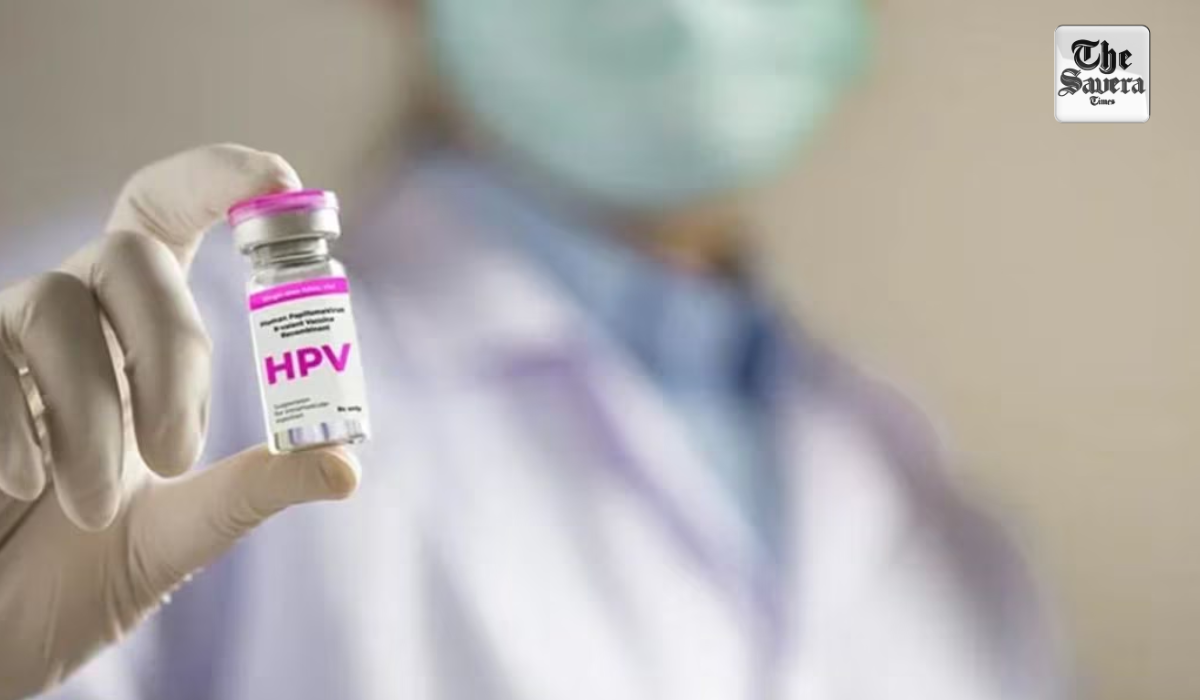
New Delhi: In a historic step towards empowering women’s health and eliminating preventable cancers, the central government will soon launch a nationwide Human Papillomavirus (HPV) vaccination program.
This initiative aims to protect adolescent girls from cervical cancer, one of the most common but preventable cancers affecting women in India. The program is in line with the recommendations of the World Health Organization (WHO) Global Strategy for Cervical Cancer Elimination, which identifies HPV vaccination as a key pillar.
Gardasil Vaccine Will Provide Protection
India’s national program will use the Gardasil vaccine, a quadrivalent HPV vaccine that provides protection against HPV types 16 and 18 (the major causes of cervical cancer), as well as types 6 and 11. According to officials, global and Indian scientific evidence confirms that even a single dose given to girls in the recommended age group provides strong and long-lasting protection.
India to join 160 countries
With the launch of this program, India will join the list of 160 countries that have included the HPV vaccine in their national immunization programs. Globally, more than 90 countries are implementing single-dose HPV vaccination regimens, which have improved coverage and affordability. Many countries have seen a significant reduction in the incidence of HPV infections, pre-cancerous lesions, and cervical cancer following widespread vaccination.
14-year-old girls to receive free vaccination
According to officials, this national program will target adolescent girls aged 14—the age when the HPV vaccine provides maximum preventive benefits and ensures protection before potential exposure to the virus. Vaccination under the national program will be voluntary and free, ensuring equitable access across all socio-economic groups. By prioritizing prevention at the right age, this program will play a crucial role in providing lifelong protection and significantly reducing the future burden of cervical cancer.
Vaccination will be conducted only at government health centers
Under the national program, HPV vaccination will be conducted only at designated government health centers, including Ayushman Arogya Mandirs (Primary Health Centers), Community Health Centers, Sub-District and District Hospitals, and Government Medical Colleges.
Each vaccination session will be conducted under the presence of trained medical officers, with a skilled team of health workers deployed for post-vaccination monitoring and management of any rare adverse events. All vaccination centers will be connected to government health facilities 24×7, ensuring prompt medical assistance and maintaining parental confidence.
Vaccine Supply Assured through Collaboration with Gavi
The government has secured the supply of HPV vaccine through a transparent and globally supported procurement mechanism to ensure consistent availability and quality. Under India’s partnership with Gavi, the Vaccine Alliance, the high-quality Gardasil vaccine—approved by India’s drug regulator and widely used internationally—has been made available for the national program.
Concern over the rising burden of cervical cancer
According to data from the Indian Council of Medical Research (ICMR), the estimated number of cervical cancer deaths in the country in 2023 was 35,691. In a written reply in the Rajya Sabha, Union Minister of State for Health Prataprao Jadhav stated that the number of cervical cancer deaths in India was 34,806 in 2022, 33,938 in 2021, 33,095 in 2020, and 32,246 in 2019.
According to Health Ministry sources, cervical cancer remains the second most common cancer among women in India, with approximately 80,000 new cases and over 42,000 deaths reported each year. Scientific evidence establishes that nearly all cases of cervical cancer are caused by high-risk HPV infections, particularly types 16 and 18, which account for over 80% of cases in India.
Vaccination offers 93–100% protection
While cervical cancer is largely preventable through vaccination and timely screening, the disease continues to impose a significant burden on women and families. The proposed HPV vaccination program directly addresses this challenge by preventing infection before it progresses to cancer.
HPV vaccines are among the most widely studied vaccines in the world, and scientific evidence shows that their effectiveness in preventing cervical cancer caused by the HPV types covered by the vaccine ranges from 93 to 100 percent.
A balloon containing a suspected flammable chemical burst during a stage play in Siwan, injuring around 10 spectators....

State Bank of India has confirmed that 3,897 customer records containing personal information were found on the dark...

A fire in a hut in Nonapar village of Deoria district claimed three lives, including those of a...

Amit Shah paid tribute to police personnel who died in the line of duty at the National Police...

Reduced water levels at Har Ki Pauri and other Haridwar ghats have inconvenienced pilgrims during the Upper Ganga...

Six people returning from a Dussehra Mela were seriously injured when a car hit them on National Highway...

Aries: The day will be auspicious...