Last Updated: October 24, 2026
Last Updated: October 24, 2026





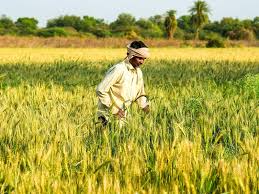
Punjab follows a Rabi and Kharif crop cycle. Wheat is procured in Rabi and paddy in Kharif. Regulated agencies purchase the crops at the lowest procurement price. Farmers harvest their crops from their fields and bring them to the mandis, where they are then procured by regulated agencies.
It is crucial that procurement begins immediately and payment is received immediately. In our agricultural country, most farmers cultivate small holdings of two to five acres. They consider it a good idea to sell as much paddy as they can and receive payment immediately. After this, they sow the next crop according to the crop cycle.
Punjab is considered a storehouse of grain, with the central government making significant purchases from Punjab every year. This grain procurement from the states is distributed among over 800 million people in the country. This year, the central government has set a target of purchasing 18 million metric tons of paddy for Punjab during the procurement season.
The Punjab government has announced that all procurement arrangements have been completed and farmers will receive immediate payment after purchase. Government procurement now happens immediately at the MSP, so farmers from neighboring states also illegally import paddy and sell it in our markets. The government does not encourage this.
Our priority is to ensure that Punjab farmers’ paddy is sold first in our markets, so 66 checkpoints have been established along the interstate border, where 626 police personnel will be deployed 24 hours a day.
The government procurement process involves more than just procurement and payment; it also involves managing lifting and storage. Using appropriate vehicles for lifting and having a sufficient number of empty warehouses for storage is crucial.
Currently, Punjab has a stockpile of 20 million tons. Four million metric tons of old rice is lying in rice mills. Now, until the lifting of this stored paddy is accelerated, where will the new crop be stored?
1,887 mandis have been established in the state for paddy procurement. The government’s goal is to procure paddy on time and quickly transport the purchased paddy from the mandis to mills and storage centers.
Even before procurement begins, 9 million metric tons of paddy has arrived for sale. In such a situation, there is also concern that the weather may play a role. We hope that the weather remains favorable, procurement proceeds quickly, and the hard-earned money of farmers is not affected in the slightest.
Every time the paddy crop ripens and the harvesting process is completed, the paddy is brought to the...

The Bani of the Guru Sahibans recorded in Sri Guru Granth Sahib Ji shows human beings the path...

Punjab Chief Minister Bhagwant Singh Mann claimed in the Assembly on Friday that the central government first denied...

BJP leader Kewal Singh Dhillon has criticised the Punjab government over its Assembly priorities, raising the killing of...

The Punjab Assembly on Friday unanimously passed a resolution to protect the voting rights of eligible citizens during...

Chief Minister Bhagwant Mann has hit back at Union Home Minister Amit Shah's statement regarding the drug problem...
Aries: The day will be auspicious...