Last Updated: September 30, 2026
Last Updated: September 30, 2026





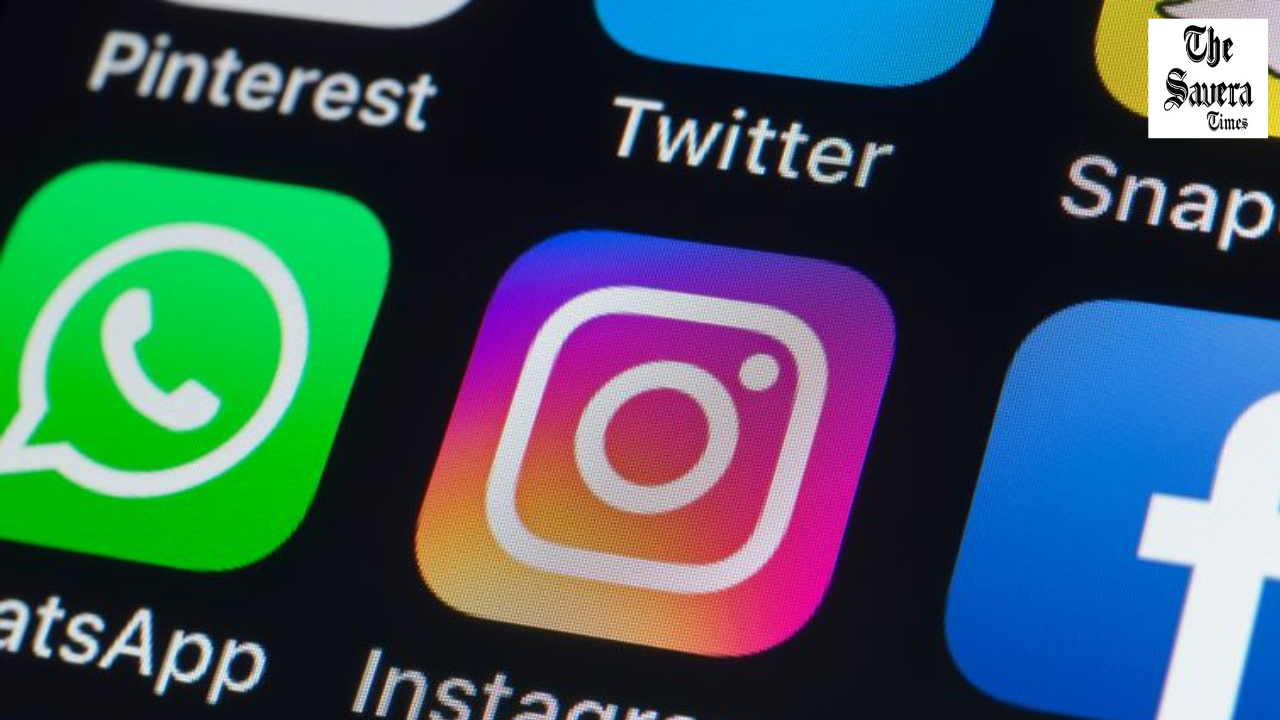
The Government of India has amended the Information Technology (Intermediary Guidelines and Digital Media Ethics Code) Rules, 2021, to tighten how AI-generated and deepfake content is regulated on online platforms. The changes were notified in the official gazette and will take effect from February 20, 2026.
Under the revised rules, social media platforms and digital intermediaries such as Facebook, Instagram, X, YouTube and others must remove AI-generated or synthetic content flagged by a competent authority or court within just three hours a significant reduction from the earlier 36-hour window. This is aimed at curbing the rapid spread of harmful or misleading deepfakes.
The amendments formally define AI-generated and synthetic content, including audio, visual or audio-visual material that has been altered or created using computer resources in a manner that makes it appear real or authentic. Routine editing or accessibility improvements are excluded from this definition.
Platforms that enable the creation or sharing of synthetic content must now label such material clearly and prominently. Where technically feasible, they must also embed metadata or provenance identifiers so users can easily distinguish synthetic content from genuine content. This is designed to enhance transparency and help users identify manipulated media.
Failure to comply with the new standards may attract penalties under the Information Technology Act, 2000 and related criminal laws. The regulations also shorten user grievance redressal timelines, reinforcing the government’s push for more responsible and accountable content moderation by online platforms.
Deepfake videos and other AI-generated media have increasingly been used to spread misinformation, damage reputations, manipulate public opinion and potentially influence elections. The tighter rules reflect growing concerns about AI-driven misinformation and the need for greater online safety and authenticity in digital content.
The Savera Times Evening Wrap brings you the top India and world news, covering major developments across politics,...

Pakistan-based LeT terrorist Mohammad Asif alias Hashim Moosa, wanted in the Pahalgam terror attack case, was killed in...

The Supreme Court has ruled out both a complete firecracker ban and unrestricted 24-hour use, indicating that permissible...
The Centre has approved higher MSP for all mandated Rabi crops for the 2027-28 marketing season, with safflower...

Traders’ organisations have withdrawn the October 2 “No UPI Day” protest after meeting Finance Minister Nirmala Sitharaman over...

Ahmedabad: A Nigerian national allegedly acted as a link between a Gujarat-based wanted accused and a wider drug...
Aries: The day will be auspicious...