Last Updated: October 12, 2026
Last Updated: October 12, 2026





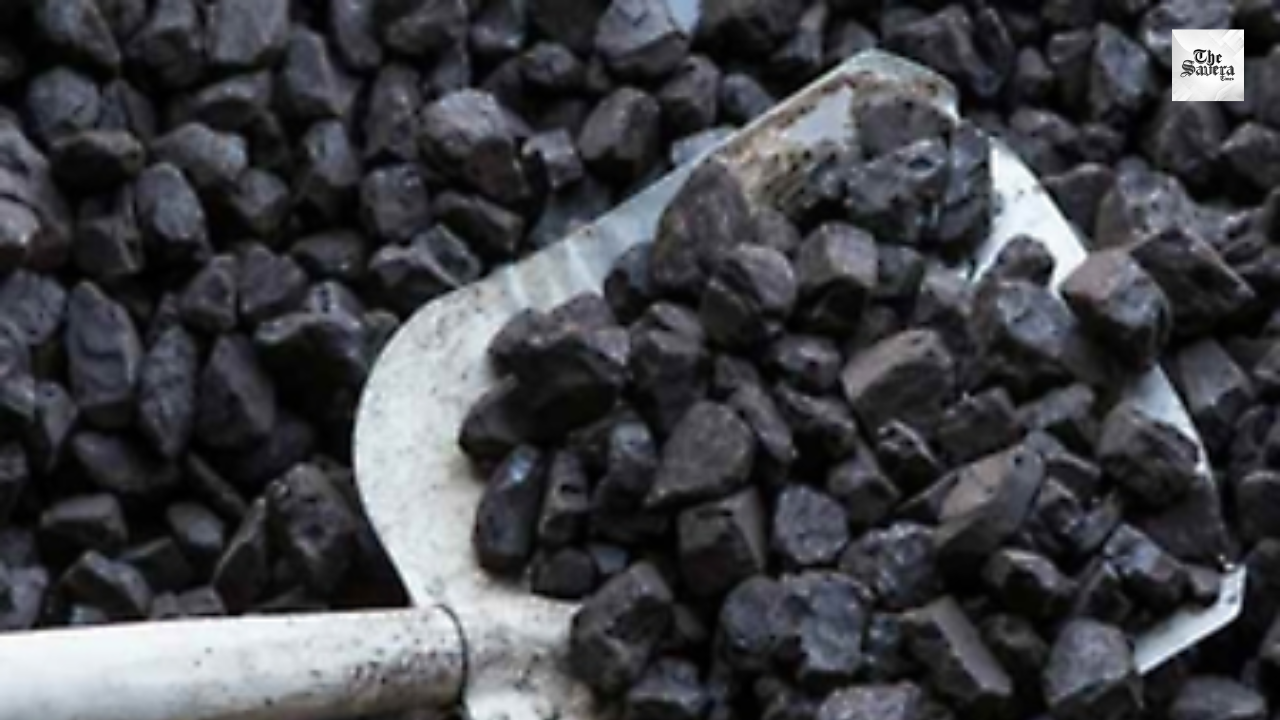
The Government of India has announced plans to auction 19 critical mineral blocks as part of the seventh tranche of its ongoing efforts to unlock the country’s mineral resources and support strategic industries. The latest tranche forms a continuation of a broader policy aimed at boosting domestic supply of key minerals that are vital for sectors such as EVs, electronics, defence and renewable energy.
The move is part of the government’s broader initiative to strengthen India’s domestic mineral base and reduce dependence on imports for critical raw materials. These auctions are being conducted under the amended provisions of the Mines and Minerals (Development and Regulation) Act, 1957, which allow the Centre to auction blocks containing minerals listed under the “critical and strategic” category.
Critical minerals include a range of metals and elements that are essential for advanced technologies and future‑focused industries. These typically include materials like lithium, graphite, rare earth elements (REEs), vanadium, titanium, phosphates and other rare metals, all of which have applications in electric vehicle batteries, high‑tech electronics, defence systems and renewable energy infrastructure.
With the global demand for such minerals rapidly rising, India’s dependence on imports especially from a limited number of foreign suppliers—poses strategic and economic risks. By auctioning domestic mineral blocks for private sector exploration and mining, the government aims to catalyse investment, accelerate resource extraction and add value within the country’s supply chain.
According to official sources, the seventh tranche will offer 19 critical mineral blocks for auction. These blocks will be put up on the government’s e‑auction platform, allowing companies to bid competitively for exploration and mining rights.
While specific details about the location and mineral composition of these blocks are yet to be fully disclosed, previous tranches have included blocks rich in minerals like graphite, phosphorite, potash, rare earth elements and more. These auctions have been spread across multiple Indian states, reflecting the geographic diversity of the country’s mineral wealth.
The policy includes both mining leases (ML) and composite licences (CL), providing flexibility for investors depending on their intended operations—whether for direct extraction or combined exploration and mining activities.
This announcement follows six previous tranches where the government has systematically auctioned critical and strategic mineral blocks. By the end of the fifth tranche, 34 blocks had been successfully auctioned, covering a variety of mineral types and attracting significant industry interest.
The sixth tranche also featured a large number of blocks across several states and laid the groundwork for the seventh round, demonstrating the government’s sustained focus on deepening private sector participation in mineral development.
Auctioning critical mineral blocks is seen as a key part of India’s strategy to achieve resource security, especially for minerals that are essential to emerging industries like electric vehicles (EVs), renewable energy systems and high‑end electronics. Increased domestic production can help lower import bills, create jobs, and attract foreign investment in mineral processing and manufacturing.
Experts believe that these auctions will also spur innovation in exploration technologies and infrastructure and could lead to the development of downstream industries such as battery manufacturing.
As the government prepares for the seventh tranche of critical mineral block auctions, industry stakeholders are expected to closely monitor the process and participate actively. The success of these auctions could further strengthen India’s critical mineral ecosystem and contribute to the broader goal of Atmanirbhar Bharat—a self‑reliant and resilient economy.
The Delhi Police has registered an FIR regarding the alleged disturbance at the Bangla Sahib Gurdwara in...

The Delhi Police on Monday removed Jantar Mantar from the list of officially designated protest sites. The police...

The Supreme Court on Monday clarified that it has not passed any judgment on the Election Commission's (ECI)...

The Kerala Assembly passed a resolution demanding the removal of Chief Election Commissioner (CEC) Gyanesh Kumar from his...
Amidst heavy security and barricades by the Delhi Police, INDIA Bloc leaders began a protest march towards the...
The Reserve Bank of India (RBI)'s new measures to curb speculation in the rupee and maintain stability in...