Last Updated: October 15, 2026
Last Updated: October 15, 2026





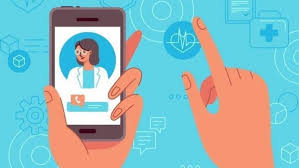
Telemedicine has emerged as a transformative healthcare solution in India, bridging the gap between medical services and patients in remote or underserved areas. Digital consultations, remote diagnostics, and mobile health applications have expanded access to quality healthcare, especially in rural and semi-urban regions.
The COVID-19 pandemic accelerated adoption. Hospitals and clinics began offering video consultations, online prescription services, and remote monitoring, reducing the need for in-person visits. Patients with chronic conditions, mobility challenges, or those living far from medical centers benefited significantly from these services.
Government initiatives have strengthened telemedicine infrastructure. The eSanjeevani platform, launched by the Ministry of Health, provides free teleconsultations across the country. Over 2 crore consultations have been conducted through the platform, demonstrating its reach and impact. State governments complement these efforts by integrating telemedicine with local health centers and mobile health units.
Private players like Practo, 1mg, mfine, and Portea are driving innovation with AI-assisted diagnosis, online pharmacies, and digital health records. These platforms offer convenience, reduce patient wait times, and improve care continuity. Subscription-based models and health packages also enable preventive care and chronic disease management.
Telemedicine is particularly valuable for rural populations. Specialists are often unavailable in remote areas, and travel to urban hospitals can be costly and time-consuming. Remote consultations allow doctors to guide local healthcare workers, interpret tests, and advise on treatments, significantly improving healthcare outcomes.
Challenges include regulatory compliance, data privacy, and technology literacy. The Telemedicine Practice Guidelines 2020 provide a legal framework for teleconsultations, emphasizing informed consent, patient confidentiality, and ethical practice. Ongoing awareness campaigns help patients and providers understand safe usage.
Integration with medical devices and wearables is another advancement. Remote monitoring of blood pressure, glucose levels, and heart rate through connected devices enables continuous health tracking. AI algorithms analyze data to provide alerts, recommendations, and predictive insights, making healthcare more proactive.
Telemedicine is transforming the healthcare landscape in India. By improving accessibility, reducing costs, and enhancing patient outcomes, it addresses longstanding challenges in the healthcare system. Continued investment in technology, training, and infrastructure will ensure that telemedicine remains a cornerstone of India’s evolving healthcare ecosystem, connecting patients to care wherever they are.
Punjab AGTF and Haryana STF arrested Gurlal Singh in connection with Ajmeet Singh’s September 11 murder in Naushera...

Uttar Pradesh Police arrested a 28-year-old alleged criminal after an encounter in Noida’s Sector 63. Police said around...

Indian equity benchmarks opened higher on Thursday, with the Sensex rising 183.91 points and the Nifty gaining 48.60...

Union Home Secretary Govind Mohan has tendered an unconditional apology to the Supreme Court over alleged non-compliance with...

Union ministers and chief ministers paid tribute to former President APJ Abdul Kalam on his birth anniversary, recalling...

Start your day with The Savera Morning Brief, bringing you the latest headlines and important developments from India...

Aries: The day will be auspicious...