Last Updated: October 21, 2026
Last Updated: October 21, 2026






Wellness tourism in India has emerged as a thriving segment of the tourism industry. With increasing awareness about physical and mental well-being, travelers are seeking experiences that combine relaxation, rejuvenation, and holistic health practices. India, with its rich heritage of yoga, Ayurveda, meditation, and spa therapies, is well-positioned to capitalize on this growing trend.
Ayurveda, India’s traditional system of medicine, forms the cornerstone of wellness tourism. Destinations such as Kerala, Rishikesh, and Himachal Pradesh offer customized Ayurvedic treatments, detox programs, and Panchakarma therapies. Visitors can choose from luxury resorts, wellness retreats, and specialized clinics to experience treatments that focus on physical health, stress management, and preventive care.
Yoga tourism is another major driver. Rishikesh, famously known as the “Yoga Capital of the World,” attracts thousands of international tourists annually. Institutes such as Parmarth Niketan and Bharatiya Yog Sansthan offer certified programs in yoga therapy, meditation, and holistic living. These experiences often combine spiritual learning with practical lifestyle techniques, appealing to individuals seeking personal transformation and stress relief.
Wellness tourism also encompasses spa and meditation retreats. Luxury resorts in Goa, Kerala, and Uttarakhand integrate wellness experiences into hospitality, providing guests with spa therapies, organic meals, mindfulness sessions, and nature-based activities. The emphasis on holistic health, combined with scenic environments, enhances the appeal to both domestic and international travelers.
The Indian government has actively promoted wellness tourism through initiatives like “Incredible India” campaigns, medical tourism policies, and partnerships with private players. Tax incentives, infrastructure development, and skill training for wellness practitioners have further encouraged the growth of this sector.
Economic opportunities in wellness tourism are significant. The sector supports employment for thousands of practitioners, therapists, guides, and hospitality staff. Additionally, it stimulates local economies through the demand for organic produce, handicrafts, and wellness-related services. International tourists, who often spend more than conventional travelers, contribute substantially to revenue generation.
Challenges include standardization of quality, accreditation of practitioners, and integration of modern safety protocols without compromising traditional practices. Startups are addressing these gaps through technology-driven platforms for booking, tele-consultation, and customer feedback systems.
Looking ahead, wellness tourism in India is expected to grow steadily. Demand for mental health retreats, corporate wellness programs, and adventure wellness experiences is rising. The sector’s growth reflects a broader societal shift toward holistic well-being, where travel is not just leisure but a conscious pursuit of physical, mental, and spiritual health.
In recent years, digital technology has also transformed wellness tourism in India. Online platforms allow travelers to research, compare, and book wellness packages, consult with Ayurvedic doctors remotely, and access personalized health plans before arrival. Virtual wellness experiences, online yoga classes, and telemedicine consultations complement physical visits, making holistic health practices more accessible. This integration of technology not only enhances convenience but also builds confidence among international tourists who seek reliable services and verified practitioners.
We are very proud that at present India is the number one country in the world by surpassing...

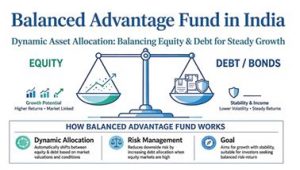
Every investor wants the wealth-creating power of equity and the reassuring stability of debt. Balanced Advantage Funds attempt...
Tourism is a major source of government revenue in our country. There are different types of tourism. Scenic...
Good Evening Viewers! Catch up on the day's biggest stories with The Savera Times Evening Bulletin. Get the...

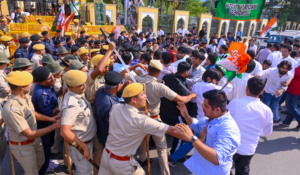
Congress leaders continued their protest outside the Jaipur Police Commissionerate on Tuesday, demanding the registration of a zero...
On the auspicious occasion of Vijayadashami, Prime Minister Narendra Modi on Tuesday called on the countrymen to unite...
Aries: The day will be auspicious...