Last Updated: October 20, 2026
Last Updated: October 20, 2026





Abhishek Vij
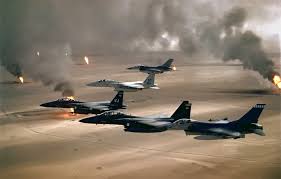
The war that had been raging for the past 40 days among the United States, Israel, and Iran had shaken humanity across the globe to its core. Both sides suffered heavy losses in the conflict. Iran’s neighboring Gulf nations—which host U.S. military bases—also had to endure significant damage. However, 40 days into the war, following a dramatic turn of events, a 14-day ceasefire has been declared between the two sides. Trump had previously announced that once the deadline on his ultimatum expired, the U.S. would launch such a devastating attack on Iran that it would permanently obliterate a pillar of the Iranian state—one that would never rise again. During the ultimatum period, the U.S. also engaged in a show of military force. Iran, too, delivered a forceful response.
Yet, an hour and a half before the ultimatum was set to expire, the ceasefire was announced. Following the ceasefire, Trump’s initial statement suggested that Iran had expressed a desire (or “begged”) for dialogue, and that the U.S. would consider its ten-point proposal. The U.S., in turn, presented its own 15-point proposal. The ceasefire is currently in effect for 14 days; subsequently, with a view toward the possibility of a broader settlement, the duration of the ceasefire may be extended. However, the issue of Lebanon remains a sticking point within the ceasefire agreement. Israel maintains that Lebanon is not a party to the agreement and, therefore, attacks against it will continue; Iran, conversely, argues that Lebanon must also be included in the settlement. Iran has further warned that if Israel does not halt its attacks, it will be compelled to retaliate. Nevertheless—aside from this single contentious issue—hostilities have ceased on all other fronts. A safe corridor has been opened for a period of two weeks. Iran has stated that, under its supervision, it will grant permission for all stranded vessels to depart. Reports indicate that approximately 16,000 Indian nationals—including a number of sailors—remain stranded in the region and will now have the opportunity to evacuate. It is worth remembering that, out of a spirit of friendship toward India, Iran did not close the Strait of Hormuz to Indian shipping.
So far, seven of our ships have successfully traveled from Iran to India. In the wake of the ceasefire, assessments are currently underway to determine which of the two sides emerged stronger, and what each gained or lost. Nations across the globe are crediting Iran with the bravery to stand firm against the combined might of the United States and Israel. While such assessments will undoubtedly continue, the overall atmosphere can hardly be described as reassuring; following the ceasefire, Trump issued a statement warning that if Iran does not cease its pursuit of nuclear weapons, the U.S. stands ready to re-enter the fray. This stance may stem from the criticism questioning what, exactly, the United States achieved through this conflict—given that the regime in Iran remains unchanged, and no guarantees were secured from the Iranian side regarding a halt to nuclear weapon development or uranium enrichment.
The Strait of Hormuz, which had remained open prior to the conflict, was subsequently closed due to the hostilities; it has now reopened following the agreement. Moreover, while Iran previously levied no tolls on traffic through the Strait of Hormuz, it has now instituted a policy of imposing such fees—a provision explicitly outlined within the ten-point framework of the agreement. While celebrations erupted in Iran following the ceasefire, Pakistan also attempted to claim credit, asserting that the cessation of hostilities was the result of its own diplomatic efforts.
Moving forward, talks aimed at securing a lasting peace are scheduled to take place between Iran and the United States in Islamabad. The ceasefire was, in fact, the result of concerted efforts by several nations, including China, Qatar, Turkey, and Egypt. Nevertheless, Donald Trump has publicly credited Pakistani Prime Minister Shehbaz Sharif and Pakistan’s Field Marshal Asim Munir with brokering the ceasefire. Ultimately, the world now hopes that this agreement will endure beyond the initial two-week period, preventing a renewed outbreak of hostilities, so that lasting peace may be established and the world can once again breathe a collective sigh of relief.
Good Evening Viewers! Catch up on the day's biggest stories with The Savera Times Evening Bulletin. Get the...

Congress leaders continued their protest outside the Jaipur Police Commissionerate on Tuesday, demanding the registration of a zero...

On the auspicious occasion of Vijayadashami, Prime Minister Narendra Modi on Tuesday called on the countrymen to unite...
A historic milestone was achieved on Tuesday in the expansion of Chhattisgarh's rail networkA historic milestone was achieved...

Model Shraddha Dubey, one of the main accused in the death of Lucknow businessman Shiv Sharma, has been...

Rashtriya Swayamsevak Sangh (RSS) chief Mohan Bhagwat on Tuesday called for strengthening national unity, social harmony, indigenous practices...
Aries: The day will be auspicious...