Last Updated: November 4, 2026
Last Updated: November 4, 2026





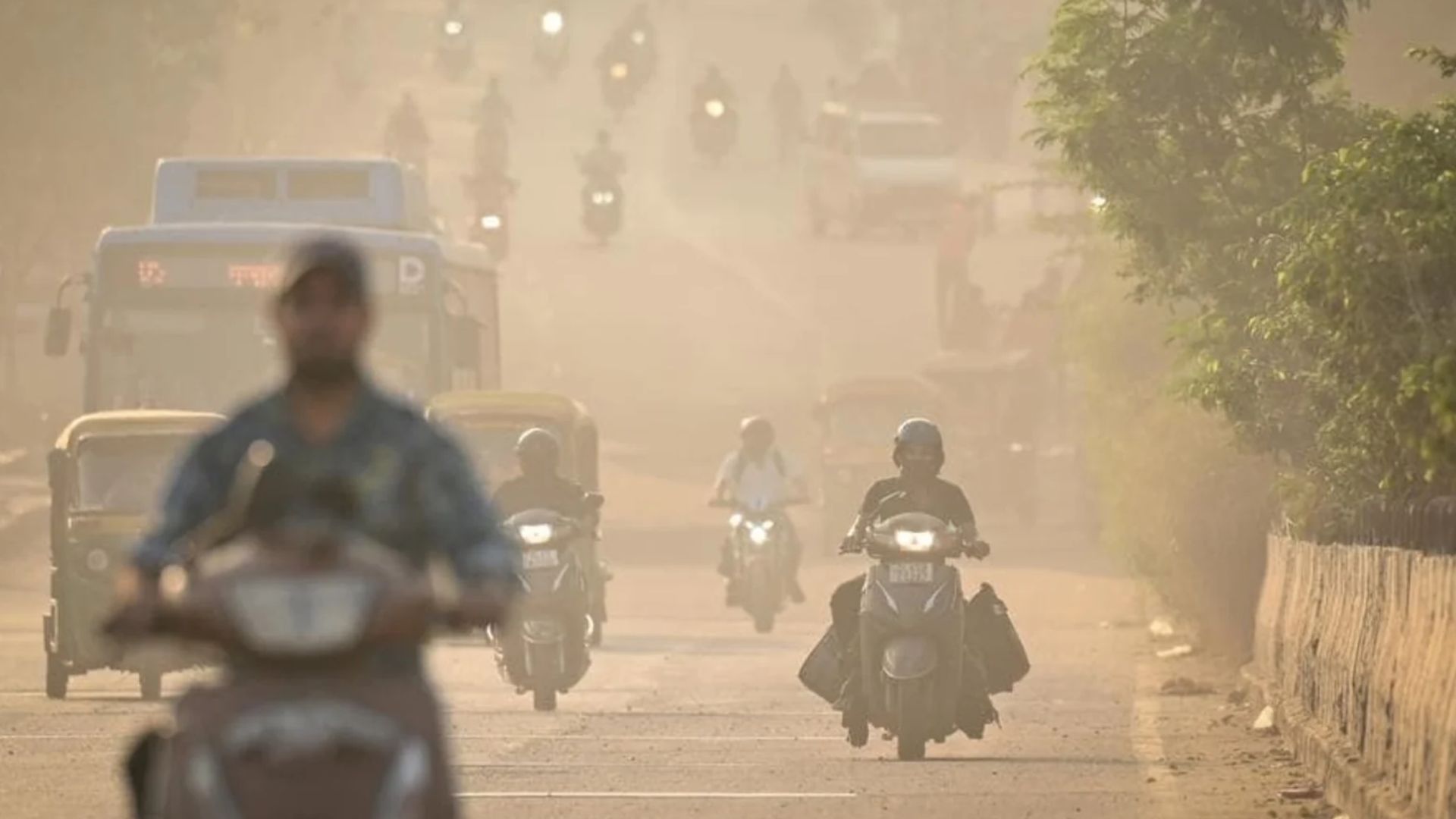
Gurugram: In light of the continuously deteriorating air quality in the National Capital Region (NCR), the Gurugram administration has decided to implement new restrictions to control pollution. Under this, there will be a temporary ban on dust-causing construction and demolition work in the district from November 5th to 20th. This step has been taken under the directives of the Commission for Air Quality Management (CAQM).
In addition to the construction ban, the administration has directed Haryana government departments and private offices in Gurugram to implement work-from-home arrangements. According to the order, only 50% of employees will be physically present in offices at a time, while the remaining employees will have to work from home.
Deputy Commissioner Uttam Singh issued instructions in this regard on Tuesday. He clarified that all related institutions and establishments will have to comply with these orders during the stipulated period.
Construction work banned from November 5th to 20th, these projects exempted
Under the administration’s order, dust-generating construction and demolition work has been banned in the district. This includes construction work related to highways, roads, flyovers, overbridges, pipelines, and other public infrastructure projects.
However, the administration has exempted certain essential and strategic projects from this ban so that essential services and critical infrastructure are not affected.
Industrial establishments and essential services are excluded from the ban. Additionally, construction work related to railways, metro projects, airports, hospitals, water supply systems, sanitation facilities, and national security will also be allowed to continue.
The administration states that these exemptions are intended to ensure the continued operation of essential public services and infrastructure, while also supporting pollution control efforts.
Only 50% of employees allowed in government and private offices
A 50% physical attendance rule has been made mandatory for Haryana government departments and private offices in Gurugram. Under this, no institution will be able to call more than half of its employees to the office at a time. The remaining employees will be required to work from home.
Offices will also be required to maintain attendance records based on a roster of employees. This will help the administration monitor whether the institutions are complying with the orders.
The aim of this measure is to reduce the number of people and vehicles coming to the office, thereby helping to control pollution.
Daily inspections, legal action for violations
To ensure effective enforcement of the restrictions, the administration has assigned monitoring responsibilities to the concerned Sub-Divisional Magistrate (SDM) and officials of the Haryana State Pollution Control Board.
These officials will conduct daily inspections and verify that the instructions regarding the ban on construction activities and attendance in offices are being followed.
The administration has warned that legal action will be taken against institutions and agencies violating the orders under the Air Quality Management Commission Act, 2021. Therefore, compliance with these instructions will be mandatory for all concerned establishments.
Severe pollution is dangerous for health, Medanta doctor warns
Dr. Randeep Guleria, Chairman of the Institute of Internal Medicine, Respiratory and Sleep Medicine at Medanta Hospital in Gurugram, also expressed concern about the health impacts of deteriorating air quality.
He warned that when air quality reaches the severe or very severe category, it poses a major health challenge. People with long-term respiratory and cardiovascular diseases are particularly at risk. Children and the elderly are also among those most affected by pollution.
Dr. Guleria said, “The AQI has now reached severe or very severe levels, which is very worrying. This poses a major challenge, especially for those with chronic respiratory diseases and heart conditions, young children, and the elderly.”
He explained that as pollution levels rise rapidly, the number of patients presenting to hospitals with breathing difficulties and persistent coughs increases. Some patients have to be admitted to general wards, while in severe cases, others may require treatment in the Intensive Care Unit (ICU).
Pollution doesn’t just affect those with pre-existing medical conditions. Even healthy individuals can experience chest tightness, difficulty breathing, coughing, and watery eyes due to exposure to toxic air.
Pollution Affects the Lungs and Heart
According to Dr. Guleria, exposure to polluted air can increase inflammation in the lungs and blood vessels. This can worsen pre-existing conditions like chronic obstructive pulmonary disease (COPD), asthma, and heart disease.
Pollution can increase shortness of breath in people with respiratory or heart conditions. It can also lower blood oxygen levels.
When air quality reaches the severe category, it is especially important for children, the elderly, and those with pre-existing medical conditions to be aware of the risks.
Actress Soni Razdan has expressed strong displeasure over the use of firecrackers during Diwali. She said that given...

Ahead of Diwali, the Mumbai Police have taken strict measures regarding the sale and storage of firecrackers. The...

Start your day with The Savera Times Morning Bulletin, bringing you the latest news and top headlines from...

Indian-American Congressman Suhas Subramanian has won his second consecutive term in the US midterm elections.

A suspicious explosion has occurred on the Ramsinghpur-Anupgarh railway line in the Ramsinghpur area of Sriganganagar district, Rajasthan.

Leader of the Opposition in the Lok Sabha and Congress leader Rahul Gandhi will address the party's 'Insaf...

Aries: The day will be auspicious...