Last Updated: October 12, 2026
Last Updated: October 12, 2026





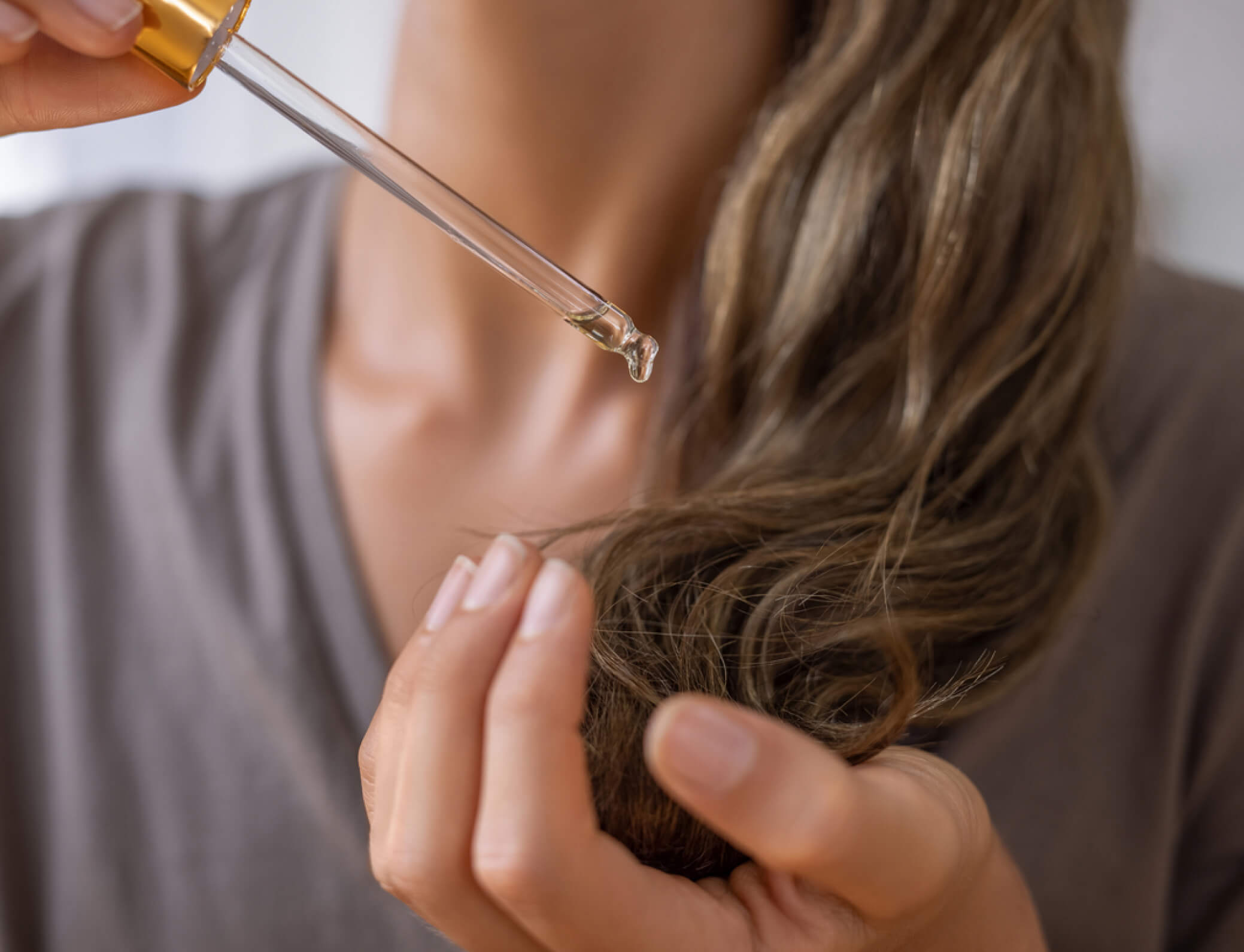
The normal morning hair-care routine may involve inhaling milligrams of potentially harmful pollutants, according to new research led by Nusrat Jung, an assistant professor at Purdue University’s Lyles School of Civil Engineering.
Published in Environmental Science & Technology, a journal of the American Chemical Society, the study found that several chemicals released from hair-care products can linger in indoor air. Among the chemicals of concern are cyclic volatile methyl siloxanes, which are commonly used in hair products.
Researchers found that a person could inhale between 1 and 17 milligrams of potentially hazardous substances during a single at-home hair-care session.
One of the most concerning chemicals identified was decamethylcyclopentasiloxane, or D5 siloxane, an organosilicon compound frequently listed among the first ingredients in hair-care products. It is widely used because of its low surface tension, chemical stability and smooth texture.
Jung said laboratory studies have linked exposure to D5 siloxane with adverse effects on the respiratory tract, liver and nervous system. The chemical has already faced restrictions in wash-off cosmetic products in the European Union. However, researchers said there is still limited information about the long-term effects of inhaling the chemical in humans.
The study also highlighted concerns about leave-on products, including hair gels, oils, creams, waxes and sprays, which have received considerably less research than wash-off products such as shampoos.
Heat styling could make the exposure even greater. Researchers found that heating hair-care products to 210°C, such as with curling irons and straighteners, increased chemical emissions by between 50% and 310%.
The researchers also warned that the impact may extend beyond individual homes. Indoor ventilation can carry siloxanes outdoors, where they can contribute to urban air pollution. In densely populated areas, emissions from hundreds or thousands of homes could accumulate and potentially re-enter buildings through ventilation systems.
Based on typical hair-care habits, the researchers estimated that indoor-to-outdoor emissions of D5 siloxane in the US could reach 0.4 to 6 metric tons annually, assuming that 10% of leave-on hair-care products are siloxane-based.
Researchers recommended avoiding products containing these chemicals where possible. For people who continue using them, adequate ventilation can significantly reduce exposure. According to the study, switching on a bathroom exhaust fan could reduce D5 inhalation exposure by more than 90%.
However, the researchers noted that ventilation also increases the amount of D5 released into the outdoor environment, highlighting the need for further research into the effects of these chemicals on both human health and the planet.
One of the most common questions people ask these days is how to lose belly fat. Belly fat...

Turtle doves picking fallen grain from Paddy fields, Cicada chirping on willow trees and the cackle of migratory...

Andre Agassi became one of the greatest tennis players in the world. Agassi’s father, Mike, a former Olympic...
Have you ever wondered how the words you speak can influence your thoughts, emotions, behavior, relationships and even...

Ac There’s no doubt that smoking can cause serious health related problems and also up the risk of...

Are you one of those who exercise daily but are still unable to lose weight? We might have...

Aries: The day will be auspicious...