Last Updated: October 22, 2026
Last Updated: October 22, 2026






Abhishek Vij
The single bench of Justice Harpreet Singh Brar of the Punjab and Haryana High Court has made observations on the quality of educational institutions that are enough to open the eyes of the common man. He clearly stated that educational regulatory bodies across the country have failed to enforce minimum educational standards in their institutions. These regulatory bodies should have ensured that the education imparted to the country’s young generation is scientific, cultured, and modern. However, it appears that they are simply following the same old pattern here.
Due to the negligence of regulatory bodies, even the examinations that decide the fate of young people every year are not conducted properly. We are not just talking about school and college examinations; we are also referring to competitive examinations that determine the fate of future generations in securing a good job. The judiciary’s biggest concern at present is the increasing fraud in the education sector. This fraud is constantly expanding, and there are no signs of change in the curriculum and textbooks being developed to educate young people. It has also been observed that quality standards are not fully implemented in these textbooks. The degrees distributed so arbitrarily not only jeopardize the future of young people but also endanger public interest.
Another national concern is the issue of fake degrees obtained through fraudulent means from recognized or unrecognized institutions, sometimes even used to secure jobs abroad. Although restrictions now exist, many young people who went abroad with fraudulent qualifications later struggled and faced a lower status.
The single bench’s biggest concern is the continued commercialization of education. This is true because nowadays, as soon as children are admitted to school, they are provided with first-class tuition, and parents consider their duty fulfilled. After that, commercialization takes hold. Whether it’s for common entrance exams or exams for high-profile jobs like the IAS, cities like Kota have sprung up, known for their academies, to tutor students or perhaps offer shortcuts. But let’s face the reality. In this changing technological era, have the curricula in our educational institutions and the skills of our teachers changed to the level expected by this increasingly digital and technological India?
Therefore, the rhetoric of change rings hollow. Sending teachers abroad is not enough: the main issue remains unaddressed—the need for institutions to offer modern, technical training and effective teacher preparation. Only then can the decline stop and graduates contribute meaningfully to the nation.
Good Evening Viewers! Get the latest updates from India and around the world with The Savera Times Evening...

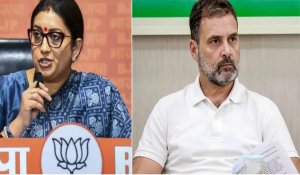
Bharatiya Janata Party (BJP) National General Secretary Smriti Zubin Irani launched a scathing attack on Congress MP and...
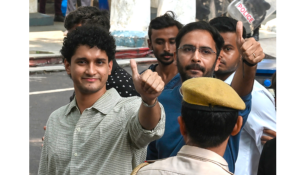
New Delhi: Cockroach Janata Party (CJP) leaders Saurav Das and Ashutosh Ranka will be released from judicial custody...
According to police, three suspicious young men are seen in CCTV footage. Efforts are underway to identify them....
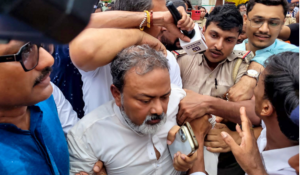
A video has surfaced of an alleged attempted assault on Jan Suraj Party's Bihar president Manoj Bharti. The...
Two accused have been convicted and sentenced to 10 years of rigorous imprisonment in a 2017 drug trafficking...
Aries: The day will be auspicious...