Last Updated: October 21, 2026
Last Updated: October 21, 2026





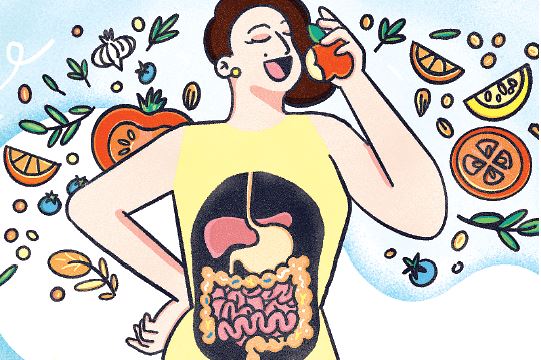
A healthy gut may play a significant role in improving mental health, including depression and anxiety, according to a new study. Mental health disorders affect nearly one in seven people globally, making them one of the most pressing health challenges worldwide. Researchers from the University of South Australia explored the intricate connections between the gut and the brain to understand their influence on mood, cognition, and overall wellbeing.
Their findings, published in *Nature Mental Health*, provide the strongest evidence yet that changes in the gut microbiome—the trillions of microbes in the digestive system—can directly impact brain chemistry. These microbes communicate with the brain through chemical signals and neural pathways, influencing stress responses, mood, and cognitive functions.“The gut–brain connection is one of the most exciting frontiers in mental health research,” said lead author Srinivas Kamath, a doctoral candidate at the university. “We already know these microbes talk to the brain, but the key question is whether changes in gut bacteria actually drive mental illness or simply reflect other processes in the body.”
The study reviewed evidence from animal models and human research, finding strong causal links between gut microbes and mental health. Animal studies show that altering gut bacteria can change brain chemistry, stress responses, and behavior. In humans, disrupted gut microbiomes are observed in conditions such as depression and schizophrenia.
Early clinical interventions targeting the gut show promise. Trials using probiotics, dietary modifications, and fecal microbiota transplants have demonstrated improvements in mood and anxiety symptoms. Additionally, psychiatric medications themselves can alter the gut microbiome, further highlighting the gut-brain connection.
Globally, mental health disorders affect nearly 970 million people, with depression and anxiety among the leading causes of disability. Yet up to one-third of patients do not respond adequately to existing treatments, underscoring the urgent need for new, accessible therapeutic options.
“If we can confirm that gut bacteria play a direct role in mental illness, it could transform how we diagnose, treat, and even prevent these conditions,” said co-researcher Dr Paul Joyce. “Microbiome-based therapies—such as probiotics, prebiotics, or tailored diets—may offer safe, low-cost, and culturally adaptable options that complement existing care.”
The researchers emphasized the need for larger, long-term studies across diverse populations to understand how diet, environment, and cultural factors influence the gut-brain relationship. Tracking changes in gut microbiota over time could help clarify the causal role of microbes in mental health and guide the development of targeted, microbiome-informed therapies.
As understanding of this connection grows, the gut may emerge not only as a key contributor to mental health but also as a potential avenue for innovative, personalized treatments that are accessible worldwide.
Reduced water levels at Har Ki Pauri and other Haridwar ghats have inconvenienced pilgrims during the Upper Ganga...

Six people returning from a Dussehra Mela were seriously injured when a car hit them on National Highway...

A bus travelling from Pachiound to Ramnagar fell into a gorge at Gulli Gula in Udhampur district. Nine...

Start your day with The Savera Morning Brief, bringing you the latest news from India and around the...

Union Home Minister Amit Shah will pay tribute to police martyrs at the National Police Memorial in New...

Four more people, including two women, have been arrested in the Tiger Shroff firing case. Delhi Police are...

Aries: The day will be auspicious...