Last Updated: October 21, 2026
Last Updated: October 21, 2026





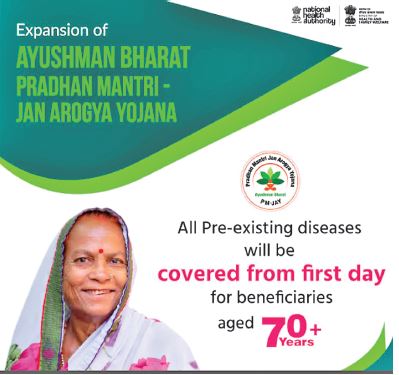
Punjab’s health indicators have long been paradoxical: higher income than the national average, yet worse outcomes on drugs, diabetes and cancer clusters. In 2025, the Centre’s schemes are stitching a safety net thick enough to matter.
The backbone is Ayushman Bharat–PM-JAY. Covering rs5 lakh per family, it now protects ~55 crore Indians (12 crore families). In October 2024, the Centre expanded it to all citizens 70 years and above, irrespective of income—a move directly relevant to Punjab’s ageing agrarian households. Claims are settled via a common IT grid, reducing fraud and delays.
Punjab has added ambition. On July 8, 2025, it rolled out the Mukh Mantri Sehat Yojana—rs10 lakh cover for every family. Treated together, the two schemes mean Punjab is now India’s most comprehensively insured state. But the Centre provides the rails: portability across states, claims processing standards, and the data architecture. The PM-ABHIM (rs64,180 crore outlay to 2025–26) is filling gaps exposed during COVID: critical care blocks, disease labs, and surveillance systems.
On the ground, Ayushman Arogya Mandirs—1.75+ lakh nationwide by end-2024—are Punjab’s entry point to modern primary care. For a farmer’s family in Mansa, this is the difference between a village clinic and a district hospital trip.Medicines are the other half of affordability. The Jan Aushadhi network—16,912 Kendras nationwide—offers generics at 50–80% less. Coupled with Ayushman package pricing, this can push down out-of-pocket expenses, which still account for nearly 50% of health spending.
Public health campaigns are reaching scale. The Ayushman Bhav campaign registered crores nationally, linking screenings with ABHA digital health IDs. The HIV prevalence rate remains ~0.20% nationally, but Punjab, flagged for rising trends, benefits from continued central support under the National AIDS and STD Control Programme. Screening camps for anemia, diabetes and hypertension—backed by the Centre’s women’s health initiatives—are catching disease earlier than ever.
Challenges remain: rural awareness is low, ABHA IDs underused, and 20% of health projects face implementation delays, as audits show. But for once, these are second-generation problems. The first-generation crisis—catastrophic health expenditure pushing families into debt—is finally being tackled. The health system Delhi is building is not glamorous, but it is foundational: finance through PM-JAY, facilities via PM-ABHIM, medicines under Jan Aushadhi, and digital records through ABHA.
Punjab’s own schemes can layer ambition onto this base. The net effect? A state once known for its opioid wards could become the pilot of universal, integrated
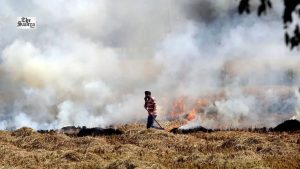
Punjab has reported 404 stubble-burning incidents, with Tarn Taran and Amritsar accounting for the highest numbers. Authorities have...
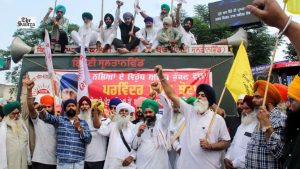
The CBI has taken over the investigation into anti-drug activist Parvinder Singh Jhota’s killing in Mansa and registered...
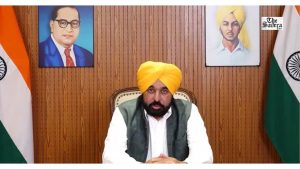
Punjab Chief Minister Bhagwant Mann was allegedly detained for three hours at Delhi airport upon his return from...

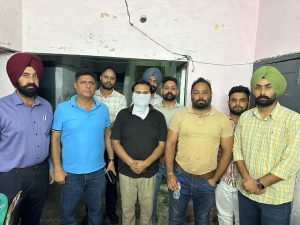
The Punjab Vigilance Bureau (VB) during its ongoing drive against corruption in the state, has apprehended Inspector Gulshan...
Chief Minister Bhagwant Mann may soon hold a press conference or release a video message amid Union Home...
Punjab Cabinet Minister Aman Arora welcomed Union Home Minister Amit Shah's visit to Punjab on Tuesday. However, he...