June 11, 2026
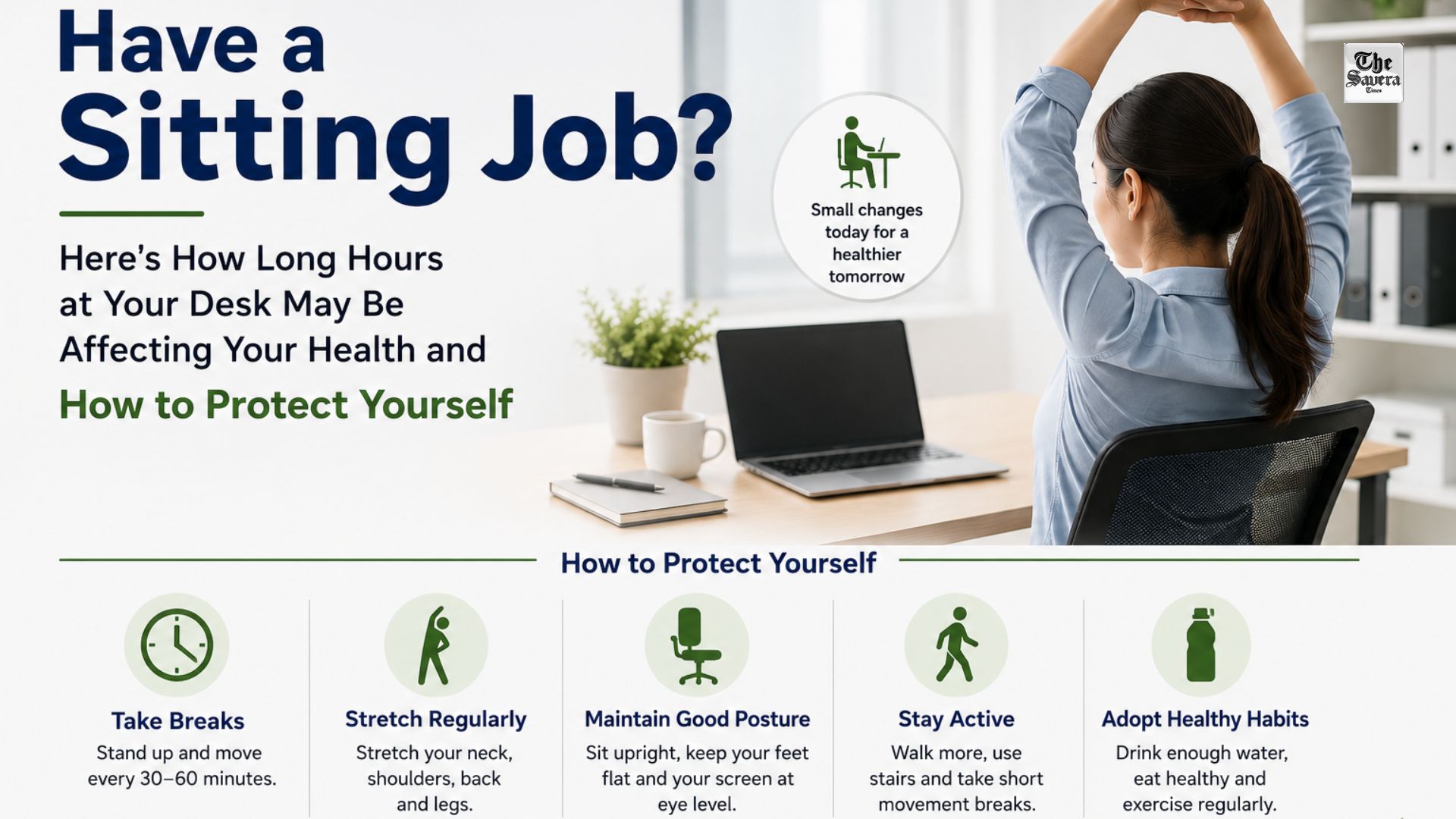
Long hours at a desk have become a normal part of life for millions of professionals. Whether working in information technology, finance, customer service, administration, education, or other office-based roles, employees often spend eight to ten hours seated in front of a computer screen. While these jobs may not involve heavy physical activity, health experts say prolonged sitting can quietly affect the body and mind in ways many people fail to notice until symptoms become difficult to ignore.
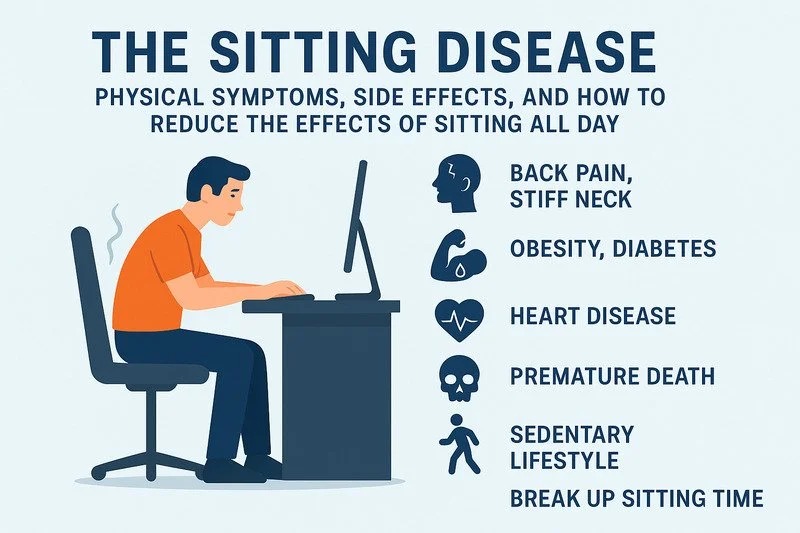
A growing body of research suggests that a sedentary lifestyle can contribute to a range of health issues, from back pain and poor posture to obesity, cardiovascular problems, and reduced mental well-being. As remote and hybrid work arrangements continue to gain popularity, experts are encouraging workers to become more aware of the risks associated with prolonged sitting and adopt simple habits that can help protect their health.
Why Sitting for Long Hours Is a Health Concern

The human body is designed for movement. When a person remains seated for extended periods, the body’s muscles burn fewer calories, blood circulation slows down, and joints become less active. Over time, this lack of movement can negatively affect several systems within the body.
One of the most common complaints among office workers is musculoskeletal pain. Sitting in the same position for hours can place excessive pressure on the spine, particularly the lower back. Poor desk ergonomics can also contribute to neck stiffness, shoulder tension, and wrist discomfort. These issues often begin as mild discomfort but may develop into chronic pain if left unaddressed.
The Connection Between Sitting and Lifestyle Diseases
Health professionals have increasingly linked prolonged sitting with a higher risk of lifestyle-related diseases. A sedentary routine can contribute to weight gain because the body burns fewer calories throughout the day. Reduced physical activity may also affect insulin sensitivity, increasing the risk of developing Type 2 diabetes.
Studies have shown that sitting for prolonged periods can negatively impact heart health. Reduced movement affects blood flow and may contribute to higher blood pressure and cholesterol levels over time. While regular exercise is beneficial, experts note that even individuals who work out after office hours should avoid remaining seated for long uninterrupted stretches during the day.
How Desk Jobs Affect Mental Well-Being
The impact of sitting jobs extends beyond physical health. Spending long hours in front of screens without sufficient movement can lead to mental fatigue, stress, and reduced concentration. Employees who rarely take breaks may experience lower productivity and increased feelings of exhaustion by the end of the workday.
Additionally, excessive screen time can contribute to eye strain, commonly referred to as digital eye strain or computer vision syndrome. Symptoms may include dry eyes, blurred vision, headaches, and difficulty focusing. Combined with workplace stress, these factors can significantly affect overall well-being.
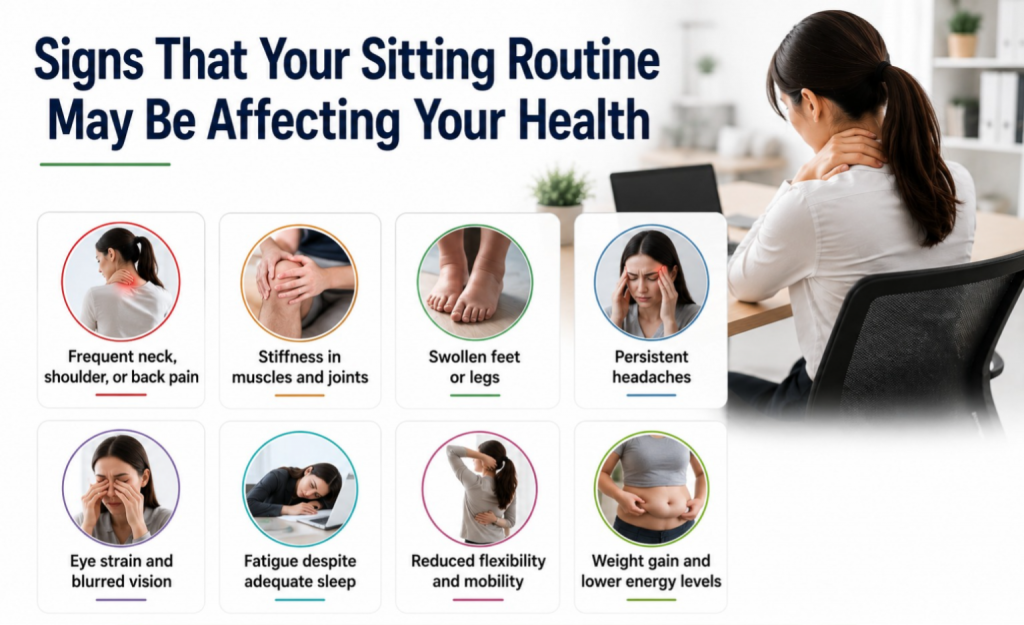
Signs That Your Sitting Routine May Be Affecting Your Health

Many workers overlook early warning signs that indicate their bodies are struggling with prolonged inactivity. Common symptoms include:
Recognising these signs early can help individuals take corrective action before the problems become more serious.
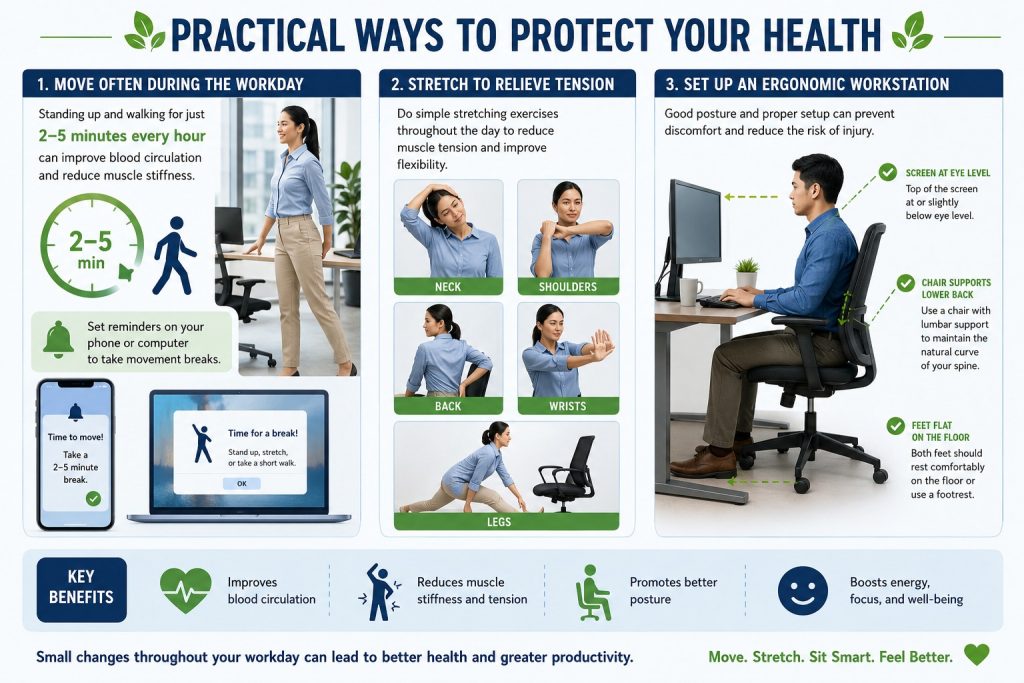
Practical Ways to Protect Your Health
Experts recommend incorporating movement into the workday rather than relying solely on exercise outside office hours. Standing up and walking for just two to five minutes every hour can improve blood circulation and reduce muscle stiffness. Setting reminders on a phone or computer can help workers remember to take movement breaks.

Stretching exercises targeting the neck, shoulders, back, wrists, and legs can also help relieve tension. Employees who spend most of their day at a computer should ensure their workstation is ergonomically designed. Ideally, the computer screen should be positioned at eye level, the chair should support the lower back, and both feet should rest comfortably on the floor.
The Importance of Staying Active Beyond the Office
While workplace habits matter, maintaining an active lifestyle outside work is equally important. Activities such as walking, jogging, cycling, swimming, yoga, or strength training can help offset some of the negative effects of prolonged sitting.

Health experts generally recommend at least 150 minutes of moderate-intensity physical activity each week. Regular exercise not only supports cardiovascular health and weight management but also improves mood, sleep quality, and overall energy levels.
Small Changes Can Deliver Big Results
Simple daily habits can make a significant difference. Taking the stairs instead of the elevator, walking while speaking on the phone, drinking enough water, standing during meetings when possible, and stretching during breaks are all effective ways to stay active.
For those working from home, creating a dedicated workspace and avoiding working continuously from a couch or bed can also improve posture and reduce physical strain.
Building a Healthier Work Routine
Having a desk job does not automatically mean poor health. The key lies in balancing work responsibilities with regular movement and healthy lifestyle choices. By paying attention to posture, taking frequent breaks, exercising regularly, and addressing discomfort early, workers can significantly reduce the risks associated with prolonged sitting.
As modern workplaces continue to evolve, health experts agree on one message: movement is essential. Even small changes in daily routines can have a lasting impact on physical health, mental well-being, and overall quality of life.
7 hours ago
Self-medication is a global phenomenon and a potential contributor to antimicrobial resistance. The adverse consequences of such practices...
2 days ago
There is a crucial link and health and the current status of Delhi stands as a testimony to...
2 days ago
(Can we remove pain forever) A young woman, Ivy, once entered past-life regression therapy because her present relationship...
3 days ago
Scientists at the University of California, San Francisco (UCSF) and the University of California, Berkeley have identified two...
5 days ago
Are you wondering why your waistline is expanding? Don’t watch what you eat; watch how you eat. People...
6 days ago
The Central Drugs Standard Control Organization (CDSCO) has issued a public health alert regarding the sale of certain...
Aries: The day will be auspicious...