Last Updated: October 21, 2026
Last Updated: October 21, 2026





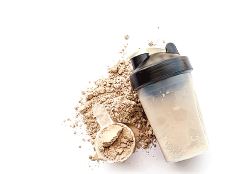
Protein shakes have become a routine part of fitness culture — an easy way to refuel muscles or replace meals. But new findings suggest these powders may carry hidden health risks.
A recent investigation by Consumer Reports, a US-based non-profit known for product testing, found widespread contamination of heavy metals such as lead and cadmium in protein powders and ready-to-drink shakes. The report warned that many of these popular supplements, including plant-based ones, contain toxic levels of metals far exceeding safe limits.
“Protein powders and shakes have become immensely popular,” said Brian Ronholm, director of food policy at Consumer Reports. “But our tests found that toxic heavy metal contamination is widespread and has worsened since we first analysed these products 15 years ago.”
Researchers tested 23 protein powders and drinks and found that over two-thirds contained lead above recommended levels. In several cases, a single serving exceeded the safe daily limit for lead, with some products registering over ten times the acceptable amount. Chocolate-flavoured versions were found to be particularly contaminated, containing up to four times more lead and 110 times more cadmium than vanilla varieties.
According to the US Food and Drug Administration (FDA), the safe daily limit for lead is 2.2 micrograms for children and 8.8 micrograms for women of childbearing age. However, the study found that Naked Nutrition’s Vegan Mass Gainer contained 7.7 micrograms of lead per serving, while Huel’s Black Edition had 6.3 micrograms.
Plant-based protein powders were the most contaminated, showing nine times more lead than whey-based products and twice the amount found in beef-based ones. Even among dairy-based powders, nearly half exceeded recommended limits.
Experts warn that heavy metals like lead can accumulate in the body and cause long-term harm. Dr Pieter Cohen of Harvard Medical School said chronic exposure could lead to neurological problems and organ damage. Jenna Forsyth of Stanford University’s Project Unleaded added that the findings are especially concerning for pregnant women, as lead exposure can affect fetal growth and increase risks of preterm birth and high blood pressure.
Consumer Reports suggested limiting protein powder intake to no more than once a week, particularly for those who use them daily. While the group noted there is “no reason to panic,” it advised choosing products certified by independent testing agencies such as USP or NSF to reduce contamination risks.
Dr Cohen stressed that most people can easily meet their protein needs through food. “We should be asking ourselves whether these supplements add more risk than benefit,” he said.
Reduced water levels at Har Ki Pauri and other Haridwar ghats have inconvenienced pilgrims during the Upper Ganga...

Six people returning from a Dussehra Mela were seriously injured when a car hit them on National Highway...

A bus travelling from Pachiound to Ramnagar fell into a gorge at Gulli Gula in Udhampur district. Nine...

Start your day with The Savera Morning Brief, bringing you the latest news from India and around the...

Union Home Minister Amit Shah will pay tribute to police martyrs at the National Police Memorial in New...

Four more people, including two women, have been arrested in the Tiger Shroff firing case. Delhi Police are...
Aries: The day will be auspicious...