Last Updated: October 20, 2026
Last Updated: October 20, 2026





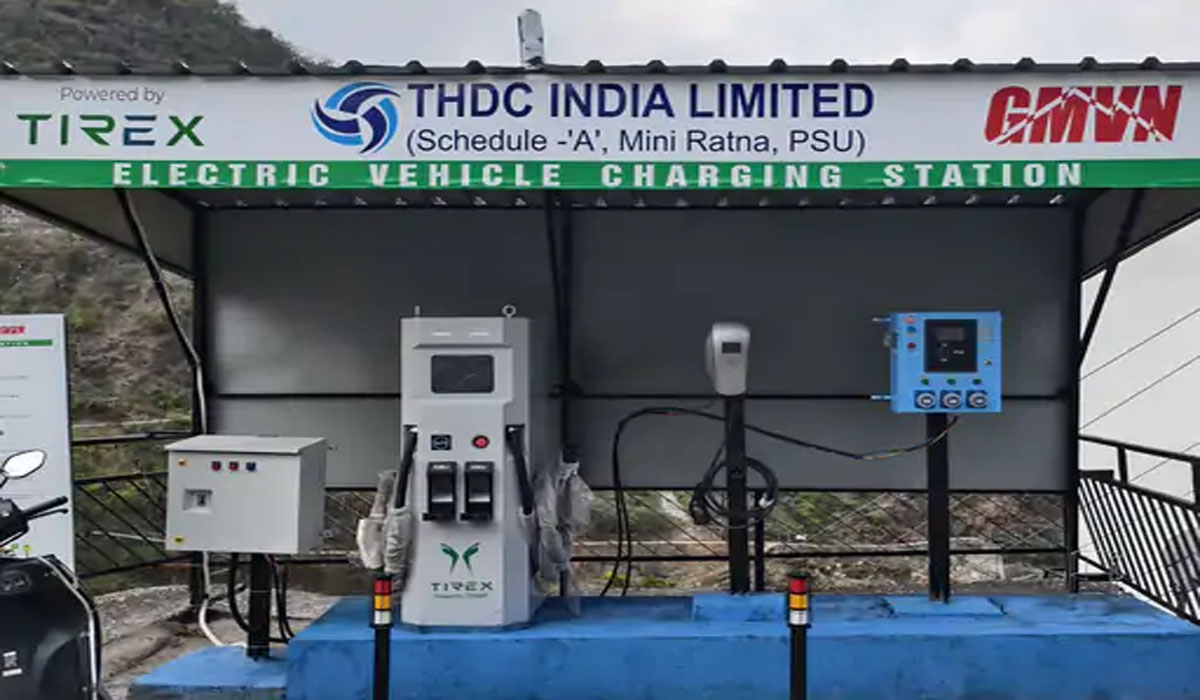
Now, the HRTC will establish 80 e-charging stations in the state. This will cover both urban and rural areas. HRTC has prepared a revised DPR for this purpose and submitted it to NABARD. After receiving approval, construction of the e-charging stations will begin. Initially, the plan was to build 53 e-charging stations in the state. A DPR was also prepared for this purpose, but now the corporation has made changes to it and decided to connect most areas of the state with this facility.
The revised DPR now proposes to build 80 charging stations instead of 53. The government is promoting e-vehicles to promote environmental protection. In view of this, e-buses are being purchased.
Anticipating a potential increase in the number of e-vehicles in the future, steps are also being taken to establish e-charging stations. This will also reduce the government’s dependence on fossil fuels. HRTC has been working on this plan for the past year, however, due to changes in the DPR, construction of the e-charging stations has not yet begun.
NABARD has agreed to provide a loan of ₹128 crore.
The National Bank for Agriculture and Rural Development (NABARD) has agreed to provide a loan of approximately ₹128 crore for the establishment of e-charging stations in the state. NABARD has also released the first installment of ₹35 crore for the project. Under the scheme, 90% of the cost will be borne by NABARD, while the state government will provide the remaining 10%.
Shimla: The Himachal Pradesh government has constituted a four-member commission to examine the reorganisation of administrative units in...
Keylong, Himachal Pradesh: Union Health Minister JP Nadda on Monday laid the foundation stone for the Indian Council...
President Droupadi Murmu is on a three-day Himachal Pradesh visit from October 6 to 8, including the first...

Shimla Municipal Corporation has launched a 10-day mass anti-rabies vaccination drive across 34 wards, targeting more than 4,000...

A fresh spell of snowfall has transformed the higher reaches of Manali into a picturesque winter landscape, with...
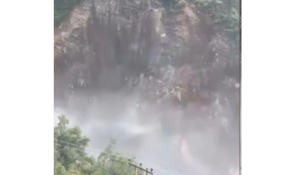
A major landslide occurred in the Chirgaon area of Shimla district, Himachal Pradesh, on Monday morning.
Aries: The day will be auspicious...