Last Updated: October 20, 2026
Last Updated: October 20, 2026





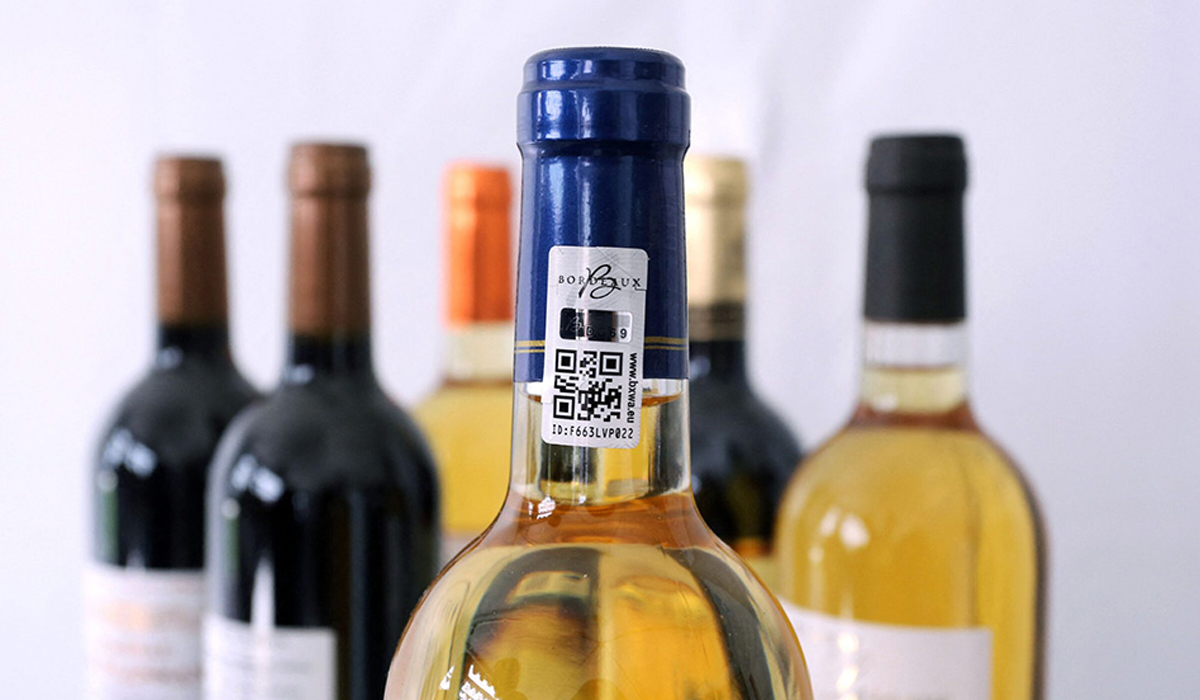
Under the new excise regime in Himachal Pradesh, a QR code system has been implemented. This code has become mandatory on every bottle of liquor filled and packaged after March 31. New bottles lacking a QR code will not be sold; only existing stock will be permitted to be sold without a QR code.
Under this new system, as soon as a consumer scans the QR code affixed to a bottle using a mobile phone, they will instantly receive information regarding the Maximum Retail Price (MRP), manufacturing date, batch number, manufacturer’s name, validity period, and licensing details. This will enable buyers to verify the price on the spot and immediately file a complaint should any discrepancy arise.
Previously, the MRP was merely printed on the label, a practice that frequently led to complaints regarding overcharging and tampering.
With the introduction of this new digital system, the price displayed upon scanning will be the only legally valid price. This will provide consumers with protection against fraud. If any liquor outlet charges an amount exceeding the MRP displayed in the QR code, consumers will be able to file a complaint accompanied by supporting evidence.
Departmental inspection teams will also conduct on-the-spot scanning during their rounds to verify prices and stock levels, thereby ensuring more precise enforcement action. This system will maintain a digital record for every bottle, thereby strengthening oversight of the supply chain.
It will facilitate the easy identification of illicit or counterfeit liquor, enabling immediate action against any suspicious batches. Furthermore, manufacturing companies will now be able to update the MRP directly via a digital platform.
Dr. Rajiv Dogra, Additional Commissioner at the State Taxes and Excise Headquarters, stated that this regulation will be strictly enforced for all new stock produced after March 31. Existing stock will be phased out in a gradual manner to ensure that there is no disruption to the market.
Shimla: The Himachal Pradesh government has constituted a four-member commission to examine the reorganisation of administrative units in...
Keylong, Himachal Pradesh: Union Health Minister JP Nadda on Monday laid the foundation stone for the Indian Council...
President Droupadi Murmu is on a three-day Himachal Pradesh visit from October 6 to 8, including the first...

Shimla Municipal Corporation has launched a 10-day mass anti-rabies vaccination drive across 34 wards, targeting more than 4,000...

A fresh spell of snowfall has transformed the higher reaches of Manali into a picturesque winter landscape, with...
A major landslide occurred in the Chirgaon area of Shimla district, Himachal Pradesh, on Monday morning.
Aries: The day will be auspicious...