Last Updated: October 12, 2026
Last Updated: October 12, 2026





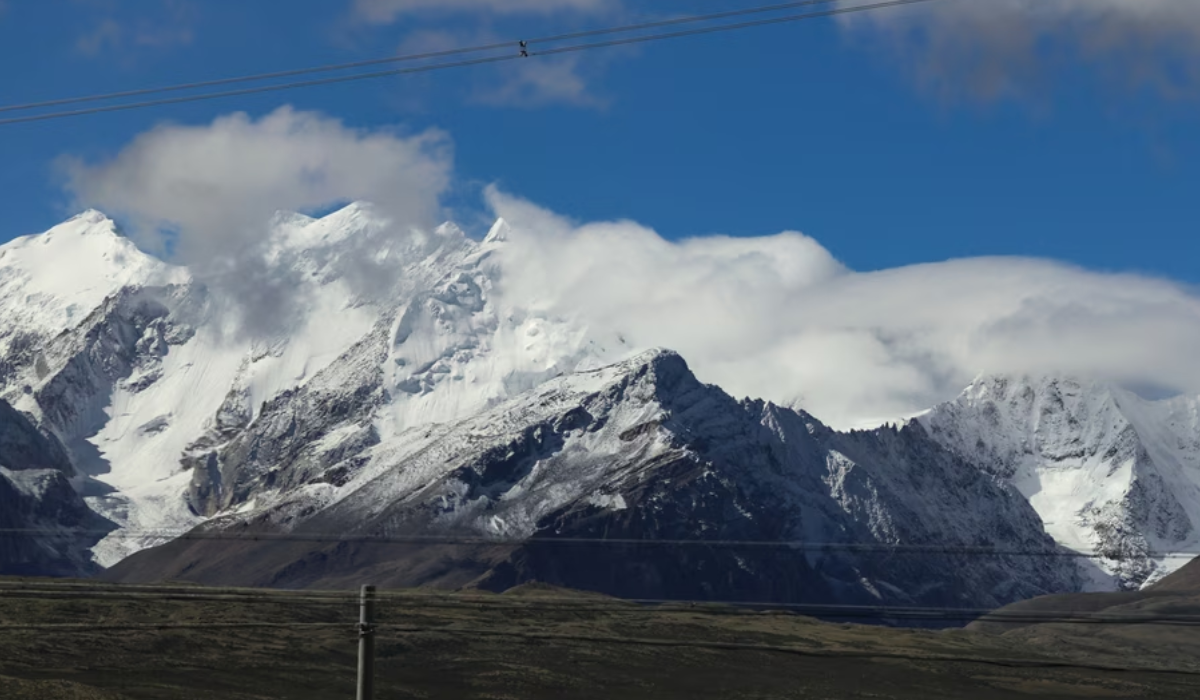
The rate of glacier melt in the Himalayan region is steadily increasing. According to a new study, the rate of glacier melt is now approximately 65% higher than a decade ago. The report cites climate change as a major factor, along with black carbon pollution.
How does black carbon accelerate glacier melting?
Black carbon is a pollutant released from the incomplete combustion of fuels and biomass. When its particles accumulate on the surface of snow and glaciers, the snow’s ability to reflect sunlight is reduced. This causes more heat to be absorbed, leading to faster glacier melt.
According to the study, black carbon is believed to be responsible for a significant portion of the glacier melting. Pollution from South Asia is also affecting the glaciers of the Himalayas and the Tibetan Plateau.
Water security could be at risk
The rapid melting of Himalayan glaciers could raise concerns about water availability, agriculture, and populations dependent on glacier-fed rivers. The report also lists approximately 200 glacial lakes in India as vulnerable.
According to experts, continuous monitoring of glacier changes is essential, along with reducing emissions of black carbon and other pollutants. Long-term strategies and better preparedness are also needed to address the increasing impacts of climate change.
The Delhi Police has registered an FIR regarding the alleged disturbance at the Bangla Sahib Gurdwara in...

The Delhi Police on Monday removed Jantar Mantar from the list of officially designated protest sites. The police...

The Supreme Court on Monday clarified that it has not passed any judgment on the Election Commission's (ECI)...

The Kerala Assembly passed a resolution demanding the removal of Chief Election Commissioner (CEC) Gyanesh Kumar from his...
Amidst heavy security and barricades by the Delhi Police, INDIA Bloc leaders began a protest march towards the...

The Reserve Bank of India (RBI)'s new measures to curb speculation in the rupee and maintain stability in...