


The ongoing war involving Iran has entered its second month, with the conflict expanding across multiple fronts in the Middle East. What began as a direct confrontation has now drawn in several regional actors, raising fears of a wider and prolonged war.
The situation has escalated significantly in recent days, with missile strikes, drone attacks, and growing military involvement from allied groups across the region.
Houthis open new front in conflict
In a major escalation, Yemen’s Iran-aligned Houthi movement has officially entered the conflict, opening a new front by launching missile and drone attacks. The group targeted Israel, marking its first direct military involvement since the war began.
The Houthis claimed responsibility for the attacks, stating they were acting in support of Iran and its allies. Reports indicate that multiple missiles were fired, though most were intercepted by defence systems.
This move significantly widens the scope of the war, bringing Yemen into the already volatile regional conflict.
Expansion of regional conflict
The entry of the Houthis highlights the growing involvement of Iran-aligned groups across the Middle East. Hezbollah in Lebanon and other factions have also intensified their activities, contributing to a multi-front conflict.
Experts warn that such developments increase the risk of a broader regional war, as multiple countries and non-state actors become directly involved.
The conflict is no longer confined to a single battleground but has spread across several countries, including Israel, Lebanon, Syria, and Gulf regions.
Threat to global trade and energy routes
The Houthis’ involvement has raised serious concerns about global shipping and energy supply chains. The group has previously targeted vessels in the Red Sea, and analysts fear that similar actions could resume.
Strategic routes like the Bab al-Mandab Strait and the Red Sea are crucial for international trade. Any disruption could lead to delays, increased shipping costs, and volatility in global oil prices.
With the Strait of Hormuz already under pressure, a second maritime front could significantly impact global markets.
Military escalation continues
The war has seen a steady rise in military activity, including airstrikes, missile launches, and troop deployments. Iranian forces have carried out retaliatory strikes, while the United States and its allies have increased their presence in the region.
Recent reports also indicate attacks on military bases, infrastructure, and key installations, further intensifying the conflict.
Despite international calls for restraint, the pace of escalation shows little sign of slowing down.
Diplomatic efforts struggle to contain crisis
Amid the growing conflict, diplomatic efforts are underway to de-escalate tensions. Countries like Pakistan, Turkey, Saudi Arabia, and Egypt are engaging in talks to find a peaceful resolution.
However, progress remains limited as ongoing military actions continue to undermine negotiation efforts. The involvement of multiple stakeholders has made it increasingly difficult to reach a consensus.
Humanitarian and global impact
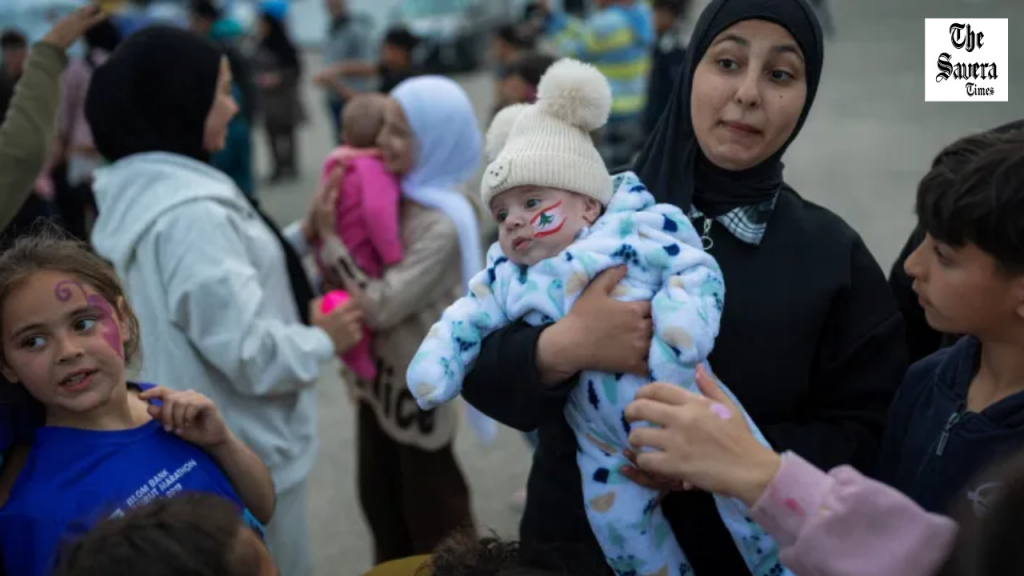
The prolonged conflict has triggered a humanitarian crisis, with thousands displaced and critical infrastructure damaged. Civilian casualties continue to rise, and access to essential services has been severely affected in several areas.
Globally, the war is impacting energy supplies, trade routes, and financial markets, creating uncertainty for economies already dealing with inflation and supply chain disruptions.