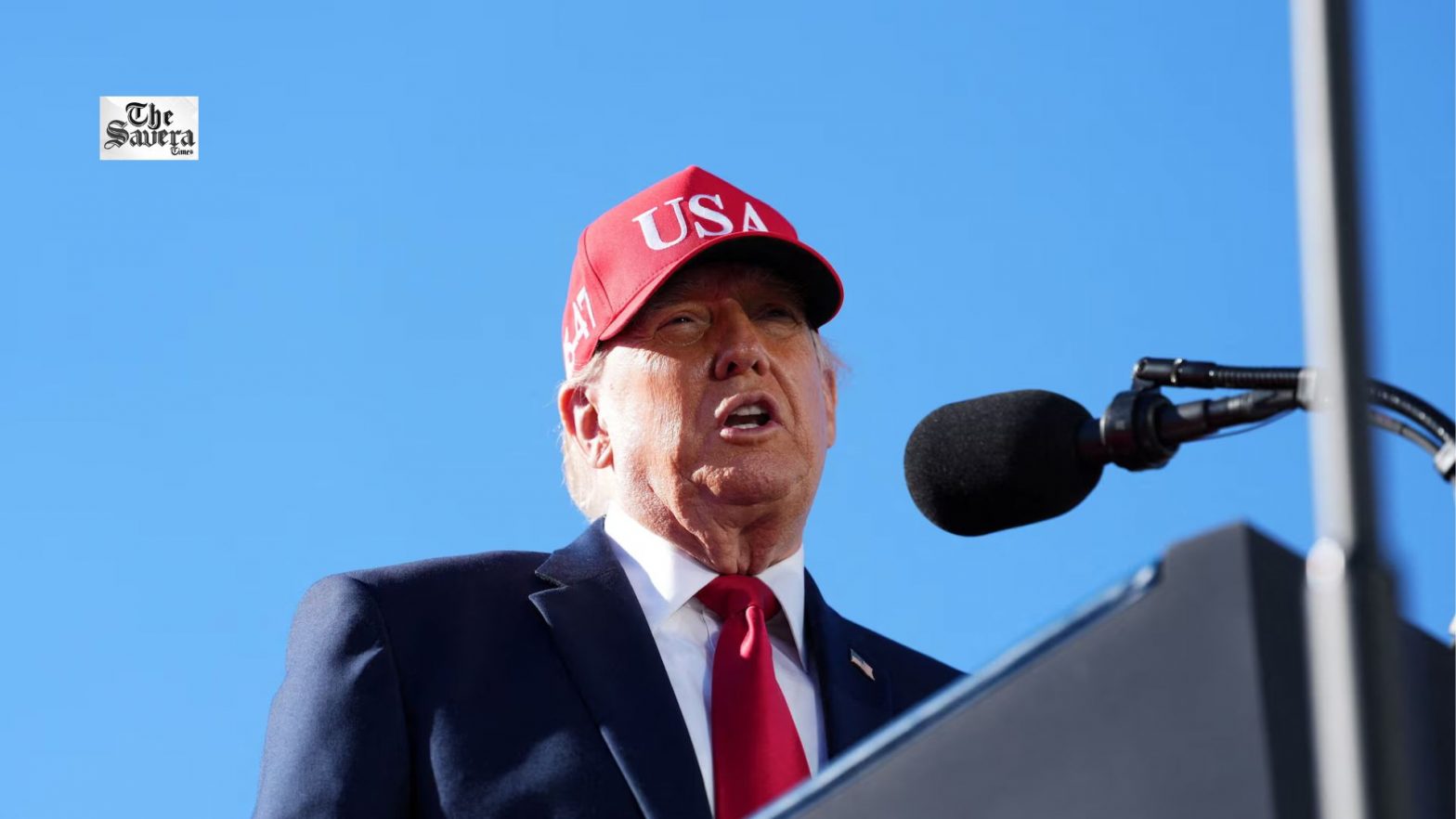
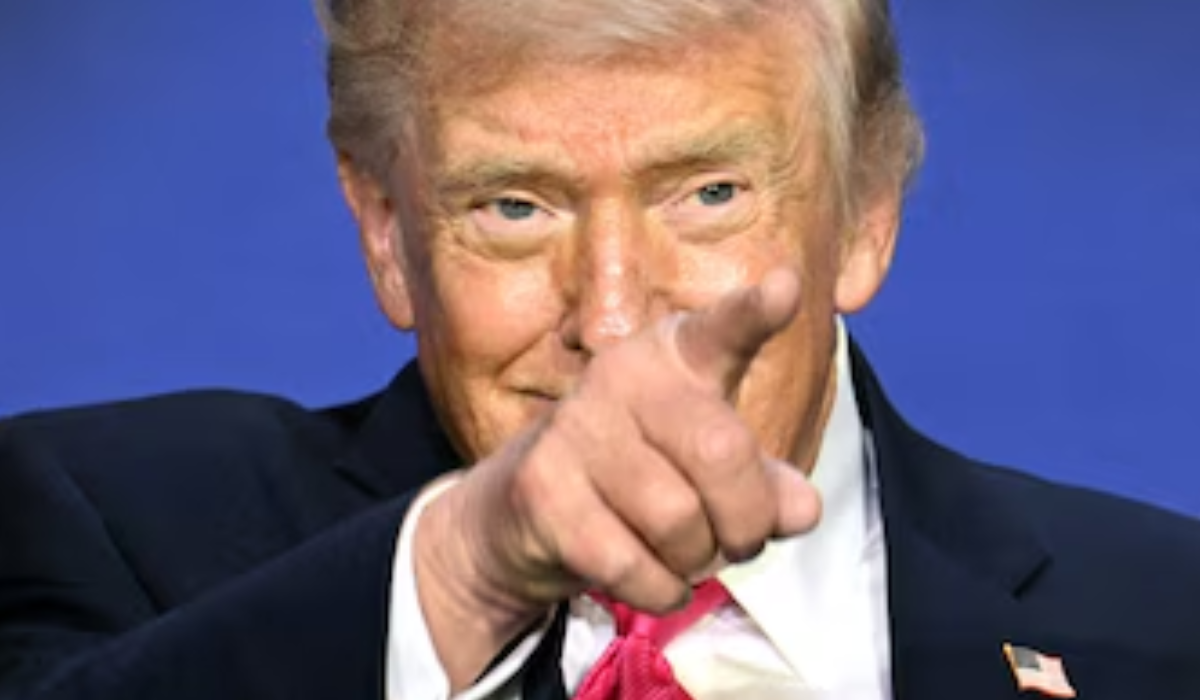
US President Donald Trump says the Iran conflict will end soon and predicts a sharp fall in oil prices, while insisting Tehran will never acquire a nuclear weapon.
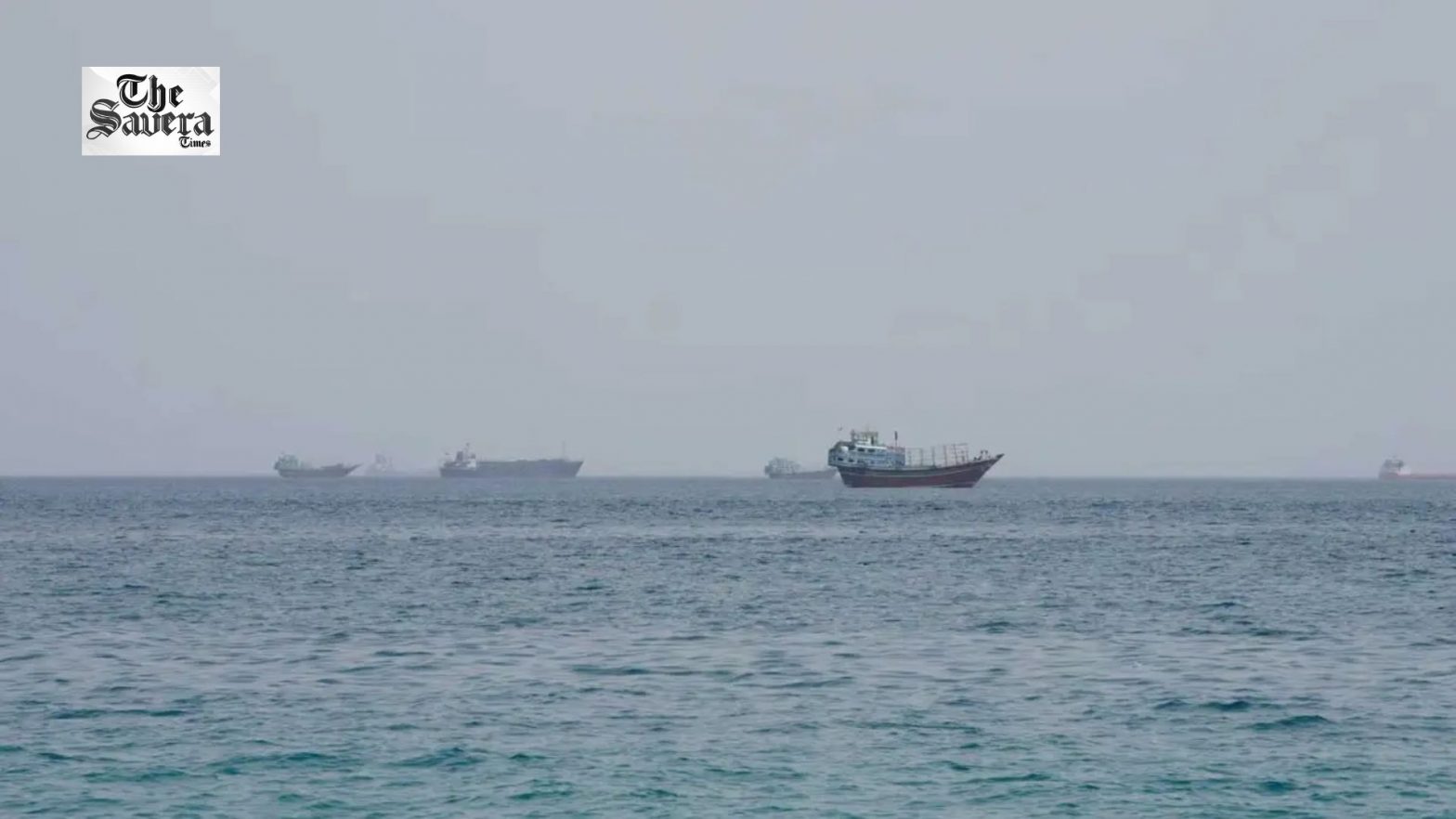
Despite ceasefire announcements, the war between the US and Iran continues. Gradually, this conflict has come to center on the Strait of Hormuz. Hormuz is the main route through which Gulf countries supply crude oil and natural gas to most countries around the world. This supply is not small, as it accounts for onethird of.
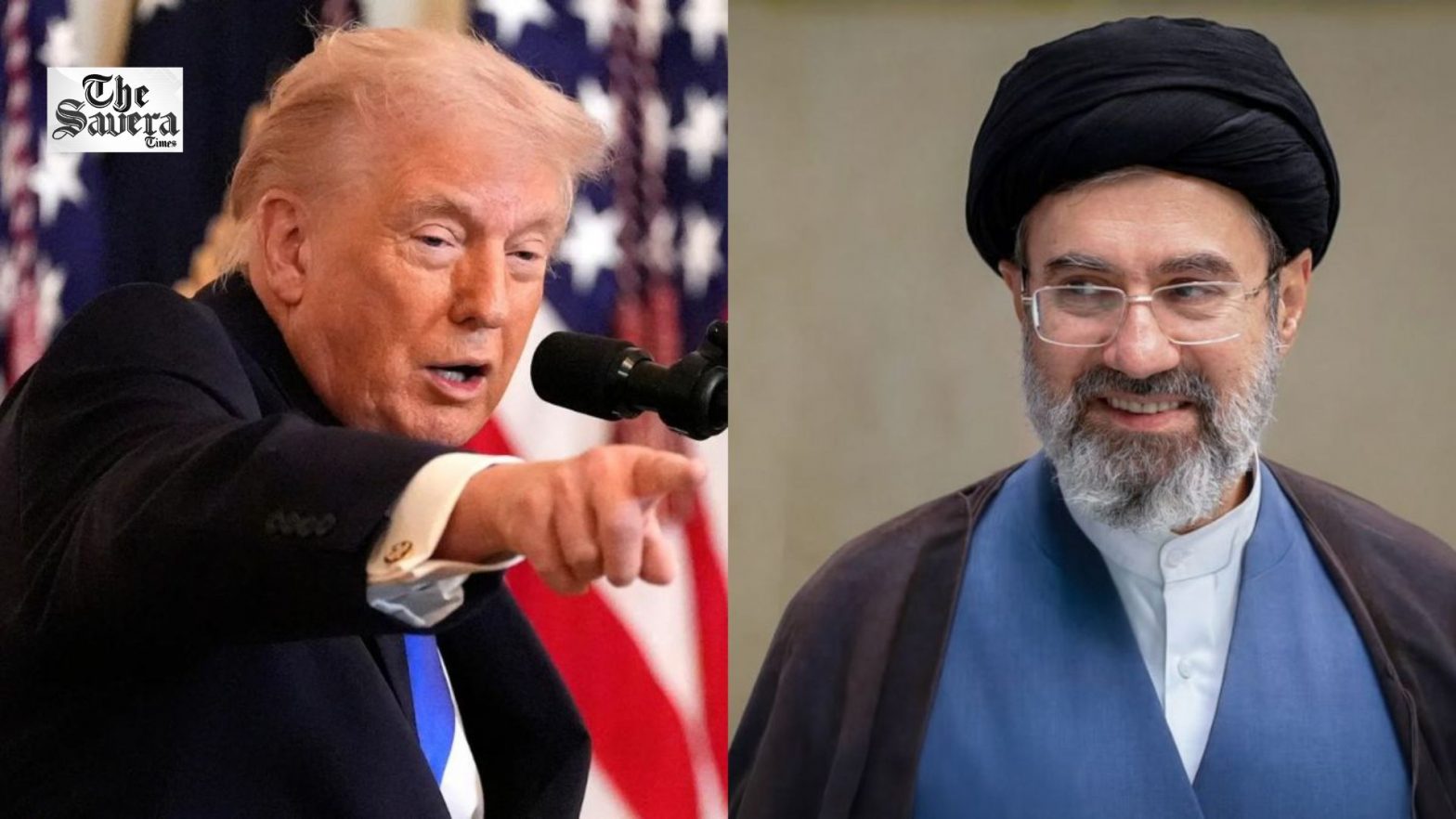
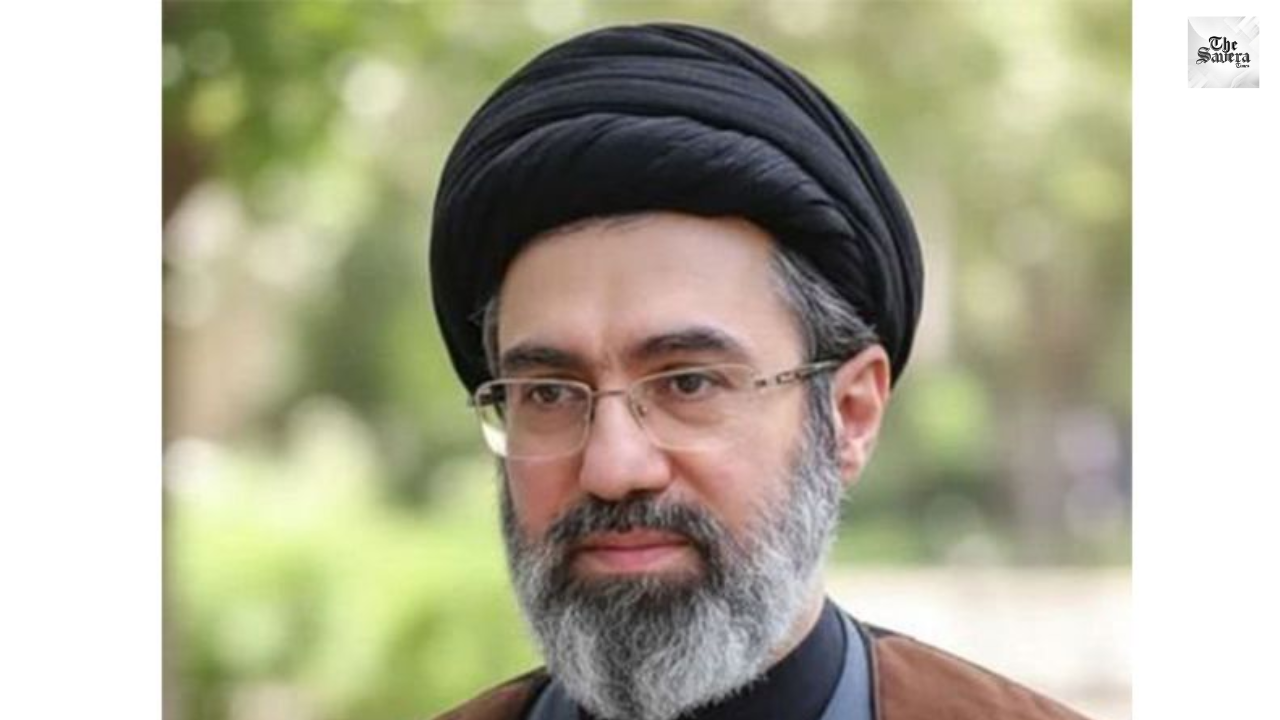
Washington: US President Donald Trump has said he believes Iranian Supreme Leader Ayatollah Mojtaba Khamenei is still alive but was “very seriously wounded” during ongoing military operations, as the war between the United States and Iran continues. “I don’t think he’s dead. He was very seriously wounded,” Trump said in an interview with conservative broadcaster.
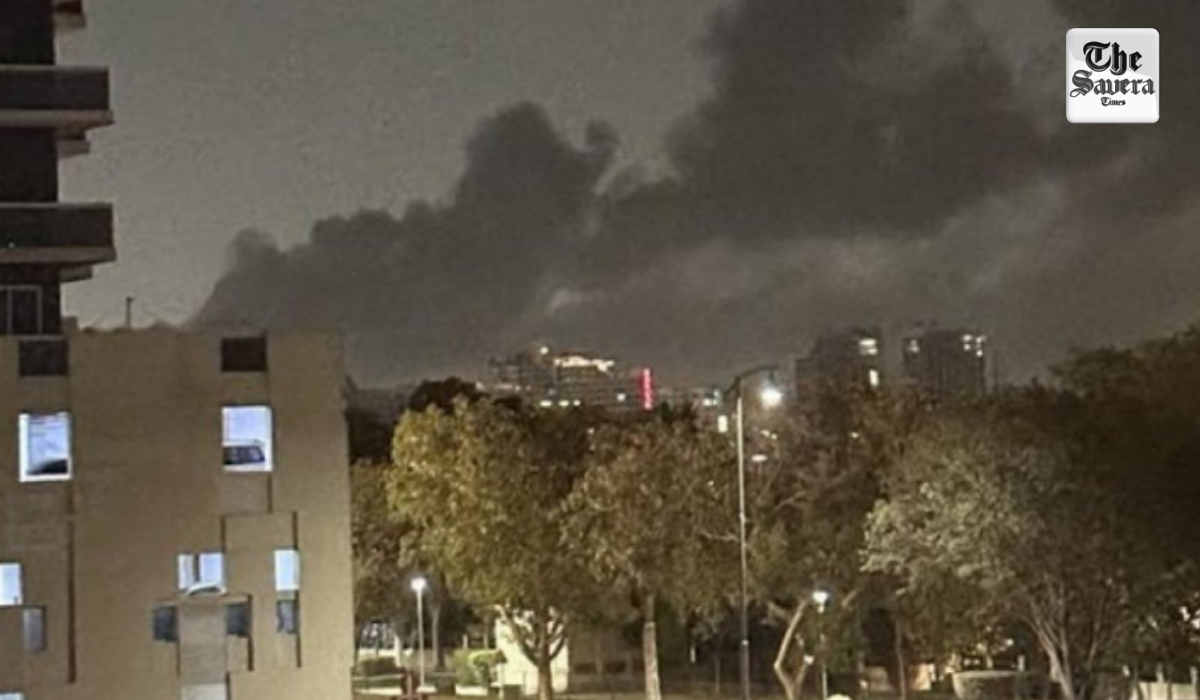
Dubai, UAE: Multiple explosions followed by a significant fire were reported along the coast of the United Arab Emirates early Wednesday morning. Iranian broadcaster Press TV, citing Arabic-language media and regional sources, reported that at least seven blasts were heard within a 20-minute span across the Jebel Ali industrial area in Dubai. Press TV further.
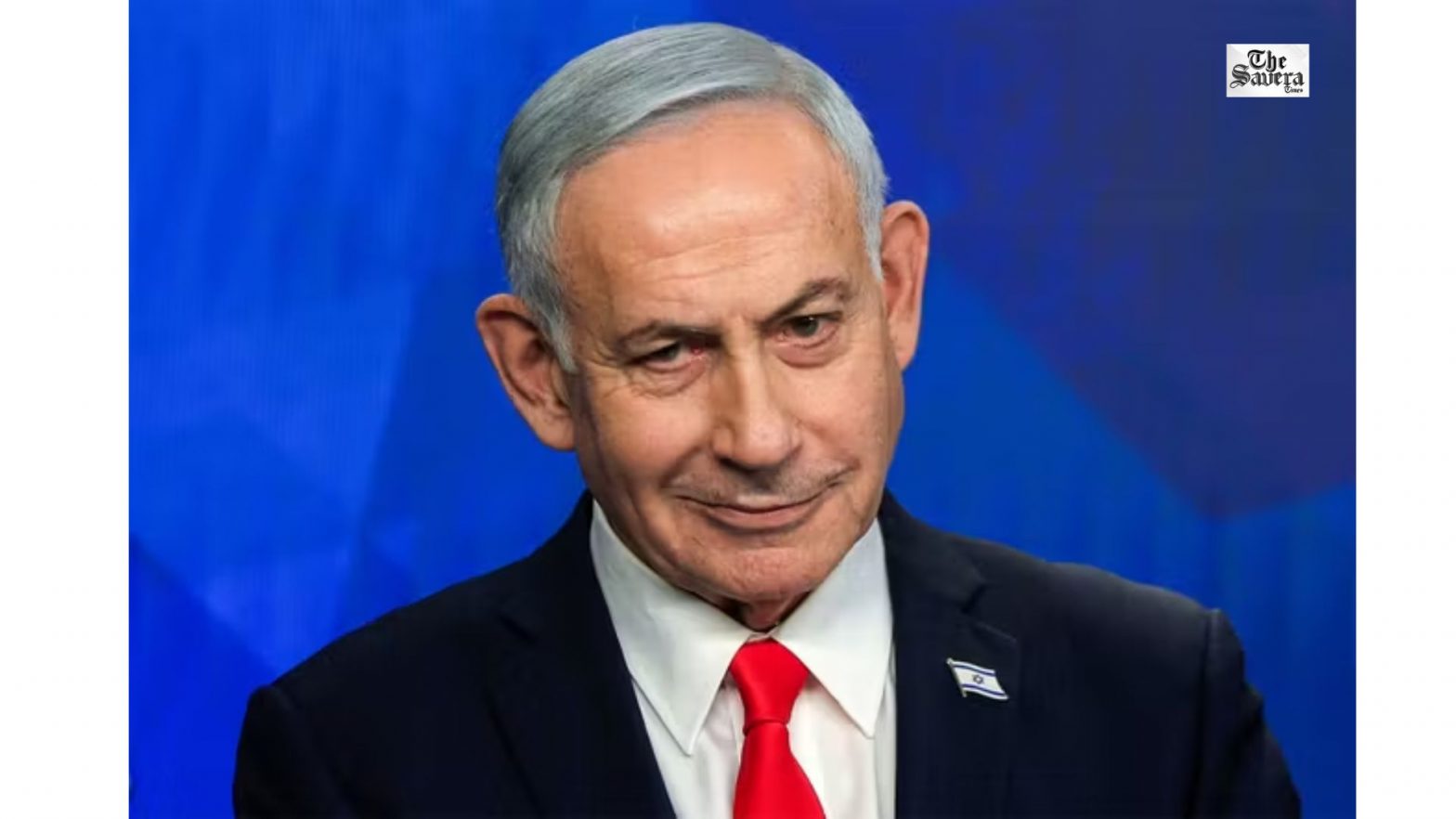
The Israeli leader's assertions followed a day after US President Donald Trump pronounced that the truce was "over" and dismissed subsequent diplomatic engagements
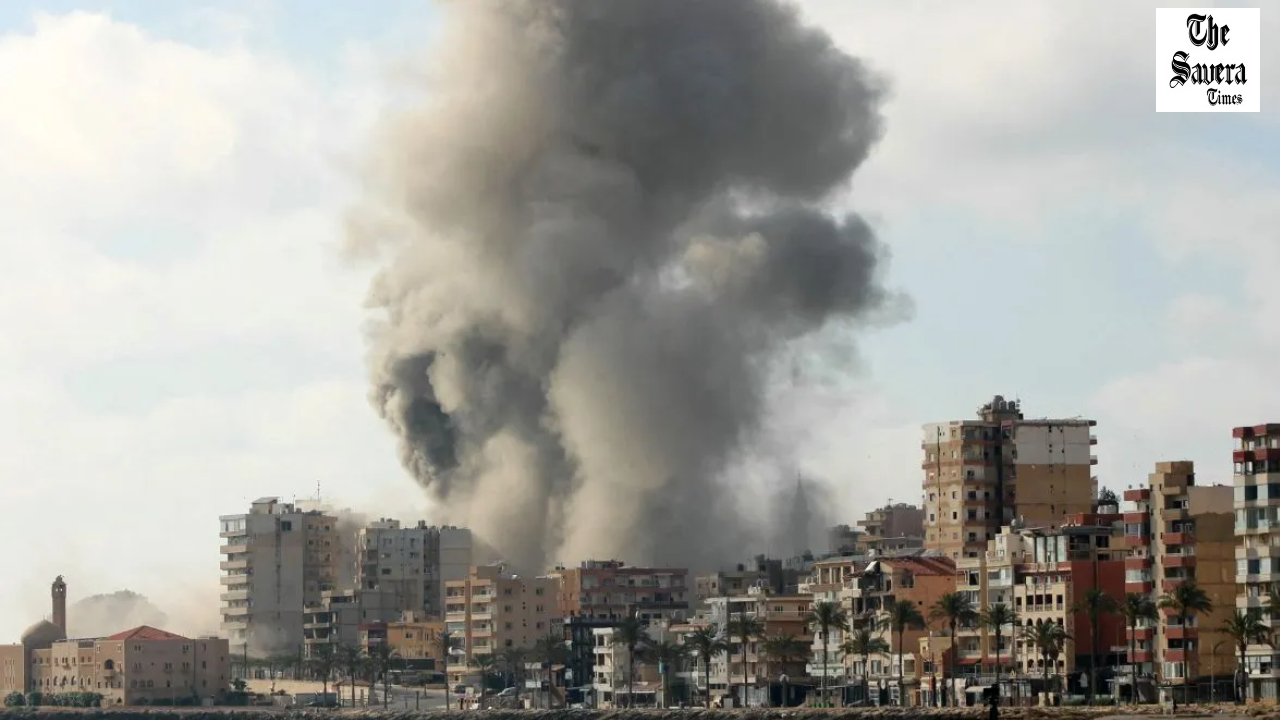
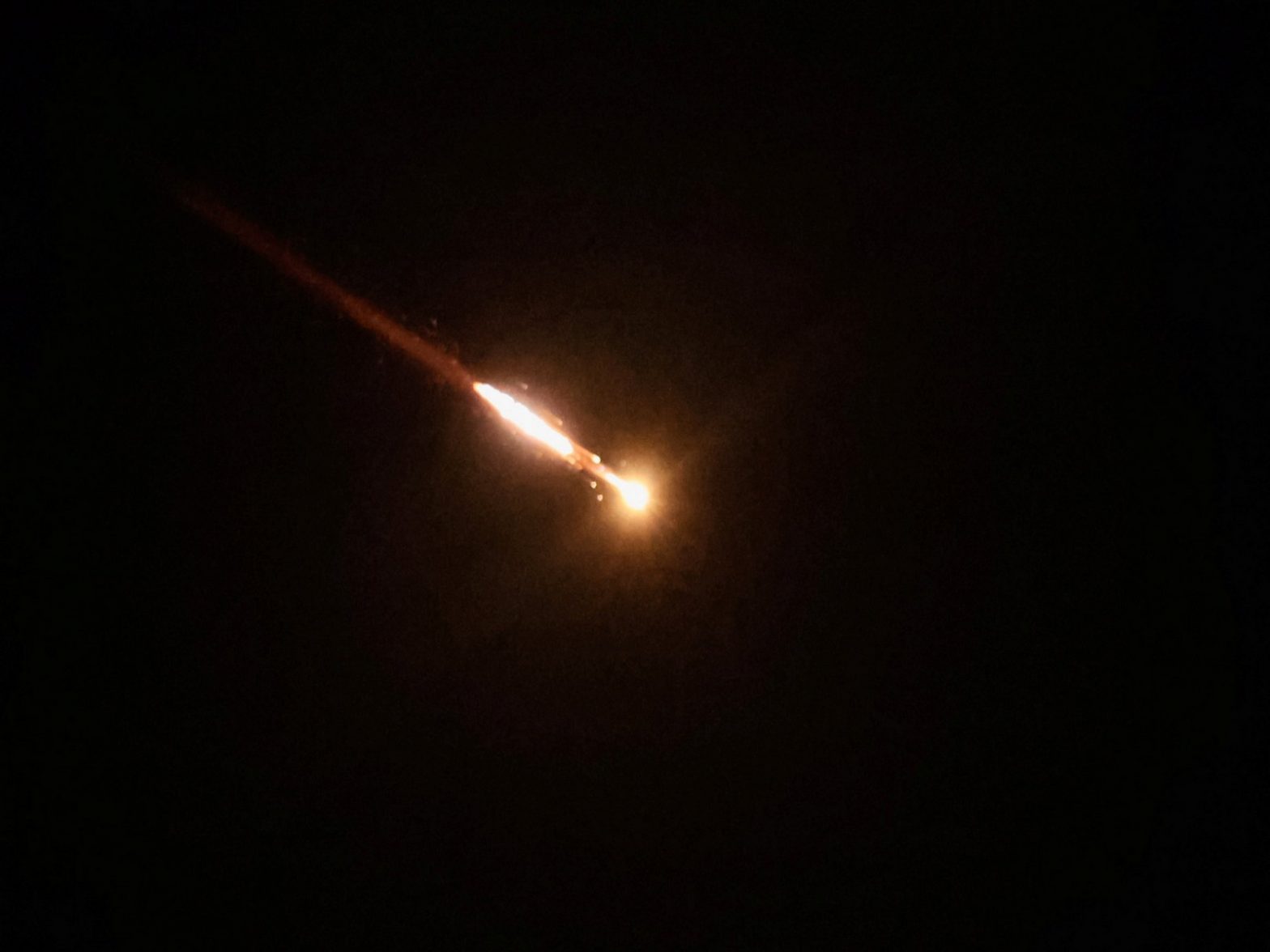
The situation in the Middle East once again escalated on Monday after Iran launched one of its biggest missile attacks on Israel in response to its attacks on Beirut and Lebanon.
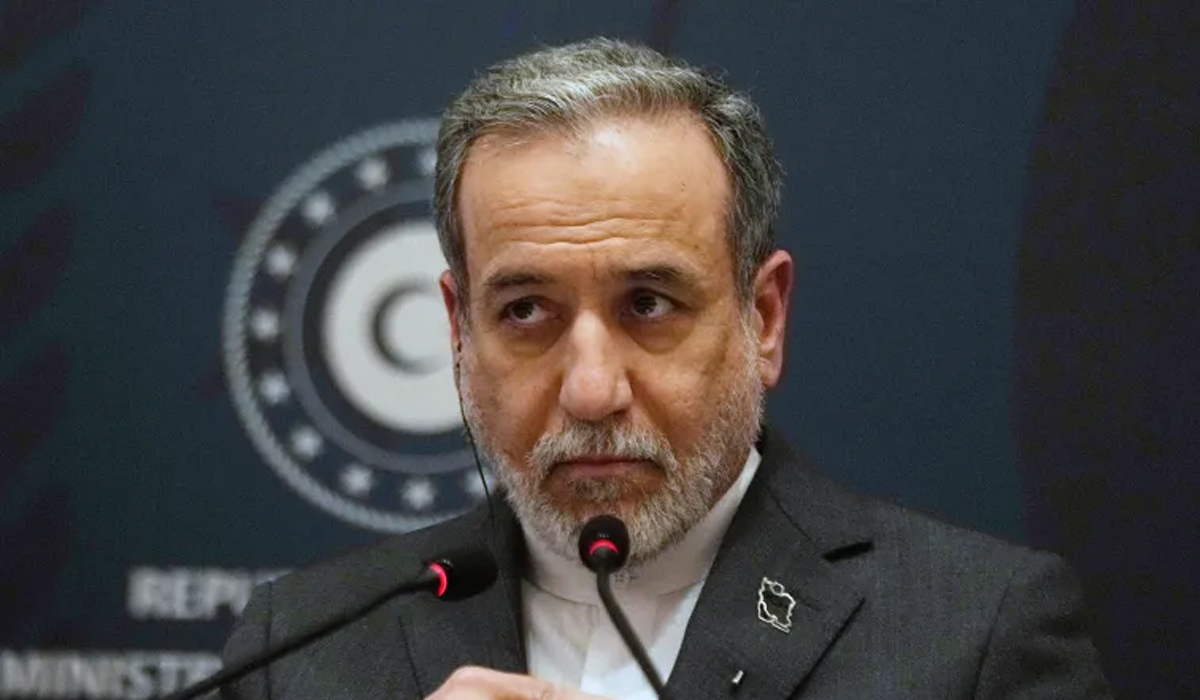
The foreign minister said he spent two days "uncertain" about Khamenei's fate while focusing on evacuation efforts amid the destruction caused by the strike.
The US President's remarks come amidst an ongoing maritime standoff, with Trump claiming that the Iranian authorities "want the Strait of Hormuz opened immediately."
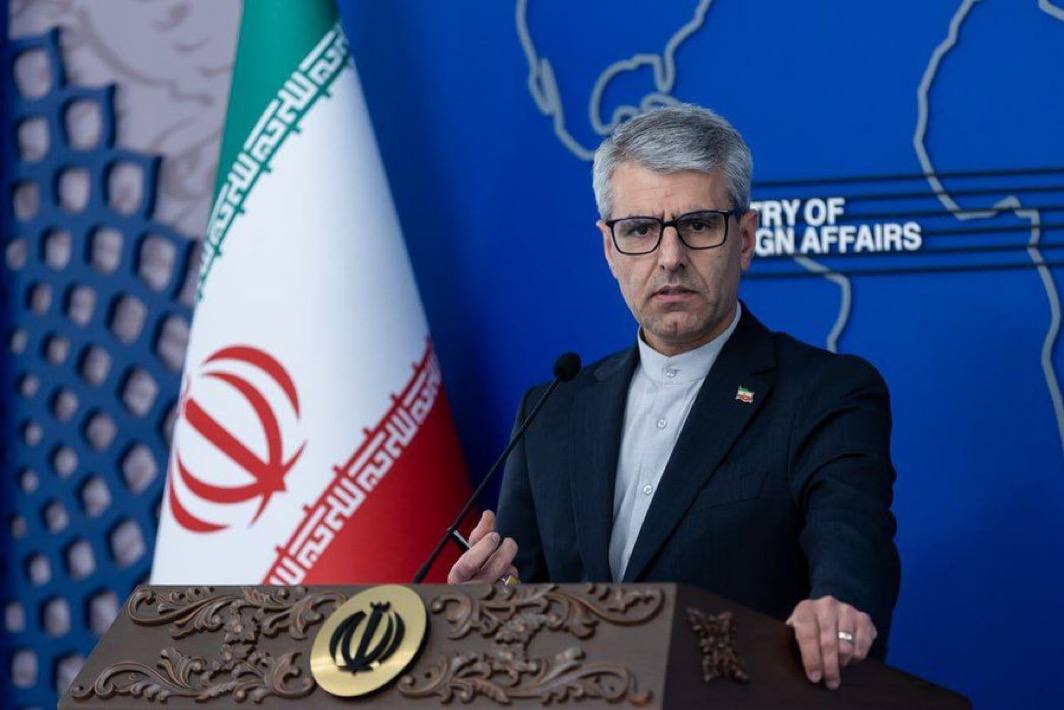
He underlined that the right to peaceful enrichment is neither a favour nor a concession granted by any external power that can be withdrawn under pressure or during times of conflict