Last Updated: October 16, 2026
Last Updated: October 16, 2026





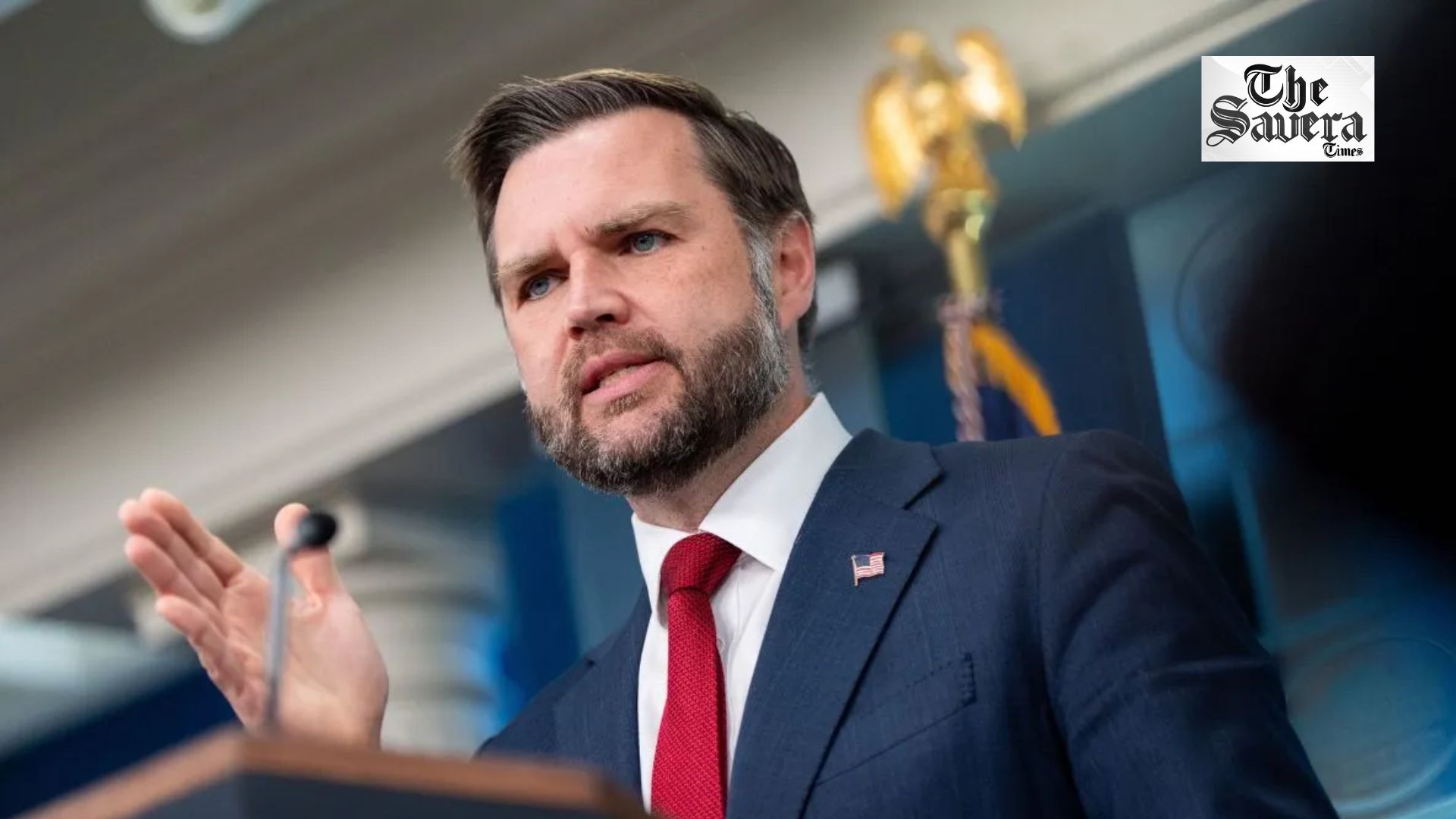
Washington: US Vice President JD Vance has said President Donald Trump has several options available to deal with Iran, as Washington weighs its next steps in the prolonged conflict with Tehran.
Speaking at a press conference in Washington on Thursday, Vance said the Trump administration has a range of tools at its disposal, including economic, military, diplomatic and covert measures. However, he declined to provide specific details, saying doing so could restrict the administration’s ability to make decisions.
“There are a lot of additional tools that we have at our disposal. Some of those the President will use and some of them he won’t,” Vance said, stressing that the options remain available to Trump.
JD Vance says Trump has multiple options against Iran
Vance’s comments came amid reports that the United States is considering whether to formally declare the Iran war over, even as American military deployments in the Middle East continue.
The US Vice President described economic, military, diplomatic and covert pressure as part of Trump’s “toolkit” for dealing with Iran. He did not indicate which of these measures the President could choose or when any further action might be taken.
Vance also accused Iran of behaving like terrorists and targeting commercial vessels travelling through the Strait of Hormuz. He said the US was focused on preventing the conflict from developing into a wider global energy crisis.
The Strait of Hormuz is a crucial international shipping route, and disruption in the region has raised concerns over energy supplies, shipping and global supply chains.
US weighs end to Iran war as troops remain in Middle East
The latest remarks come at a time of uncertainty over the future of the conflict between the US, Israel and Iran.
The war began on February 28 with a joint US-Israel military operation against Iran. The initial strikes killed several senior Iranian leaders, including Supreme Leader Ayatollah Ali Khamenei. However, the conflict has continued for more than seven months, causing significant disruption to regional trade and global supply chains.
Reports have suggested that the Trump administration is considering declaring the war over. At the same time, US Secretary of War Pete Hegseth has extended the deployment of American troops in the Middle East.
The contrasting developments have added to uncertainty over whether Washington is preparing to wind down its military involvement or keeping additional options open in case tensions with Tehran escalate again.
Iran warns US, signals readiness to return to ceasefire
Iran has continued to warn the United States while carrying out attacks against American military positions in the region, including bases in Kuwait, the United Arab Emirates and Jordan.
Tehran has nevertheless indicated that it remains open to returning to the ceasefire agreement reached in June, provided Washington also honours the arrangement.
Iranian President Masoud Pezeshkian said earlier this week that Iran would immediately reciprocate if the US returned to its commitments under the memorandum of understanding.
With both sides signalling different priorities, the future of the Iran conflict remains uncertain. While Washington is discussing the possibility of ending the war, Vance’s latest comments indicate that the Trump administration continues to keep economic, military, diplomatic and covert options available as it assesses its next move.
London: Ukrainian President Volodymyr Zelensky told British media that Ukraine would restart strikes on Russia’s oil refineries and...

India has expressed concern over the alleged plot to carry out a mass shooting at a Hindu temple...
Islamabad: At least 31 children and two female teachers were killed, and more than 50 other people were...

A roof collapse at Al-Khair School in Peshawar, Pakistan, killed at least 28 children and a female teacher...

Kabul: The series of road accidents in Afghanistan continues unabated. A truck and a passenger bus collided head-on...

Texas Attorney General Ken Paxton has filed a lawsuit against baby food manufacturer Gerber and its parent company,...