Last Updated: October 21, 2026
Last Updated: October 21, 2026





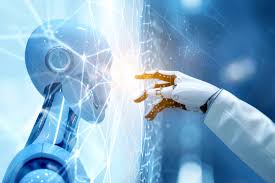
Artificial Intelligence (AI) is no longer a distant concept discussed only in tech conferences or science fiction novels. It has quietly woven itself into daily life, influencing how people work, shop, travel, learn, and even make personal decisions. While debates around AI often focus on job losses or ethical risks, the reality is far more nuanced. AI is steadily transforming routine experiences in ways many people barely notice.
One of the most visible impacts of AI is in communication. From predictive text and smart email sorting to real-time language translation, AI-powered tools are redefining how people interact. Messaging apps suggest replies, emails are categorized automatically, and voice assistants understand commands with increasing accuracy. These features save time and reduce mental load, especially in fast-paced urban lives.
In the workplace, AI is reshaping productivity rather than simply replacing jobs. Tools that automate repetitive tasks—such as data entry, scheduling, and basic analysis—allow employees to focus on creative and strategic work. In journalism, for example, AI helps analyze large datasets, transcribe interviews, and monitor trends, enabling reporters to spend more time on ground reporting and storytelling. Similarly, in finance and logistics, AI improves forecasting and decision-making by identifying patterns invisible to human analysts.
Healthcare is another sector experiencing a quiet AI revolution. AI systems assist doctors in reading scans, detecting early signs of disease, and predicting patient outcomes. In rural or underserved areas, AI-powered diagnostic tools help bridge gaps where specialists are scarce. While human expertise remains essential, AI acts as a support system that enhances accuracy and speed, often leading to better patient care. Education has also entered a new phase with AI-driven personalization. Learning platforms adapt content based on a student’s pace, strengths, and weaknesses. This is particularly significant in countries with large student populations, where one-size-fits-all teaching often leaves many behind. AI-enabled learning tools offer customized paths, making education more inclusive and accessible.
However, the growing role of AI raises serious concerns. Data privacy, algorithmic bias, and transparency remain unresolved challenges. AI systems are only as fair as the data they are trained on, and biased data can reinforce social inequalities. There is also the risk of over-reliance, where human judgment is sidelined in critical decisions. Despite these challenges, AI’s everyday integration suggests it is less of a disruptive force and more of a silent partner in modern life. The key question is not whether AI will continue to grow, but how societies choose to regulate, guide, and ethically deploy it. When used responsibly, AI has the potential to enhance human capability rather than replace it.
Good Evening Viewers! Catch up on the day's biggest stories with The Savera Times Evening Bulletin. Get the...

Congress leaders continued their protest outside the Jaipur Police Commissionerate on Tuesday, demanding the registration of a zero...

On the auspicious occasion of Vijayadashami, Prime Minister Narendra Modi on Tuesday called on the countrymen to unite...

A historic milestone was achieved on Tuesday in the expansion of Chhattisgarh's rail networkA historic milestone was achieved...

Model Shraddha Dubey, one of the main accused in the death of Lucknow businessman Shiv Sharma, has been...

Rashtriya Swayamsevak Sangh (RSS) chief Mohan Bhagwat on Tuesday called for strengthening national unity, social harmony, indigenous practices...

Aries: The day will be auspicious...