Last Updated: October 15, 2026
Last Updated: October 15, 2026





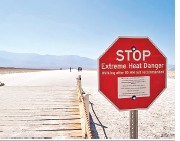
Heat is no longer a seasonal inconvenience. Across large parts of the world, rising temperatures are becoming a permanent condition that reshapes how people live, work, and survive. From early summer heatwaves to record-breaking nighttime temperatures, extreme heat is emerging as one of the most dangerous—and least acknowledged—effects of climate change.
In many regions, summers are arriving earlier and lasting longer.
Heatwaves that once occurred once in a decade now appear almost annually. What makes today’s heat particularly lethal is not just the daytime highs but the absence of cooling at night. When temperatures remain elevated after sunset, the human body loses its ability to recover, increasing the risk of heat-related illness and death.The impact is most visible among outdoor workers. Construction labourers, street vendors, sanitation workers, and farmers are forced to work under punishing conditions. For daily wage earners, staying home is not an option. Productivity declines, health deteriorates, and incomes shrink. Heat becomes both a physical and economic burden.
Urban areas experience the worst effects due to the heat island phenomenon. Concrete, asphalt, and glass trap heat, while shrinking green spaces limit natural cooling. Informal settlements with poor ventilation and limited access to electricity become heat traps. For millions, cooling devices like air conditioners remain unaffordable or unreliable due to power shortages. Public health systems are ill-prepared. Heat-related illnesses are often underreported, misdiagnosed, or treated as isolated incidents rather than a systemic crisis. Dehydration, heatstroke, cardiovascular stress, and kidney failure spike during extreme heat periods, placing immense strain on hospitals already operating at capacity.
Children and the elderly are especially vulnerable. Schools without adequate ventilation or drinking water become unsafe during heatwaves. Older adults living alone face increased risk, particularly when social support systems are weak. Heat quietly claims lives, often without the attention given to floods or earthquakes.
Extreme heat also disrupts education and productivity. Learning outcomes decline as classrooms become unbearable. Work hours are reduced or shifted, affecting economic output. In agriculture, heat stress damages crops, reduces yields, and increases reliance on irrigation, further straining water resources.
Varanasi: A massive explosion triggered the collapse of a two-storey building in Uttar Pradesh’s Varanasi on Thursday, leaving...

Sofia: A vessel sailing under the flag of San Marino caught fire in the Black Sea near Romania...

New Delhi: Accusing the Congress of double-speak on women dignity, the Bharatiya Janata Party (BJP) Mahila Morcha on...

New Delhi: NITI Aayog’s Frontier Tech Hub released a Data Centre Evaluation Framework to help states plan for...
New Delhi: The Supreme Court on Thursday referred the cheque dishonour cases against actor and comedian Rajpal Yadav...

Mirzapur: Uttar Pradesh Chief Minister Yogi Adityanath on Thursday accused the Samajwadi Party (SP) and the Congress of...

Aries: The day will be auspicious...