Last Updated: October 15, 2026
Last Updated: October 15, 2026





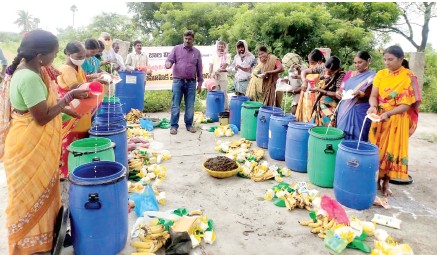
Amid frequent headlines about climate stress and environmental degradation, quieter stories of recovery and resilience are unfolding across India. From restored wetlands to revived forests and cleaner rivers, local action is proving that environmental renewal is not only possible but already underway.
One of the most encouraging developments is the growing role of community-led conservation. Villages, resident groups, and local administrations are working together to protect water bodies, manage forests, and restore degraded land. These initiatives often rely on traditional knowledge combined with modern science, ensuring sustainability and local ownership.
Across several states, abandoned ponds and lakes have been revived through desilting and rainwater harvesting. These water bodies now recharge groundwater, support biodiversity, and provide irrigation during dry seasons. Farmers who once struggled with water scarcity are witnessing improved crop stability, reducing distress and migration.
Afforestation efforts are also becoming more thoughtful. Instead of large-scale monoculture plantations, many regions are focusing on native species restoration, which supports wildlife and strengthens ecosystems. Grassroots organisations and forest departments are involving local youth in plantation drives, monitoring growth, and protecting saplings—turning conservation into a shared responsibility.
Urban areas are not being left behind. Cities are reclaiming green spaces through urban forests, rooftop gardens, and biodiversity parks. These efforts are improving air quality, reducing heat stress, and creating accessible recreational spaces. Importantly, they are changing how citizens relate to nature, fostering stewardship even in dense urban environments. Wildlife conservation has seen positive outcomes as well. Improved monitoring, community awareness, and habitat protection have helped stabilise populations of several species. Local communities living near forests are increasingly recognised as partners rather than obstacles in conservation, benefiting from eco-tourism and sustainable livelihoods. Technology is supporting this environmental turnaround.
Satellite mapping, mobile reporting tools, and data-driven planning are helping track deforestation, water levels, and land use changes. When combined with local participation, these tools enhance accountability and impact. While challenges such as climate variability and resource pressure remain real, these stories of renewal offer hope. They demonstrate that environmental protection does not always require large-scale interventions—consistent local effort, inclusive planning, and long-term thinking can yield meaningful change. India’s environmental future will depend not only on policies, but on people. And across the country, communities are showing that when nature is cared for collectively, it responds with resilience.
Suva: India and Fiji on Thursday held discussions focused on deepening bilateral ties and reaffirmed their shared commitment...

Bokaro (Jharkhand): The protest by trained youth from displaced families affected by the Bokaro Steel Plant (BSL) intensified...

Varanasi: Uttar Pradesh Chief Minister Yogi Adityanath, on a two-day visit to Varanasi, honoured sanitation workers from the...

New Delhi: India’s pharmaceutical sector performed exceptionally well in September 2026, recording the highest monthly growth in the...

Prime Minister Narendra Modi on Thursday inaugurated and dedicated to the nation five major development projects worth approximately...

New Delhi: The Supreme Court on Thursday issued notice to the Election Commission of India (ECI) on a...

Aries: The day will be auspicious...