Last Updated: September 22, 2026
Last Updated: September 22, 2026





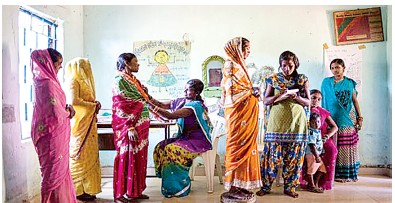
In many parts of India, the first point of contact between citizens and the healthcare system is not a hospital or a doctor, but a local health worker. Accredited Social Health Activists (ASHAs), auxiliary nurse midwives, and community health volunteers form the backbone of primary healthcare, quietly delivering life-saving services to millions, often under challenging conditions.
Over the years, these frontline workers have become trusted figures in their communities. They provide maternal and child healthcare, ensure immunisation coverage, monitor nutrition levels, and spread awareness about hygiene and disease prevention. In remote villages and underserved urban settlements, their presence has significantly reduced delays in seeking medical care, especially among women and children.
The impact of local health workers became particularly visible during the COVID-19 pandemic. While hospitals struggled with capacity, community health workers conducted door-to-door surveys, facilitated testing and vaccination drives, and countered misinformation. Their deep understanding of local realities allowed them to communicate public health messages in culturally sensitive ways, increasing compliance and trust.
Beyond emergencies, their everyday work continues to deliver long-term benefits. Early identification of high-risk pregnancies, timely referrals, and regular follow-ups have contributed to declining maternal and infant mortality rates in several states. Nutrition counselling and monitoring have helped address childhood stunting and anaemia, issues that have long challenged India’s public health outcomes.Training and digital tools have further strengthened their effectiveness. Mobile applications now help health workers track pregnancies, immunisation schedules, and disease outbreaks in real time. This data-driven approach enables quicker responses and better coordination with primary health centres. For workers with limited formal education, these tools also serve as learning platforms, improving accuracy and confidence.
Despite modest remuneration, many health workers remain deeply committed to their roles. Their motivation often stems from a sense of service and the visible impact of their work. Communities, in turn, increasingly recognise their contributions, treating them as essential pillars of local wellbeing rather than temporary functionaries.
As India aims to strengthen its healthcare system, the role of local health workers deserves sustained investment. Fair compensation, regular training, and supportive working conditions can amplify their impact. Their success story shows that resilient healthcare systems are built not only through infrastructure and technology, but through people who serve at the grassroots with dedication and trust.
Salim Dola's arrest has disrupted the Haji Salim narcotics network, with officials saying the cartel has reduced consignment...

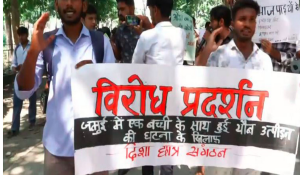
The main accused in the alleged harassment of a minor girl and her male companion in Bihar's Jamui...
New Delhi: The Centre has told the Supreme Court that the National Testing Agency (NTA) is being strengthened...
Shillong: The Meghalaya government has notified the MBOSE hostel at Laitumkhrah locality in Shillong as a temporary detention...
A tragic road accident occurred in Himachal Pradesh's Kullu district early Tuesday morning. A car lost control and...

The Supreme Court on Monday made important observations regarding the constitutional rights related to personal liberty and arrest.

Aries: The day will be auspicious...