Last Updated: October 12, 2026
Last Updated: October 12, 2026






In many parts of South Asia, access to quality healthcare has long been shaped by geography, income, and infrastructure. Yet, across small towns and rural regions, local innovations are steadily narrowing this gap—bringing essential health services closer to people who need them most.
Mobile health clinics are among the most impactful developments. Operated by state health departments, NGOs, and community trusts, these clinics travel to remote villages on fixed schedules, offering basic diagnostics, maternal care, vaccinations, and health counselling. For residents who once travelled hours for medical attention, timely care is now available at their doorstep.
Telemedicine has further expanded reach. With the help of digital kiosks and smartphone applications, patients can consult specialists located in urban hospitals without leaving their villages. This has proven particularly valuable for managing chronic illnesses such as diabetes, hypertension, and respiratory conditions, where regular follow-ups are crucial.
Community health workers remain the backbone of this progress. Accredited Social Health Activists (ASHAs), auxiliary nurse midwives, and trained volunteers act as the first point of contact between households and the healthcare system. Their familiarity with local customs and languages builds trust and encourages early medical intervention.
Innovations in diagnostics are also playing a role. Low-cost testing kits, portable ultrasound devices, and rapid screening tools are enabling early detection of diseases that once went unnoticed until advanced stages. Early diagnosis not only saves lives but also reduces treatment costs for families.
Mental health, long overlooked, is gaining attention through community-based programmes. Peer counselling groups, helplines, and school-based awareness campaigns are helping reduce stigma and encourage open conversations around emotional well-being.
Importantly, many of these initiatives emphasise preventive care. Nutrition education, sanitation drives, and lifestyle awareness programmes aim to reduce illness before treatment becomes necessary.
This shift from reactive to preventive healthcare marks a significant change in public health thinking. Challenges persist—staff shortages, digital connectivity issues, and funding constraints continue to test the system. Yet, the steady expansion of locally adapted solutions demonstrates that healthcare reform does not always require large-scale infrastructure alone.
Sometimes, it begins with innovation, trust, and community participation. As these models continue to evolve, they offer a hopeful vision: healthcare that is accessible, affordable, and rooted in the realities of everyday life.
The Delhi Police has registered an FIR regarding the alleged disturbance at the Bangla Sahib Gurdwara in...
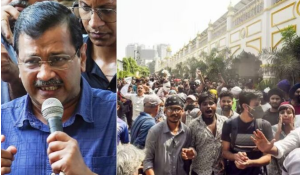
The Delhi Police on Monday removed Jantar Mantar from the list of officially designated protest sites. The police...
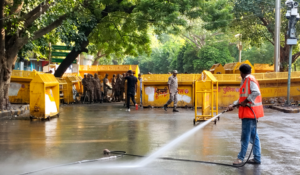
The Supreme Court on Monday clarified that it has not passed any judgment on the Election Commission's (ECI)...
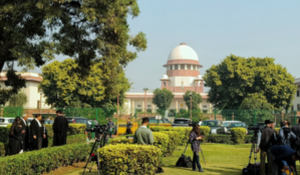
The Kerala Assembly passed a resolution demanding the removal of Chief Election Commissioner (CEC) Gyanesh Kumar from his...
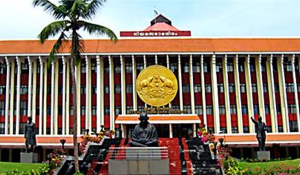
Amidst heavy security and barricades by the Delhi Police, INDIA Bloc leaders began a protest march towards the...

The Reserve Bank of India (RBI)'s new measures to curb speculation in the rupee and maintain stability in...