Last Updated: October 21, 2026
Last Updated: October 21, 2026





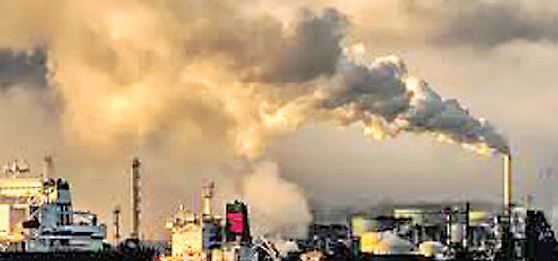
Poor air quality is emerging as a significant factor not just for respiratory and cardiovascular health but also for joint-related disorders like rheumatoid arthritis (RA), experts warned on Thursday in New Delhi. RA is a chronic autoimmune disease in which the immune system attacks the body’s own tissues, particularly the joints, leading to persistent pain, swelling, stiffness, and disability.
Traditionally, RA has been linked to genetics and immune system dysfunction. However, recent research from Europe, China, and India indicates that environmental triggers such as air pollution may also play a crucial role in disease onset and progression. Fine particulate matter, or PM2.5, is especially concerning because it penetrates deep into the lungs and triggers systemic inflammation.
“We are observing a rise in RA cases among patients living in polluted areas who have no family history or genetic predisposition to autoimmune disorders,” said Dr. Uma Kumar, Head of Rheumatology at AIIMS, New Delhi. She explained that pollutants provoke inflammatory reactions, exacerbate joint damage, and accelerate disease progression. Speaking at the 40th Annual Conference of the Indian Rheumatology Association (IRACON 2025) in Dwarka, Dr. Kumar called the link between pollution and autoimmune disease a “public health emergency we can no longer ignore.”
Current estimates suggest RA affects around 1 per cent of India’s adult population. Experts caution that pollution-driven cases could increase this burden significantly, often presenting more aggressively than conventional RA. Dr. Pulin Gupta, Professor and Rheumatologist at Dr. Ram Manohar Lohia Hospital, noted that patients exposed to higher levels of PM2.5 develop more severe symptoms that progress faster. He highlighted the role of urbanization, reduced green spaces, and traffic-related pollution in worsening the problem.
Several studies have linked exposure to PM2.5, nitrogen oxides, and ozone with higher RA risk and symptom severity, particularly in genetically susceptible individuals. Living near high-traffic areas further increases the likelihood of developing the disease, experts said.
While there is no cure for RA, timely management can reduce symptoms and improve quality of life. Rheumatologists stressed the need for coordinated action to mitigate pollution’s impact. Recommendations include stricter pollution control measures, early screening of at-risk populations, and public awareness campaigns. Expansion of urban green cover, cleaner transport solutions, and stronger national policies linking air quality and health are also essential, they added.
The rising evidence connecting environmental pollution to autoimmune disorders underscores the urgent need for multidisciplinary approaches that combine public health interventions, urban planning, and medical management to prevent and control RA, particularly in India’s heavily polluted urban centres.
Reduced water levels at Har Ki Pauri and other Haridwar ghats have inconvenienced pilgrims during the Upper Ganga...

Six people returning from a Dussehra Mela were seriously injured when a car hit them on National Highway...

A bus travelling from Pachiound to Ramnagar fell into a gorge at Gulli Gula in Udhampur district. Nine...

Start your day with The Savera Morning Brief, bringing you the latest news from India and around the...

Union Home Minister Amit Shah will pay tribute to police martyrs at the National Police Memorial in New...

Four more people, including two women, have been arrested in the Tiger Shroff firing case. Delhi Police are...
Aries: The day will be auspicious...