Last Updated: October 13, 2026
Last Updated: October 13, 2026





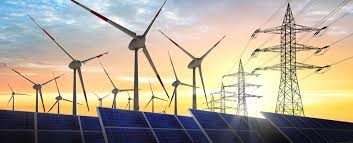
Across India, a quiet transformation is underway—one powered not by noise or spectacle, but by sunlight, wind, and local innovation. From rooftops in small towns to solar parks stretching across arid landscapes, renewable energy is increasingly shaping how millions of Indians live, work, and dream about the future.
Over the last decade, India has emerged as one of the world’s fastest-growing renewable energy markets. Solar panels that were once rare sights are now common on schools, health centres, railway stations, and homes. Wind turbines rotate steadily across coastal belts and hilltops, producing clean electricity while coexisting with agriculture and grazing land.
What makes this transition remarkable is not just the scale, but the human impact behind it.
In rural areas, solar-powered irrigation pumps are changing farming routines. Farmers who once depended on erratic electricity schedules now water their fields during daylight hours, reducing costs and improving crop planning. Many report having more predictable harvests and better control over their time. Solar cold storage units are also helping reduce post-harvest losses, allowing farmers to store produce longer and access better markets.
In urban India, rooftop solar installations are lowering electricity bills for middle- and lower-income households. Housing societies that invest in shared solar systems often redirect savings toward maintenance, green spaces, or community services. For many families, renewable energy is no longer an abstract climate solution it is a practical household benefit. The employment potential of this shift is equally significant. India’s renewable sector is creating jobs across skill levels—from engineers and project managers to technicians, electricians, and local installers. Training programmes run by public institutions and private firms are equipping young people with skills tailored to clean-energy infrastructure. For many first-generation workers, these jobs offer stability, dignity, and a sense of participating in a future-facing industry.
Women, too, are finding new opportunities. In several states, women-led self-help groups manage solar micro-grids, handle maintenance, and collect usage fees. These initiatives are not only improving energy access but also strengthening women’s leadership at the community level.
India’s renewable expansion is also encouraging innovation. Startups are developing affordable solar appliances, battery storage solutions, and energy-efficient cooling systems suited to Indian climates. These technologies are being designed locally, for local needs, and increasingly exported to other developing countries facing similar challenges.
Good Evening Viewers! Stay updated with The Savera Times Evening Bulletin for the latest news from Punjab, India...

eader of the Opposition in the Lok Sabha, Rahul Gandhi and 10 other INDIA bloc leaders have moved...

Amidst protests in central Delhi, the Delhi Metro Rail Corporation (DMRC) announced the reopening of entry and exit...
The Delhi Police has registered an FIR regarding the alleged disturbance at the Bangla Sahib Gurdwara in...
The Delhi Police on Monday removed Jantar Mantar from the list of officially designated protest sites. The police...

The Supreme Court on Monday clarified that it has not passed any judgment on the Election Commission's (ECI)...
Aries: The day will be auspicious...