Last Updated: October 21, 2026
Last Updated: October 21, 2026





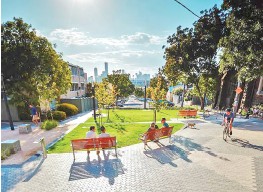
Urban green spaces—parks, community gardens, and tree-lined streets—are more than just aesthetic additions to cities; they are transforming the way people live, work, and connect. Across the world, city planners are increasingly prioritizing greenery to improve quality of life, boost mental health, and foster community engagement.
One of the most visible benefits of urban green spaces is their impact on mental and physical health. Studies consistently show that access to parks and gardens reduces stress, improves mood, and even encourages physical activity. In cities like Singapore, which is renowned for its “City in a Garden” approach, residents have easy access to lush greenery integrated into urban architecture. Walking along tree-lined streets or jogging in a local park has become a routine that promotes both mental clarity and physical well-being.
Environmental benefits also play a critical role. Trees and plants act as natural air purifiers, absorbing pollutants and releasing oxygen. They help reduce urban heat by providing shade and cooling the surrounding areas, making cities more resilient against rising temperatures. In New York, the MillionTreesNYC initiative has planted over a million trees across the city, significantly improving air quality and enhancing biodiversity. Urban green spaces also support local wildlife, creating micro-habitats for birds, insects, and small mammals.
Community bonding is another positive outcome. Parks and gardens provide shared spaces where people of all ages can interact. Neighborhood gardening projects allow residents to work together, exchange knowledge, and create a sense of pride in their surroundings. In London, community gardens have become social hubs where residents host workshops, cultural events, and fitness sessions, helping to reduce social isolation and strengthen local networks.
Moreover, green spaces have economic advantages. Properties near well-maintained parks tend to have higher real estate values, attracting families and businesses. Local tourism can also benefit, as scenic parks and botanical gardens draw visitors seeking recreational and cultural experiences. Cities like Barcelona have successfully leveraged their green areas as part of sustainable urban tourism, balancing environmental goals with economic growth.
The success of urban green spaces depends on thoughtful planning and maintenance. In addition to creating new parks, cities are increasingly adopting innovative solutions such as vertical gardens, green rooftops, and pedestrian-friendly green corridors. These initiatives ensure that even densely populated areas can enjoy the benefits of greenery without sacrificing space.In conclusion, urban green spaces are redefining city life by improving health, enhancing the environment, fostering community, and contributing to economic development. As more cities recognize the multifaceted value of greenery, residents can look forward to urban environments that are not only livable but also vibrant, sustainable, and socially enriching. Investing in green infrastructure is not just a design choice—it is an investment in the well-being of generations to come
Start your day with The Savera Morning Brief, bringing you the latest news from India and around the...

Union Home Minister Amit Shah will pay tribute to police martyrs at the National Police Memorial in New...

Four more people, including two women, have been arrested in the Tiger Shroff firing case. Delhi Police are...

We are very proud that at present India is the number one country in the world by surpassing...

Every investor wants the wealth-creating power of equity and the reassuring stability of debt. Balanced Advantage Funds attempt...

Tourism is a major source of government revenue in our country. There are different types of tourism. Scenic...

Aries: The day will be auspicious...