Last Updated: October 21, 2026
Last Updated: October 21, 2026





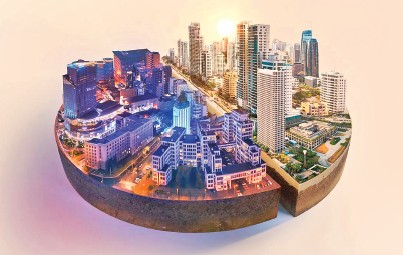
For decades, the idea of “home” in urban India followed a predictable script: ownership, permanence, and family inheritance. A home was not just shelter but security, status, and an asset meant to last generations. Today, that idea is undergoing a quiet but profound shift.
Across India’s major cities, younger residents are redefining what home means. Rising property prices, changing work cultures, and evolving personal priorities are pushing urban dwellers away from traditional ownership models toward flexibility, mobility, and shared living.
One of the most visible changes is the growing acceptance of renting as a long-term choice rather than a temporary compromise. Millennials and Gen Z professionals, especially those working in technology, media, healthcare, and startups, increasingly prioritise location, commute time, and lifestyle over ownership. For many, the idea of committing to a 20-year housing loan feels restrictive in an economy defined by frequent job changes and relocation.
This shift is also driven by affordability. In cities like Mumbai, Bengaluru, and Delhi, property prices have far outpaced income growth. Even dual-income households struggle to afford centrally located homes. As a result, renters are choosing smaller, well-connected spaces closer to workplaces instead of distant suburbs that demand long commutes and social isolation.
Co-living has emerged as another response to these pressures. Once associated mainly with students, co-living spaces are now attracting young professionals and even freelancers in their 30s. These arrangements offer furnished rooms, shared amenities, and flexible leases, reducing both financial burden and emotional isolation in dense urban environments. Work-from-home and hybrid work models have further reshaped housing preferences.
The pandemic demonstrated that productivity does not always require physical offices, prompting many urban residents to prioritise space, ventilation, and neighbourhood quality. Homes are no longer just places to sleep; they now double as workspaces, fitness zones, and social hubs.
Interestingly, this evolution has also influenced architecture and interior design. Developers are experimenting with compact, multi-functional layouts, shared community spaces, and environmentally conscious materials. Balconies, natural light, and soundproofing have become selling points, reflecting changing daily routines.
At a social level, the redefinition of home has softened traditional expectations. Marriage, family size, and cohabitation norms are shifting alongside housing choices. Single living, shared flats among friends, and delayed homeownership are no longer viewed as failures but as legitimate lifestyle decisions.
However, challenges remain. Rent insecurity, lack of tenant protections, and unpredictable lease terms continue to affect urban renters. Policy frameworks have yet to fully adapt to this new reality, often favouring ownership over rental stability.
As India’s cities continue to expand, the concept of home will likely become more fluid. Ownership may still hold emotional value, but flexibility, comfort, and accessibility are increasingly shaping how urban Indians define whe
Start your day with The Savera Morning Brief, bringing you the latest news from India and around the...

Union Home Minister Amit Shah will pay tribute to police martyrs at the National Police Memorial in New...

Four more people, including two women, have been arrested in the Tiger Shroff firing case. Delhi Police are...

We are very proud that at present India is the number one country in the world by surpassing...

Every investor wants the wealth-creating power of equity and the reassuring stability of debt. Balanced Advantage Funds attempt...

Tourism is a major source of government revenue in our country. There are different types of tourism. Scenic...

Aries: The day will be auspicious...