Last Updated: October 12, 2026
Last Updated: October 12, 2026





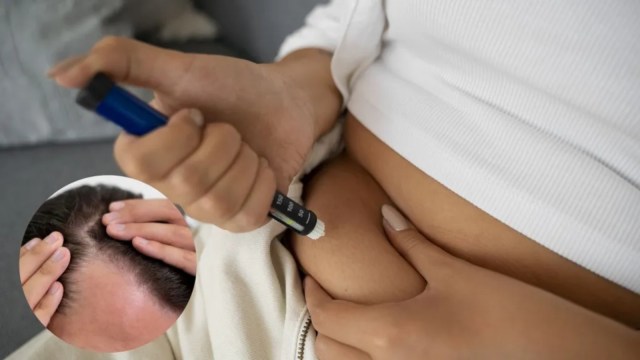
Weight loss drugs such as Ozempic, Wegovy and Zepbound may be linked to a higher risk of male pattern hair loss, with men already genetically predisposed to the condition facing a 7 per cent added risk, according to a new study led by researchers at NYU Langone Health. Published online on September 3 in the Journal of Investigative Dermatology, the peerreviewed study is the first to identify a genetic link between GLP-1 activity and an increased risk of androgenetic alopecia, an inherited form of hair loss that typically follows a pattern along the top and front of the scalp. The researchers examined the GLP1R gene, which naturally influences levels of GLP-1 receptor proteins in the body, and compared its activity with genetic markers associated with androgenetic alopecia in men. They found that GLP1R genes associated with naturally higher levels of GLP-1 receptor proteins were more likely to be present in men with androgenetic alopecia. After accounting for hypertension, which is thought to reduce blood flow to the scalp and affect hair follicle growth, the additional risk remained at 7 per cent. The researchers also assessed other potential factors associated with hair loss, including insulin resistance and lower testosterone levels. The 7 per cent increased risk linked to GLP-1 activity remained after those factors were considered. GLP-1 drugs are used to regulate blood sugar and suppress appetite, and many users have reported thinning hair as a side effect. Researchers have so far largely attributed the shedding to rapid weight loss caused by the medicines. Hair growth often resumes several months after weight stabilises. Until now, however, a genetic connection between GLP-1 use and hair loss had only been suspected. “Our study provides the first genetic link between GLP-1 use and an increased risk of male-pattern hair loss from androgenetic alopecia, an association long suspected but until now not shown scientifically,” said senior investigator Lynn Petukhova, PhD, assistant professor in the Ronald O. Perelman Department of Dermatology and the Department of Population Health at NYU Grossman School of Medicine. Petukhova said the findings could eventually help identify people at higher risk of hair loss before they are prescribed GLP-1 medicines, if future experiments confirm the association. She also said the findings could potentially lead to combination treatments aimed at preventing hair loss. The study did not establish the biological mechanism responsible for the association. Petukhova said further research is needed to determine how GLP-1 activity may affect hair follicle growth and whether the findings seen in men also apply to women.
One of the most common questions people ask these days is how to lose belly fat. Belly fat...

Turtle doves picking fallen grain from Paddy fields, Cicada chirping on willow trees and the cackle of migratory...

Andre Agassi became one of the greatest tennis players in the world. Agassi’s father, Mike, a former Olympic...

Have you ever wondered how the words you speak can influence your thoughts, emotions, behavior, relationships and even...

Ac There’s no doubt that smoking can cause serious health related problems and also up the risk of...

Are you one of those who exercise daily but are still unable to lose weight? We might have...

Aries: The day will be auspicious...