Last Updated: October 13, 2026
Last Updated: October 13, 2026





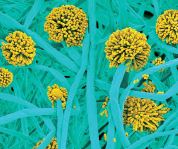
Indian researchers have unveiled a novel strategy to combat Candida albicans (CAL), a fungal pathogen that poses one of the most serious global health threats. The initiative, led by scientists at the Indian Council of Medical Research (ICMR), introduces a multidisciplinary approach that identifies critical metabolic pathways in the pathogen, offering new avenues for treatment.
Candida albicans is the leading cause of systemic candidiasis, a severe invasive infection with a mortality rate that can reach 63.6 per cent in critical cases. The infection, which spreads beyond the mouth, skin, or genital tract into the bloodstream and internal organs, claims nearly one million lives globally each year. India alone reports an estimated 470,000 cases annually, highlighting the scale of the challenge.
The team, which included researchers from the Wadhwani School of Data Science and AI (WSAI) and IIT Madras, combined computational modeling with laboratory validation to uncover hidden vulnerabilities in the fungus. Unlike conventional studies, their integrated approach merged CAL’s metabolic model iRV781 with the human metabolic model Recon3D, creating what they described as a one-of-a-kind host-fungal interaction framework.
“This unique framework allowed us to simulate CAL metabolism during host infection,” explained Dr. Susan Thomas, principal investigator at ICMR-NIRRCH, Mumbai. “It enabled us to identify metabolic weaknesses that do not appear in routine lab cultures. Importantly, it highlighted the role of arginine metabolism in driving CAL pathogenicity.”
By exposing these vulnerabilities, the research points to fresh targets for antifungal drug development, a critical need as existing treatments often face resistance. “The groundbreaking work is significant for designing therapies that improve patient survival, reduce treatment costs, and ultimately lower the burden of invasive candidiasis,” said Prof. Karthik Raman, faculty member at WSAI, IIT Madras.
The findings, published in the peer-reviewed journal Cell Communication and Signaling, mark a milestone in interdisciplinary research. By blending expertise in computational biology, metabolic modeling, and experimental validation, the study demonstrates how India is contributing to global solutions in infectious disease management.
Candida albicans typically resides harmlessly in the human body as part of the natural microbiota, inhabiting areas such as the gut, throat, mouth, skin, and vagina. However, in immunocompromised individuals, it can become invasive, spreading through the bloodstream and damaging vital organs. With rising cases worldwide and mortality rates remaining alarmingly high, the need for novel interventions is urgent.
The ICMR-led research offers a promising step forward, underscoring how cutting-edge science can help bridge gaps in treatment and improve outcomes against one of the most lethal fungal pathogens known today.
Bengaluru: The BJP on Tuesday questioned the Congress over the alleged pushing away of Karnataka Chief Minister D.K....

Mumbai: Singer Darshan Raval has opened up about his new track ‘Jaane Kis Mod Pe’ from the upcoming...

Giridih (Jharkhand): Five people were killed and two others were seriously injured in two separate road accidents in...

New Delhi: The Supreme Court on Tuesday granted interim relief to Leader of Opposition in the Lok Sabha...

The Supreme Court on Tuesday took a serious view of the alleged assault on female journalists by police...

New Delhi: A Supreme Court lawyer has approached Chief Justice of India (CJI) Surya Kant seeking consideration of...

Aries: The day will be auspicious...