Last Updated: October 18, 2026
Last Updated: October 18, 2026





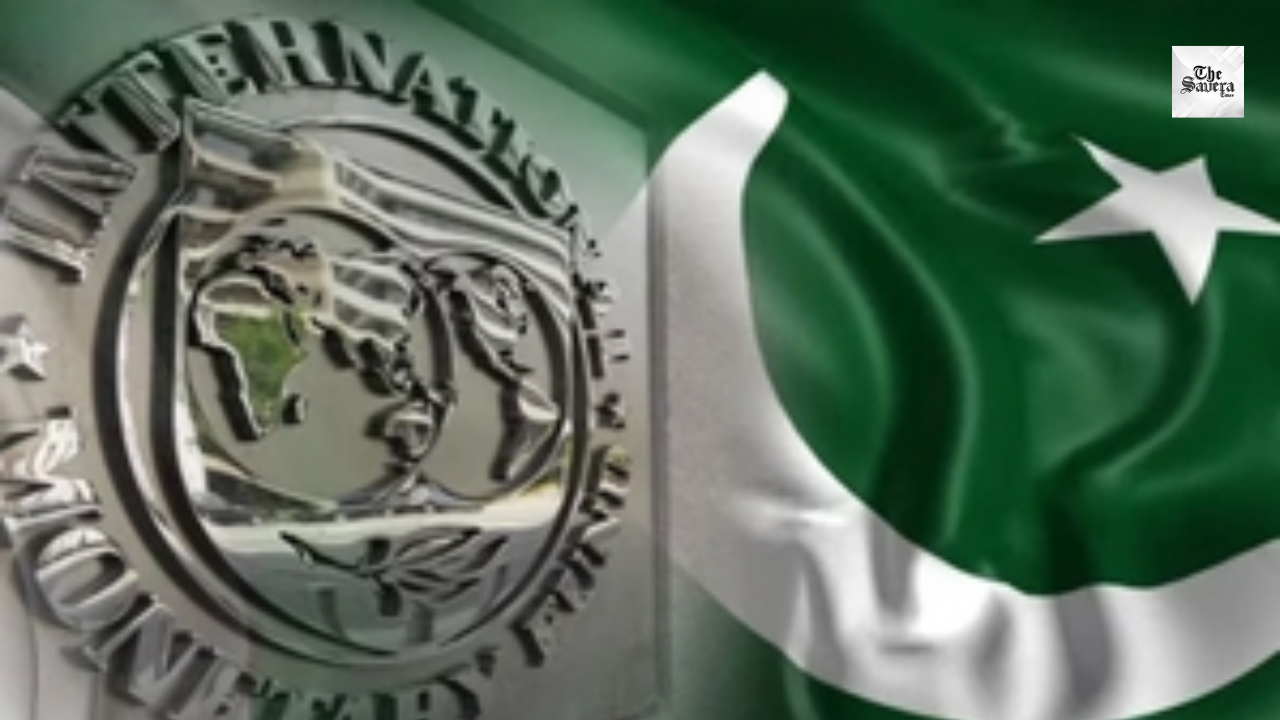
Despite receiving financial assistance from the International Monetary Fund (IMF), Pakistan continues to struggle to achieve sustained economic growth. A recent report suggests that IMF-backed programmes have helped stabilise the country’s economy to some extent but have not succeeded in putting it on a strong growth trajectory.
While the funding has provided short-term relief by addressing balance-of-payments issues and stabilising foreign exchange reserves, long-term structural challenges continue to hinder economic progress.
Economic experts note that IMF programmes are primarily designed to stabilise economies facing crises rather than drive growth directly. In Pakistan’s case, measures such as fiscal tightening, subsidy cuts, and higher interest rates have helped control macroeconomic imbalances but have also slowed economic activity.
The country has witnessed modest growth rates, with industrial output and investment remaining subdued. Analysts argue that without deep structural reforms, IMF assistance alone cannot ensure sustainable development.
One of the key challenges facing Pakistan is persistently high inflation, which has eroded purchasing power and impacted consumer demand. At the same time, the country’s rising debt burden continues to strain public finances.
IMF-mandated reforms, including tax increases and reduction in subsidies, have added to the financial pressure on citizens and businesses. Although these steps are aimed at improving fiscal discipline, they have also contributed to economic slowdown in the short term.
Experts highlight that Pakistan’s economic difficulties are rooted in structural problems such as a narrow tax base, low exports, energy sector inefficiencies, and political instability. These issues limit the country’s ability to fully benefit from external financial support.
The IMF has repeatedly emphasised the need for reforms in governance, taxation, and public sector enterprises. However, implementation has often been slow or inconsistent, reducing the effectiveness of the programmes.
Economists believe that for Pakistan to achieve sustainable growth, it must go beyond IMF-led stabilisation measures and focus on comprehensive reforms. This includes boosting exports, encouraging private investment, improving energy infrastructure, and strengthening institutional capacity.
Diversifying the economy and enhancing productivity are also seen as critical steps toward long-term stability and growth.
The report indicates that while IMF funding has prevented a deeper economic crisis, it has not been sufficient to set Pakistan on a high-growth path. The country’s economic outlook remains uncertain, influenced by both domestic challenges and global economic conditions.
Moving forward, the success of Pakistan’s economic recovery will depend on its ability to implement structural reforms and maintain policy consistency alongside external financial support.
Nairobi: Kenya’s Ministry of Health on Saturday confirmed four new cases of Ebola Bundibugyo virus disease, bringing the...

Increasing Houthi attacks on Saudi Arabia are testing Pakistan’s ability to defend Riyadh without affecting its ties with...
Nepal is seeking substantial financial assistance from India ahead of Prime Minister Balendra Shah’s proposed visit to New...
The race to succeed Antonio Guterres remains uncertain after three leading candidates faced opposition from two permanent members...
Democratic lawmakers have criticised Donald Trump for waiving key sanctions and tariff provisions under the Graham Act, citing...

Shipping Minister Sarbananda Sonowal confirmed that all 24 Indian seafarers aboard two vessels struck in separate incidents in...

Aries: The day will be auspicious...