Last Updated: October 21, 2026
Last Updated: October 21, 2026





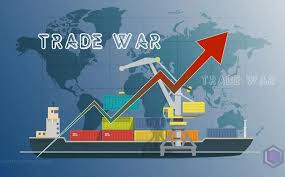
Amidst the fierce conflict raging in West Asia—involving the US, Israel, and Iran—reports regarding ceasefires and peace talks in Islamabad suggest that these efforts have hit a roadblock.
This climate of uncertainty is impacting the majority of nations across the globe. Due to disruptions in supply chains, industries, businesses, and international trade in the affected countries have suffered a severe blow. As raw materials are not available in sufficient quantities for many sectors, factories and manufacturing units have been compelled to scale back their production.
Employee shifts have been curtailed. In several states across the country, migrant workers are being forced to return to their home states due to a scarcity of work opportunities.Until business activity regains its previous momentum, job insecurity will persist for employees. Production is being hampered by raw material shortages and stalled logistics, both stemming from disrupted supply chains.
The plastics, glass, and steel industries have borne the brunt of these adverse effects. In most countries—including India—rising prices of petroleum products have not only made dining out at hotels and restaurants more expensive but have also driven up travel costs due to increased airline fares. The operational costs for the country’s paint, tire, and rubber industries have surged; consequently, these goods, too, will not remain immune to the effects of inflation. Meanwhile, volatility in the stock markets remains a persistent reality.
Whenever people, seeking safe investment avenues, consider investing in gold, the markets witness a wave of sell-offs and a subsequent downturn. The repercussions of the slowdown in international trade are visible across the affected nations—from their major metropolitan centers right down to their villages. A shortage of urea fertilizer has etched lines of worry onto the foreheads of farmers.
Good Evening Viewers! Catch up on the day's biggest stories with The Savera Times Evening Bulletin. Get the...

Congress leaders continued their protest outside the Jaipur Police Commissionerate on Tuesday, demanding the registration of a zero...
On the auspicious occasion of Vijayadashami, Prime Minister Narendra Modi on Tuesday called on the countrymen to unite...
A historic milestone was achieved on Tuesday in the expansion of Chhattisgarh's rail networkA historic milestone was achieved...

Model Shraddha Dubey, one of the main accused in the death of Lucknow businessman Shiv Sharma, has been...
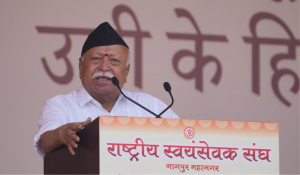
Rashtriya Swayamsevak Sangh (RSS) chief Mohan Bhagwat on Tuesday called for strengthening national unity, social harmony, indigenous practices...
Aries: The day will be auspicious...