Last Updated: October 23, 2026
Last Updated: October 23, 2026





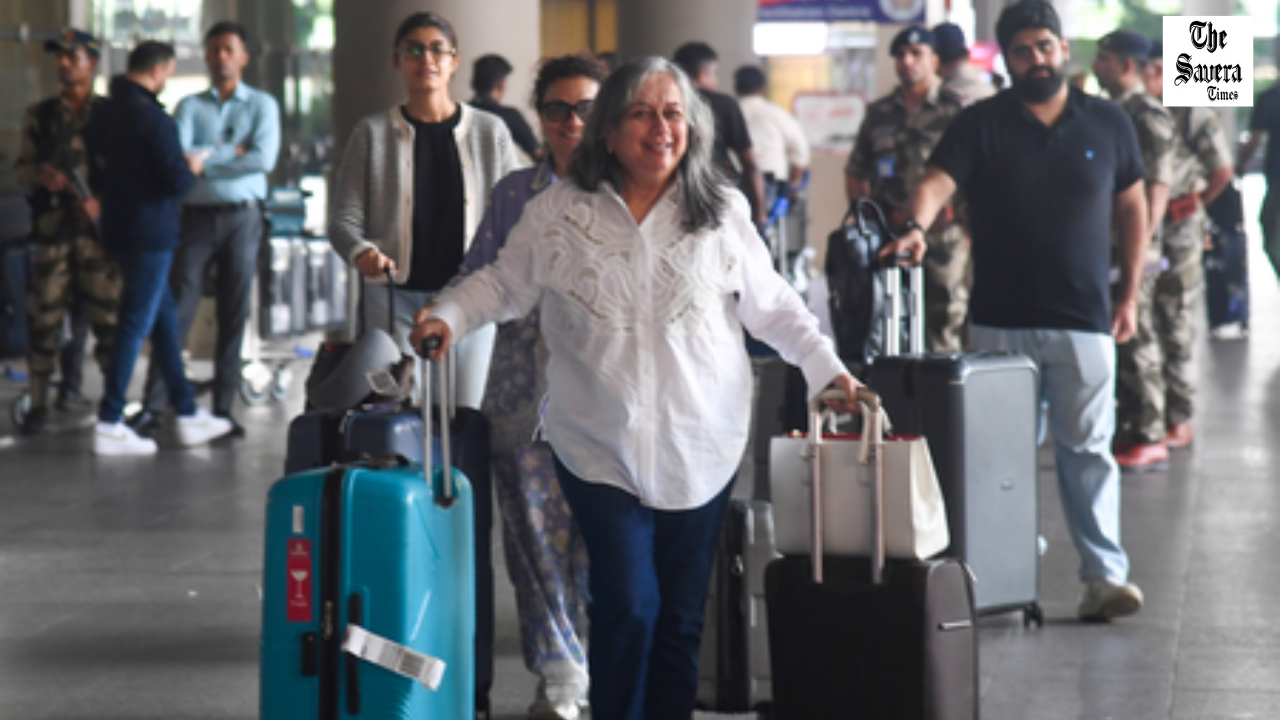
As tensions in the Middle East persist and several countries continue to close or restrict commercial airspace, the Government of India has announced a major effort to operate 58 flights on March 4, 2026, from Gulf cities to India, aiming to bring back stranded Indian passengers and ease travel disruptions.
The ongoing situation triggered by escalating conflict in the region involving Israel, Iran, and allied forces has led to extensive flight cancellations, reroutings, and disruptions across global air routes linked through Gulf airspace.
Due to rising military tensions and security concerns, several Middle Eastern countries have shut down or heavily restricted their airspace to civilian flights. This has directly impacted commercial aviation corridors connecting India with the Gulf, Europe, Africa and beyond.
As a result:
Airways have been rerouted to avoid restricted zones.
Hundreds of flights have been cancelled or diverted.
Thousands of passengers remain grounded or stuck abroad.
The Ministry of Civil Aviation (MoCA) has been monitoring the situation closely, coordinating with airlines, foreign aviation authorities and Indian missions abroad to facilitate safe travel and repatriation where possible.
On March 4, 2026, Indian carriers including IndiGo, Air India, Air India Express, Akasa Air and SpiceJet plan to operate 58 flights from various Gulf hubs such as Dubai, Abu Dhabi, Doha and other cities. These include both repatriation flights and flights for stranded expatriates.
Highlights of this plan:
30 flights will be operated by IndiGo.
23 flights will be managed by Air India group airlines (Air India and Air India Express).
Several other carriers are expected to operate limited services on specific routes.
These operations are being coordinated with local aviation regulators and foreign missions to ensure passengers can return to key Indian cities such as Delhi, Mumbai, Bengaluru, Kochi, Ahmedabad and Thiruvananthapuram.
The prolonged airspace closure has led to:
Over 1,600 Indian and foreign carrier flights cancelled so far.
Stranded passengers, including workers and tourists from India, awaiting new flight options.
State officials, such as Punjab’s NRI Affairs Minister, engaging with Union ministers to secure more evacuation flights and assist Indians stranded abroad.
In addition to the scheduled 58 flights, airlines like SpiceJet have announced eight repatriation flights specifically from the UAE on March 4 to bring back Indian nationals affected by the disruption.
The Middle East airspace situation has triggered wider knock-on effects for global aviation:
Major hubs like Dubai International Airport and others have seen operational challenges, with some flights returning mid-air or being diverted.
Thousands of international flights have been cancelled across global networks due to the disruption.
Airlines worldwide are recalibrating schedules and seeking alternative routing plans to minimize delay and cancellations.
Airlines and aviation authorities continue to issue real-time advisories to passengers, urging them to check flight statuses closely before travelling to airports.
MoCA, airline operators, and international partners are monitoring the situation closely. Further flights may be announced or rescheduled as airspace conditions evolve, with passenger safety and orderly evacuation efforts the top priority.
Bengaluru Police have detained three men accused of killing a stray dog near Greenwood High School in Gunjur...

Cockroach Janta Party leaders Saurav Das and Ashutosh Ranka appeared before the Delhi Police Crime Branch on Friday...

Delhi Police has transferred 25 IPS and DANIPS officers, assigning new roles across the Crime Branch, Special Cell,...
A Delhi court has allowed US national Matthew Aaron VanDyke and six Ukrainian nationals accused in the Myanmar...

Indian para shooter Mona Agarwal won her second gold medal at the Aichi-Nagoya 2026 Asian Para Games on...

Leh: The Civil Society Forum of Ladakh has accused activist Sonam Wangchuk of hijacking the original agenda of...

Aries: The day will be auspicious...