Last Updated: October 27, 2026
Last Updated: October 27, 2026





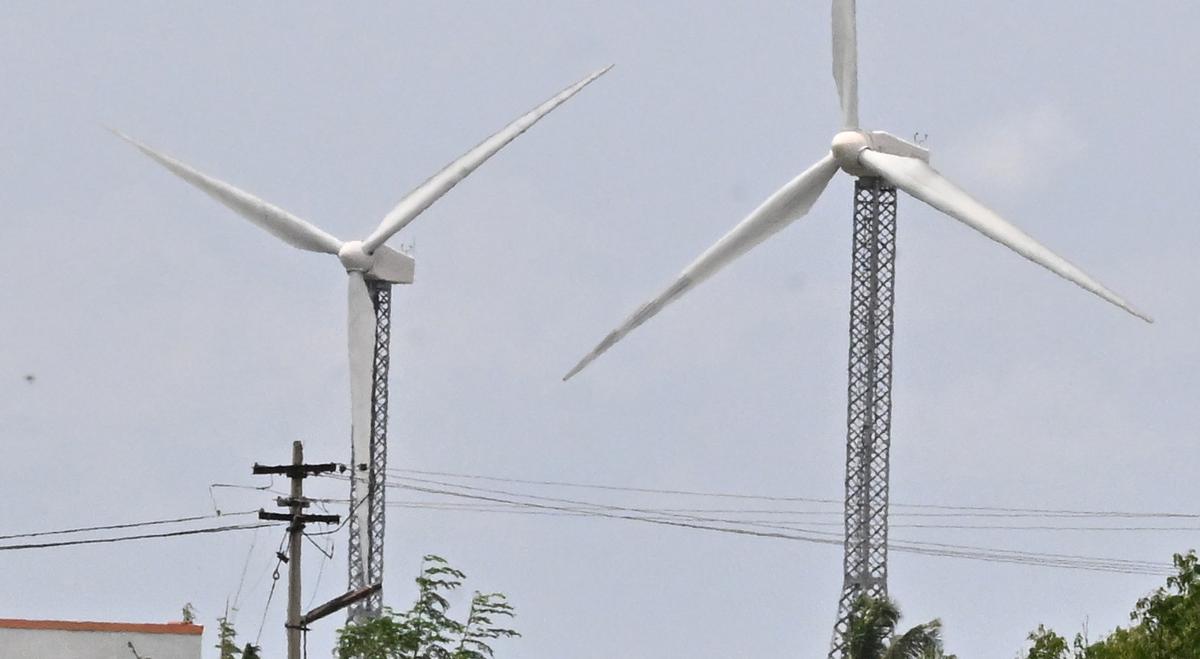
India achieved a significant milestone as clean energy sources accounted for more than half of the country’s electricity generation during a period of peak daytime demand, highlighting the growing role of renewable power in the national grid.
According to data from the Power Ministry’s Merit Order Despatch of Electricity for Rejuvenation of Income and Transparency (MERIT) platform, clean energy sources — including renewable energy, hydropower and nuclear power — supplied 50.02 per cent of India’s total electricity demand of 221.5 GW at 11:46 a.m. on July 6.
The achievement marks the second consecutive year that clean energy has met more than 50 per cent of the country’s electricity demand at a given point in time, reflecting the rapid expansion of non-fossil fuel generation capacity.
Experts said the trend has become increasingly consistent in recent months. Disha Aggarwal, Fellow at the Council on Energy, Environment and Water (CEEW), said clean energy has met more than 45 per cent of India’s total electricity demand on 50 days since May this year.
Power demand has moderated in recent weeks as widespread rainfall brought relief from extreme summer temperatures. Data from the state-run Grid Controller of India showed that peak power demand eased to 222.5 GW on July 6 before rising to 230 GW on July 7.
The demand remains well below the all-time high of 270.8 GW recorded in May this year during an intense heatwave. In 2025, India’s peak electricity demand had reached 243 GW in June, slightly lower than the previous year’s record of 250 GW in May.
The government has projected peak power demand to touch 271 GW in 2026.
India’s installed power generation capacity stood at 542.3 GW as of May 31. Of this, thermal power accounts for 250.8 GW, while renewable energy capacity has reached 282.7 GW, underscoring the country’s expanding clean energy portfolio in alignment with its climate and energy security goals.
Theni: Seventeen prisoners escaped from the Thekkampatti district jail near Andipatti in Tamil Nadu’s Theni district after allegedly...

Mumbai: The Mumbai Crime Branch has established the alleged motive behind the firing incident involving Bollywood actor Tiger...

Washington: The United States and Pacific Island nations have agreed to intensify cooperation against international drug cartels, online...
World Bank President of Indian origin Ajay Banga has warned about the problem of unemployment arising in the...
Smartness is the key to getting ahead in life. Whether it is the mastery of job skills or...
A city’s growth is visible not only in its buildings and roads, but also in how it responds...