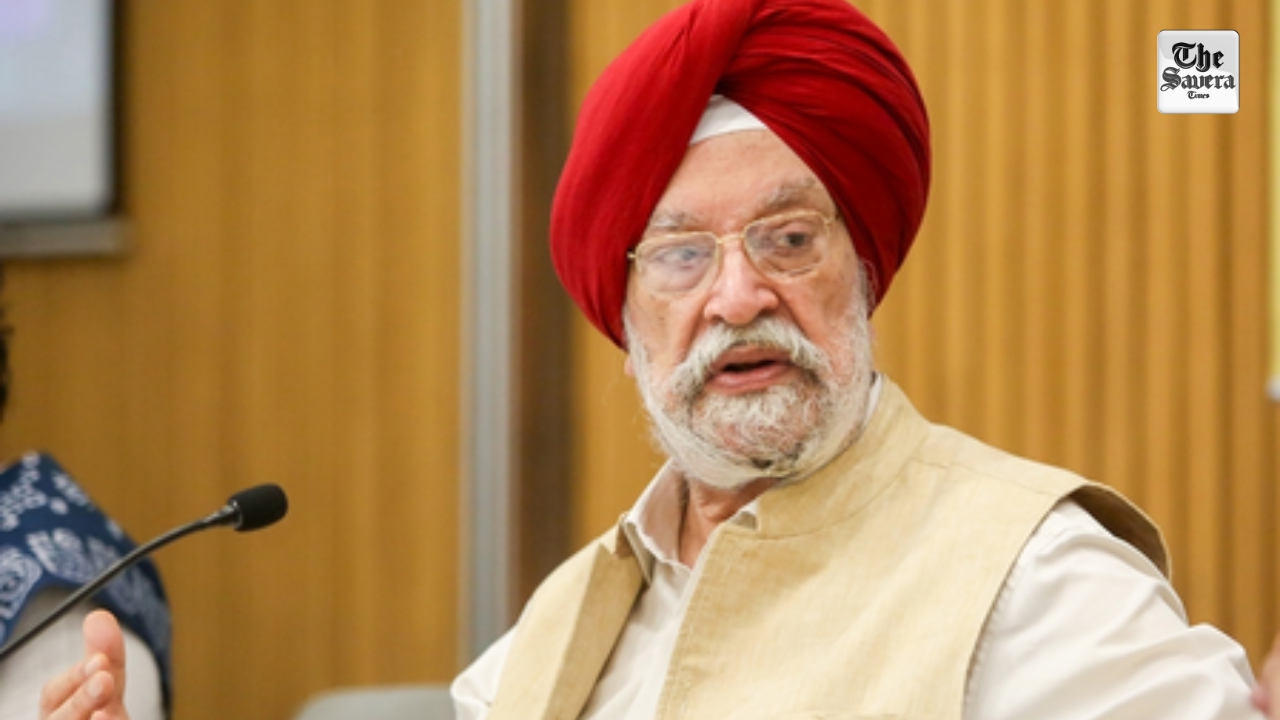
New Delhi: Minister of Petroleum and Natural Gas Hardeep Singh Puri on Saturday said that India, with its 23 world-class refineries and a total capacity of 258.2 MMTPA (million metric tonnes per annum), now stands among the top five refining nations in the world.
India’s Refining Growth and Global Standing
“India’s oil refining story is a story of growth, innovation and self-sufficiency. From meeting domestic demand to fuelling global markets — the journey has been remarkable,” the Minister said in a post on X.
He highlighted that in 2024-25, the country’s petroleum product exports reached 64.7 million tonnes, up from 55.5 million tonnes in 2014-15.
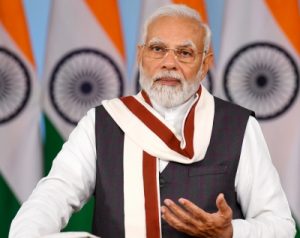
“Every refinery today produces BS-VI fuels, which are among the cleanest in the world, and with new petrochemical hubs in Rajasthan and Odisha, India is redefining the future of energy under PM Narendra Modi’s leadership,” he added.
Expanding Capacity and Future Targets
Puri said India is on track to reach around 310 MMTPA by 2030, with long-term plans to scale further to 400–450 MMTPA, positioning itself as a global refining and energy hub.
He noted that this expansion comes at a time when nearly 20 per cent of global refining capacity may face closure by 2035, with over 100 refineries expected to shut down worldwide.
India’s Role in Global Energy Demand
While the global energy market is growing slowly, India remains a “bright spot,” projected to contribute 30–33 per cent of global energy demand growth in the coming decades, Puri said.
He added that India’s refineries are world-class, globally integrated, and export-ready, exporting petroleum products worth over $45 billion in FY 2024-25 to more than 50 countries.
The minister emphasized innovation and indigenization in India’s energy ecosystem, noting that the country has achieved nearly 80 per cent import substitution across the energy value chain.
Balancing Fuel Growth and Sustainability
Puri underscored that India’s energy strategy includes both fuel and petrochemical growth as part of a calibrated transition toward sustainability.
He said that while the share of traditional fuels will gradually decline, they will continue to play a crucial role as India moves toward its 2047 development and sustainability goals.