Last Updated: October 21, 2026
Last Updated: October 21, 2026





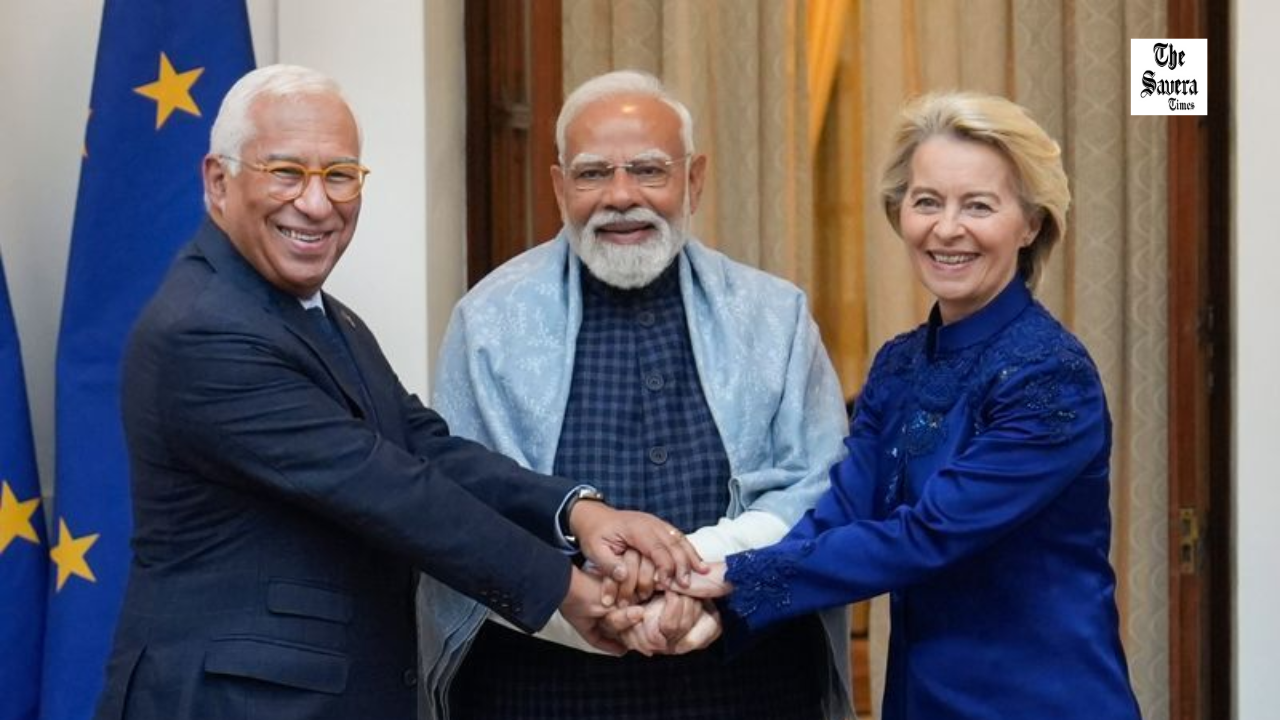
India and the European Union (EU) recently concluded a long‑awaited free trade agreement (FTA) that aims to deepen economic and strategic ties between New Delhi and the 27‑nation bloc. While the pact is being hailed as a major achievement for both sides amid global economic uncertainty, experts say its long‑term success will depend on mutual flexibility and pragmatic execution in resolving trade and regulatory challenges.
The agreement was signed shortly after India’s 77th Republic Day, symbolizing a strengthening of diplomatic and economic engagement. It comes as both India and the EU seek to diversify economic partnerships and reduce dependence on traditional markets.
Despite the optimism surrounding the deal, analysts emphasize that sustained cooperation and flexibility from both sides will be key to turning the agreement into tangible economic results. This means reducing red tape, improving regulatory alignment, and addressing non‑tariff barriers that could otherwise limit the benefits of tariff reductions and market access.
Both Brussels and New Delhi recognize the value of a closer partnership but will need to compromise on domestic sensitivities and procedural hurdles from standards and certification to trade facilitation to ensure smoother implementation on the ground.
The deal arrives amid shifting global dynamics, including moves by major powers to reassess trade alliances and supply chains. The U.S. Department of Defense and national security strategies have pointed to changing geopolitical priorities, leaving Europe and Asia to navigate new economic realities. Against this backdrop, some analysts suggest that emerging middle powers such as India and members of the EU should work together to shape a more balanced international economic order.
India’s strategic autonomy its ability to engage globally without being constrained by any single partner will be critical as it negotiates terms that protect key sectors while pushing for market openness.
According to the Economic Survey 2025–26, India’s economy is projected to grow robustly, but experts argue that GDP growth alone will not ensure widespread well‑being without deeper structural reforms. Inclusive development and stronger trade implementation frameworks could help translate the trade pact into job creation, productivity gains, and export growth.
Observers say that beyond tariffs and trade liberalization, reforming domestic processes from business governance to rural enterprise engagement will help India make the most of its expanded access to European markets.
Protests in Jakarta, Yogyakarta and Bandung brought students onto the streets over rising costs, forest fires and civil...
Organisations linked to Neville Roy Singham are under US congressional scrutiny over funding. Their coverage of protests in...

Start your day with The Savera Morning Brief, bringing you the latest news from India and around the...

US President Donald Trump says Washington and New Delhi are close to a trade agreement that will differ...
Union Home Minister Amit Shah will pay tribute to police martyrs at the National Police Memorial in New...
Iran has ruled out transferring its enriched uranium stockpile outside the country, with security official Mohsen Rezaei reiterating...
Aries: The day will be auspicious...