Last Updated: October 3, 2026
Last Updated: October 3, 2026





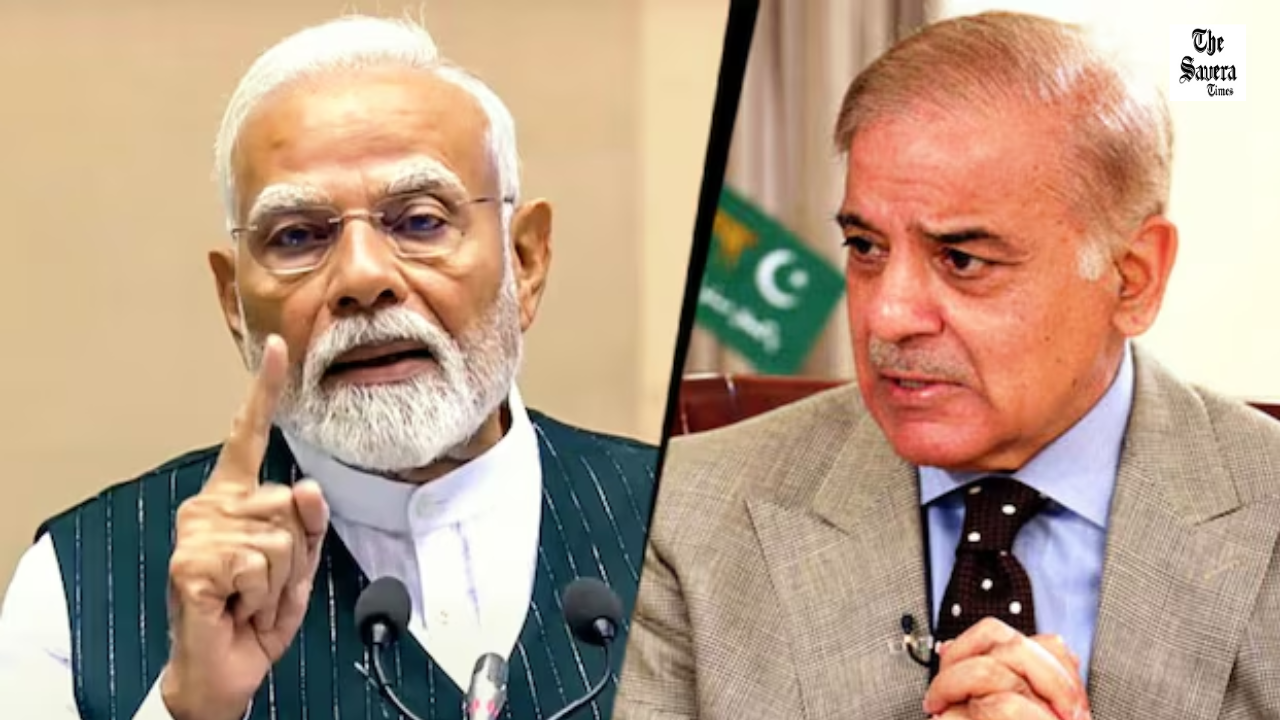
NEW DELHI/ISLAMABAD — The historic India‑European Union Free Trade Agreement (FTA), signed on January 27, 2026, is being hailed as a landmark success for India and the EU, but it has also triggered serious economic concern in Pakistan, where the pact is seen as a significant setback for the country’s export‑oriented industries. The deal’s tariff reductions and preferential market access for Indian goods are expected to reshape competitive dynamics in Europe’s large consumer market, and critics in Islamabad warn that Pakistan’s traditional advantages could erode.
Under the agreement, tariffs on the vast majority of goods traded between India and the European Union will be eliminated or sharply reduced over a phased period, covering most industrial and labor-intensive products. Indian exporters, particularly in the textile and apparel sectors, will gain near‑zero duty access to EU markets, a major improvement from the previous regime under which many Indian products faced tariffs of up to 12 per cent. At the same time, the pact slashes European tariffs on Indian exporters in categories ranging from textiles and apparel to gems, jewelry, leather goods and marine products, creating new export opportunities for the Indian industry.
For Pakistan, the deal poses a direct threat to its export competitiveness in Europe. Islamabad currently benefits from the Generalized Scheme of Preferences Plus (GSP+) status, which grants duty‑free access to a substantial share of Pakistani exports, especially textiles, into the EU. This special access has helped grow Pakistan’s textile shipments to Europe, historically worth billions of dollars annually. With India now securing immediate duty‑free access on virtually all textile and apparel tariff lines under the FTA, Pakistan’s relative advantage is expected to diminish sharply. Business groups in Pakistan’s textile industry have warned that this could put billions of dollars in exports and millions of jobs at risk, as Indian products may now compete on a more even footing with Pakistani goods in Europe.
Pakistan’s foreign ministry has said it is monitoring the situation and engaging with EU officials to assess potential impacts, but industry analysts in Islamabad argue that without structural improvements in competitiveness, Pakistan could see a long‑term loss of market share in the EU particularly in textiles, knitwear and value‑added garments where India’s supply chains and manufacturing scale are stronger. As exporters seek government support on energy costs, financing and export incentives, policymakers face pressure to respond to the new competitive landscape shaped by the India‑EU pact.
The trade agreement not only expands market opportunities but also signals a shift in global trade alignments, boosting India’s integration with Western economies while offering European firms’ preferential access to one of the world’s fastest‑growing markets. The scale of the deal covering nearly two billion people across the EU and India makes it one of the most consequential trade agreements of recent decades. However, for Pakistan and other competitors like Bangladesh under similar preference regimes, the pact introduces fresh urgency to enhance competitiveness, diversify export markets and upgrade domestic industries to cope with intensified competition.
New Delhi: Prime Minister Narendra Modi on Saturday extended birthday greetings to Union Culture and Tourism Minister, Gajendra...
Washington: US President Donald Trump warned South Korea that it could face a higher price if it does...
Washington: A Hindu temple in Ohio’s Greater Cleveland area was attacked with bricks that shattered windows while priests...
Mumbai: Bollywood actress Kriti Sanon and her younger sister Nupur Sanon shared a glimpse of their functioning side...

Washington: The United States has listed 50 countries whose nationals are subject to visa bonds of up to...
Washington: US President Donald Trump ruled out a ban on American diesel exports after European countries agreed to...
Aries: The day will be auspicious...